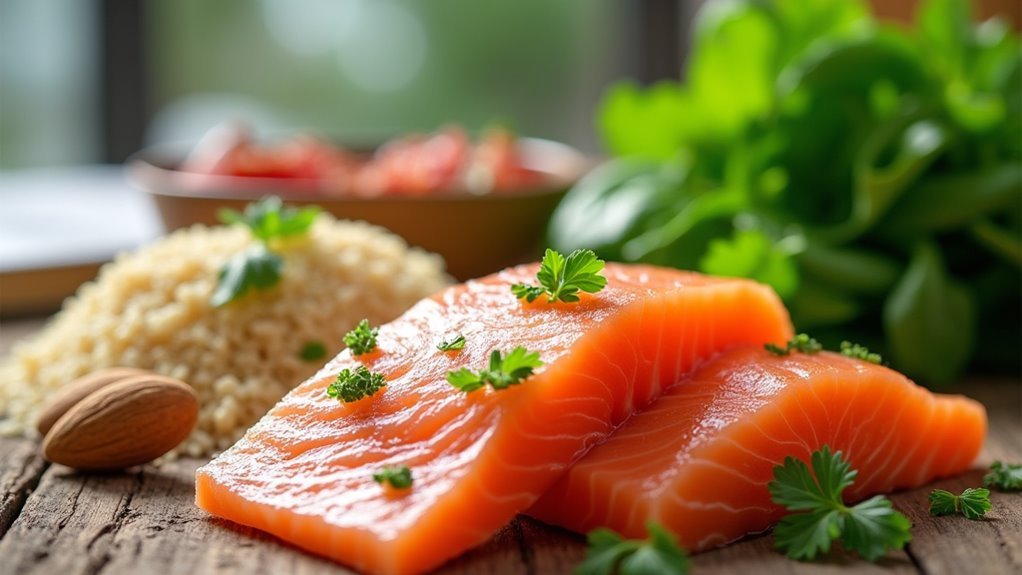
You’ll boost blood cell regeneration by focusing on three key protein strategies. First, prioritize essential amino acids like lysine, histidine, and methionine that directly support hemoglobin synthesis and stem cell development in your bone marrow. Second, time your protein intake every 3-4 hours and pair it with vitamin C-rich foods to enhance iron absorption. Third, choose high-quality sources like lean meats, Greek yogurt, and eggs that provide complete amino acid profiles. These targeted approaches will optimize your body’s natural hematopoietic processes for faster recovery.
Essential Amino Acids That Support Hematopoiesis
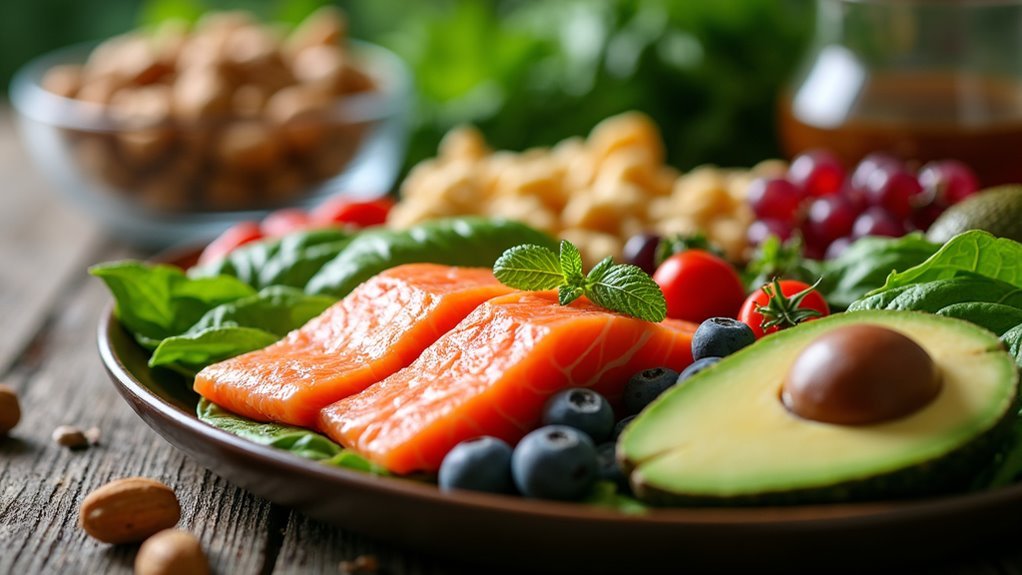
Several essential amino acids directly fuel your body’s blood cell production machinery. Lysine stands out as a powerhouse for hemoglobin synthesis, ensuring your red blood cells can effectively transport oxygen throughout your system.
You’ll also need histidine, which produces histamine to regulate blood flow and strengthen immune responses that keep your blood cells healthy. Methionine works behind the scenes, creating the proteins and enzymes your hematopoietic stem cells require for proper multiplication and development.
These essential amino acids work together to optimize hematopoiesis, the complex process of blood cell formation in your bone marrow.
Optimal Protein Timing for Blood Cell Production
Knowing which amino acids fuel blood cell production is only half the equation—when you consume protein matters just as much for maximizing hematopoietic benefits.
Strategic protein timing amplifies your body’s blood cell production potential beyond simply choosing the right amino acids.
You’ll optimize red blood cells synthesis by timing protein intake around physical activity, when your body’s recovery processes peak. Consume high-quality protein sources like lean meats, fish, eggs, and legumes within your post-workout meals to enhance amino acid availability.
Space your protein intake every 3-4 hours throughout the day to consistently support ongoing blood cell regeneration.
Your immune system benefits when you pair protein with vitamin C-rich foods such as citrus fruits or bell peppers, which dramatically improve iron absorption—a critical component for healthy red blood cell production and overall hematopoietic function.
High-Quality Protein Sources for Anemia Recovery
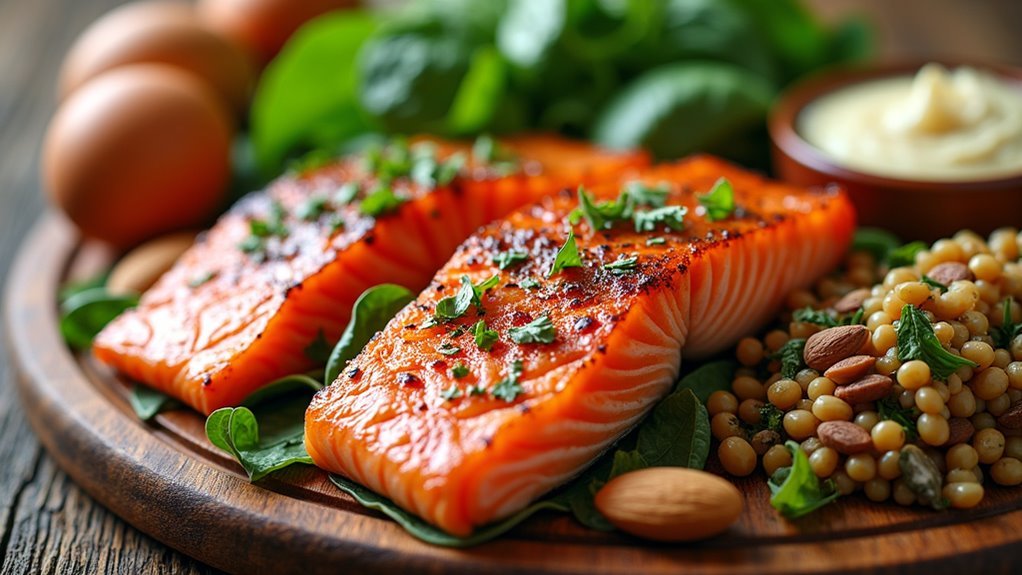
Anemia recovery demands strategic food choices that deliver both high-quality protein and essential nutrients your body needs to rebuild healthy red blood cells. You’ll find lean meats, poultry, and fish pack powerful protein punches—with lean sirloin steak delivering 26 grams per 3-ounce serving. Dairy products like Greek yogurt provide 20 grams of protein alongside crucial vitamin B complexes that support red blood cell formation.
| Protein Source | Protein Content | Recovery Benefits |
|---|---|---|
| Lean Sirloin | 26g per 3 oz | Amino acids for cell regeneration |
| Greek Yogurt | 20g per 7 oz | Tissue repair + vitamin B |
| Eggs | 6g each | Essential B vitamins for RBC health |
Plant-based options like lentils and quinoa offer dual benefits—quality protein plus iron for hemoglobin production, accelerating your anemia recovery journey.
Frequently Asked Questions
Does Protein Help With Cell Regeneration?
Yes, protein helps with cell regeneration. You’ll need adequate protein intake because it provides essential amino acids your body uses to build new cells, repair damaged tissues, and support overall cellular growth and recovery processes.
What Helps Regenerate Blood Cells?
You’ll boost blood cell regeneration by eating iron-rich foods, lean proteins, vitamin B12 sources, and folate. Don’t forget vitamin C enhances iron absorption, and staying hydrated supports ideal blood production.
How to Replenish Protein in Blood?
You’ll replenish blood protein by eating high-quality sources like fish, poultry, eggs, and lean meats. Include plant-based options such as lentils, beans, and nuts for complete amino acids supporting regeneration.
What Protein Helps Red Blood Cells?
You’ll benefit from consuming lean meats, poultry, fish, legumes, nuts, and seeds. These proteins support hemoglobin production and red blood cell formation, especially when you’re combining them with iron-rich foods for better absorption.


