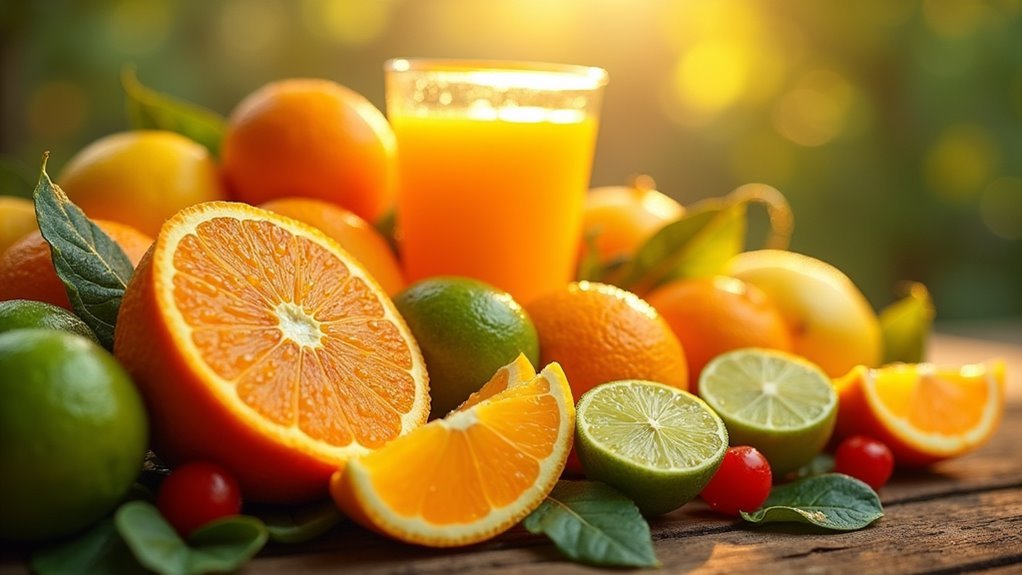
Vitamin C greatly enhances your body’s iron absorption by converting unusable ferric iron into absorbable ferrous iron, increasing absorption rates by up to 67%. This process is especially essential for plant-based iron sources, which typically have lower absorption rates of 2-20% compared to animal sources. You’ll benefit most from combining iron-rich foods with vitamin C sources like citrus fruits or bell peppers. Studies show ideal results with 200mg daily supplementation, improving hemoglobin levels while supporting overall blood health through strategic nutritional pairing.
The Science Behind Vitamin C and Iron Absorption
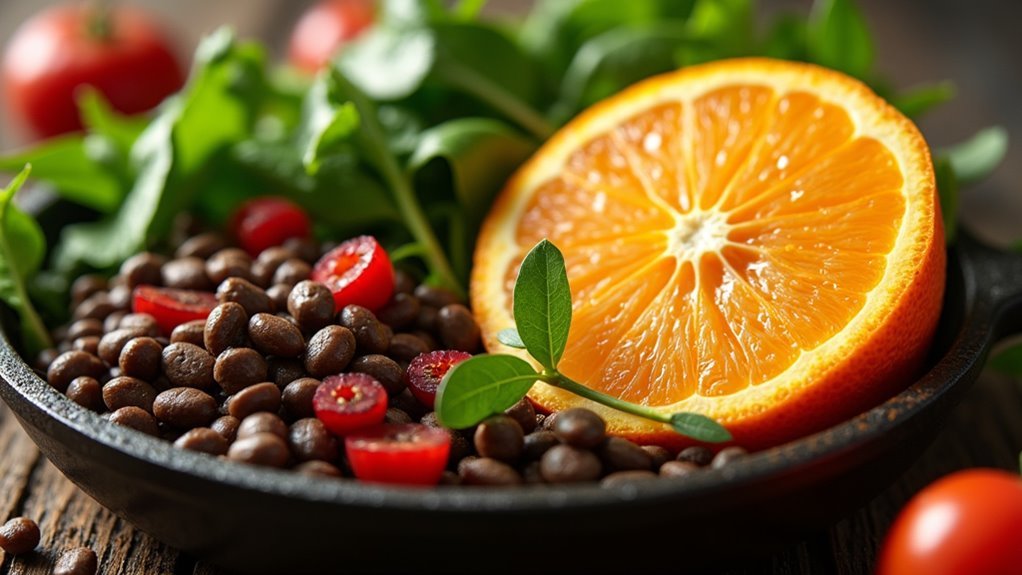
Though iron is abundant in many foods, your body can’t absorb it efficiently—especially the non-heme iron found in plants. That’s where vitamin C becomes your powerful ally. When you consume vitamin C alongside iron-rich foods, it transforms ferric iron (Fe³⁺) into ferrous iron (Fe²⁺), which your intestines can absorb much more easily.
This simple chemical reduction can boost your iron absorption by up to 67%.
Vitamin C doesn’t stop there—it acts as an iron chelator, forming protective complexes that keep iron soluble in your gut. Research shows it works with your body’s natural duodenal ferric reductase enzyme to maximize absorption.
Heme Vs Non-Heme Iron: Understanding the Difference
Your body processes two distinct types of dietary iron in completely different ways.
Heme iron, found in red meat, poultry, and fish, offers superior absorption rates of 15-35%. Your digestive system readily accepts this form without requiring additional nutrients for processing.
Nonheme iron from plant sources like beans, lentils, and leafy greens presents a different challenge. You’ll only absorb 2-20% of this iron type naturally.
However, vitamin C transforms this situation dramatically by converting ferric iron to its more absorbable ferrous form.
When you pair nonheme iron foods with vitamin C sources, iron absorption increases up to six times. This biochemical partnership proves essential if you’re following vegetarian or vegan diets, helping you maximize iron intake from plant-based sources.
How Vitamin C Converts Iron Into Absorbable Forms
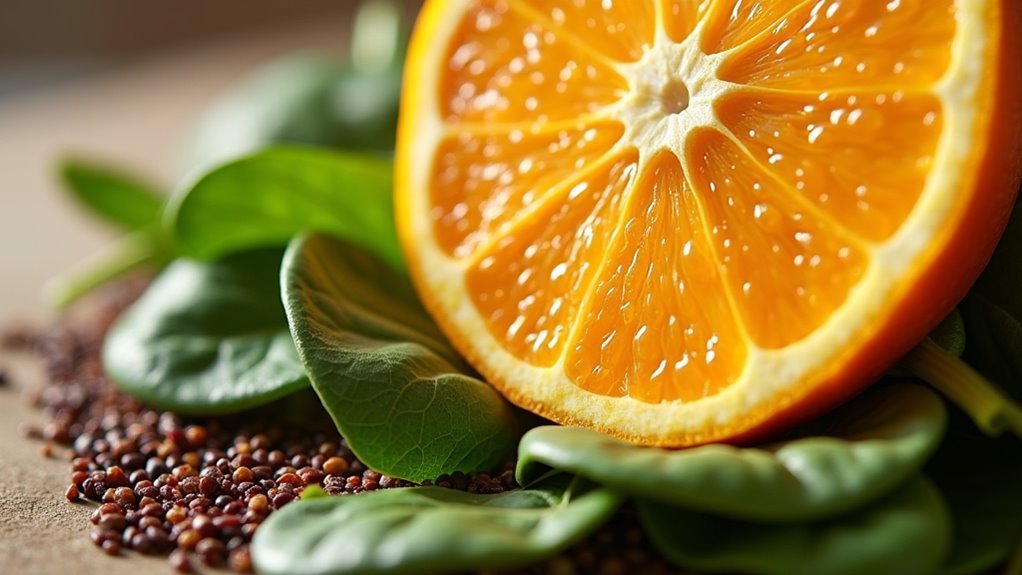
When vitamin C encounters iron in your digestive system, it acts as a powerful reducing agent that transforms ferric iron (Fe³⁺) into ferrous iron (Fe²⁺). This conversion is vital because ferrous iron represents the only form your intestines can efficiently absorb.
Without adequate vitamin C, much of the iron from plant sources remains in its oxidized, unusable state.
Vitamin C doesn’t stop at conversion—it also chelates the newly formed ferrous iron, keeping it soluble and preventing it from oxidizing back. This chelation process maintains iron’s bioavailability as it moves through your digestive tract.
Clinical Evidence From Iron Deficiency Anemia Studies
You’ll find that randomized clinical trials provide the strongest evidence for whether vitamin C actually enhances iron absorption in real-world scenarios.
These studies directly compare iron supplements taken alone versus iron combined with vitamin C, measuring specific outcomes like hemoglobin levels and ferritin changes over time.
The safety profiles of these supplement combinations are also carefully tracked to guarantee you’re getting accurate data on both effectiveness and potential side effects.
Randomized Trial Results
While laboratory studies demonstrate vitamin C’s ability to enhance iron absorption, clinical trials examining real-world outcomes in iron deficiency anemia (IDA) patients reveal more modest results.
A major randomized trial with 440 adults compared iron supplements with vitamin C against iron alone over three months. You’ll find the hemoglobin improvements were nearly identical between groups—2.00 g/dL versus 1.84 g/dL after two weeks.
The change in serum ferritin levels showed minimal difference: 35.75 ng/mL with vitamin C in patients versus 34.48 ng/mL without. Adverse events remained comparable at around 20% for both treatments.
A systematic review confirmed these findings, showing only 0.14 g/dL additional hemoglobin increase with vitamin C supplementation—clinically insignificant for treating IDA.
Supplement Combination Effectiveness
Despite laboratory evidence supporting vitamin C’s iron-enhancing properties, clinical trials examining supplement combinations reveal limited therapeutic advantages for treating iron deficiency anemia.
When you combine vitamin C with iron supplementation, you’ll see only modest improvements in hemoglobin levels—a meta-analysis of 1,930 patients showed just 0.14 g/dL mean difference compared to iron alone. While this difference reaches statistical significance, it doesn’t translate to meaningful clinical benefits for your iron deficiency anemia treatment.
You shouldn’t expect dramatic changes from adding vitamin C to your iron regimen. The 440-adult randomized trial demonstrated slightly higher hemoglobin increases with the combination, but these differences weren’t sustained long-term.
Iron supplementation alone provides adequate therapeutic effects, making routine vitamin C addition unnecessary for most patients with iron deficiency anemia.
Safety Profile Comparison
Beyond effectiveness concerns, you might wonder whether adding vitamin C to your iron supplements creates additional safety risks. Clinical trials involving 440 participants with iron deficiency anemia show that oral iron supplements maintain comparable safety profiles whether taken with or without vitamin C.
| Safety Metric | Iron + Vitamin C | Iron Only |
|---|---|---|
| Total adverse events | 20.9% | 20.5% |
| Stomach issues | 13.6% | 13.2% |
| Study withdrawals | 0% | 0% |
| Other side effects | Similar rates | Similar rates |
The data reveals no significant increase in adverse events when combining vitamin C with iron. Common side effects like stomach upset, nausea, and constipation occurred at nearly identical rates between groups, indicating excellent tolerance for both approaches.
Best Food Combinations for Maximum Iron Uptake
Since your body absorbs non-heme iron from plant sources less efficiently than heme iron from meat, strategic food pairings can dramatically boost your iron uptake.
You’ll maximize iron absorption by combining iron-rich foods like spinach, lentils, and beans with vitamin C sources such as citrus fruits, bell peppers, and strawberries. The vitamin C converts Fe³⁺ to the more absorbable Fe²⁺ form, greatly enhancing bioavailability.
Try adding lemon juice to your spinach salad or pairing iron-fortified cereals with sliced kiwi. You can also combine oatmeal with strawberries or enjoy a breakfast burrito with cantaloupe.
These combinations create synergistic effects that substantially improve your body’s ability to absorb non-heme iron from plant-based sources.
Special Considerations for Vegetarians and Vegans
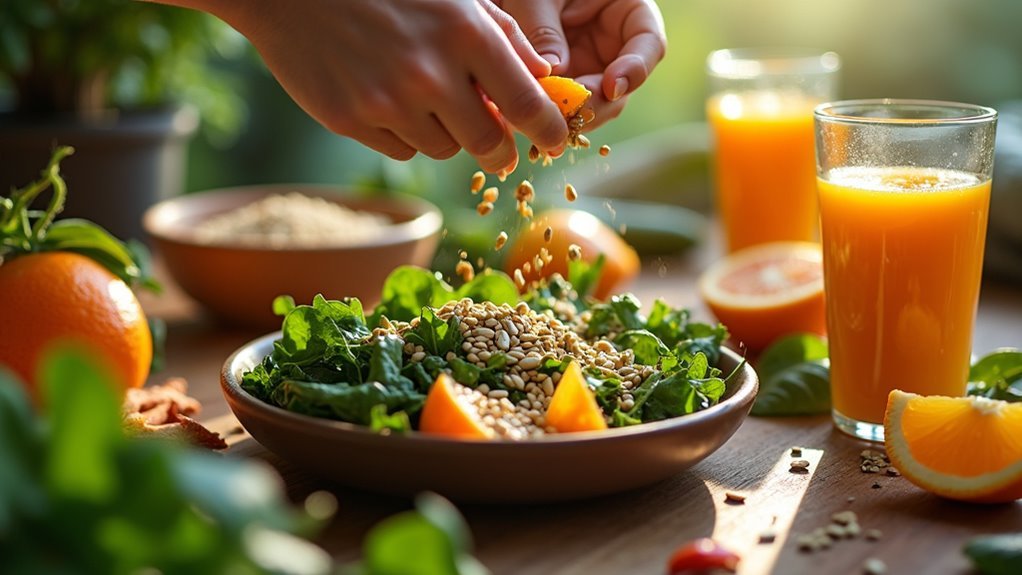
If you’re following a vegetarian or vegan diet, you’ll need to pay extra attention to iron absorption since you’re relying entirely on non-heme iron from plant sources.
You can notably boost your body’s ability to absorb this less efficient form of iron by strategically pairing your meals with vitamin C-rich foods.
This approach becomes essential for preventing iron deficiency anemia, especially since plant-based eaters face higher risks due to the reduced bioavailability of iron in their food choices.
Plant-Based Iron Sources
For vegetarians and vegans, understanding iron absorption becomes particularly essential since plant-based diets rely exclusively on non-heme iron, which your body absorbs less efficiently than the heme iron found in meat.
You’ll need to be strategic about your iron intake to meet daily requirements.
The best plant-based iron sources for your vegetarian diet include:
- Legumes like lentils, chickpeas, and black beans
- Dark leafy greens such as spinach, kale, and Swiss chard
- Iron-fortified cereals and breads
- Nuts and seeds, particularly pumpkin seeds and cashews
- Tofu and tempeh
Since you need 1.8 times more iron than meat-eaters, pairing these foods with vitamin C sources like citrus fruits or bell peppers maximizes absorption and helps prevent deficiency symptoms.
Enhanced Absorption Strategies
Beyond selecting the right iron-rich foods, you can greatly boost your body’s iron absorption through strategic meal planning and timing. Since vegetarians need up to 1.8 times more iron than meat-eaters, you’ll want to pair non-heme iron sources with Vitamin C-rich foods at every meal. This combination can prevent deficiency anemia by considerably improving iron bioavailability.
| Iron-Rich Food | Vitamin C Partner | Absorption Boost |
|---|---|---|
| Spinach | Orange slices | 3-4x increase |
| Lentils | Bell peppers | 2-3x increase |
| Quinoa | Strawberries | 2x increase |
| Tofu | Broccoli | 3x increase |
| Chickpeas | Tomatoes | 2-3x increase |
Research shows Vitamin C supplementation increases hemoglobin levels by 0.14 g/dL, making strategic pairing essential for peak absorption.
Anemia Prevention Methods
While meat-eaters naturally consume heme iron that’s readily absorbed, vegetarians and vegans must take a more strategic approach to prevent iron deficiency anemia.
You’ll need to focus on maximizing non-heme iron absorption through strategic dietary combinations that include vitamin C-rich foods.
Key anemia prevention strategies include:
- Pairing iron-rich legumes, tofu, and dark leafy greens with citrus fruits, bell peppers, or strawberries
- Meeting daily iron targets of 18mg for women and 8mg for men through diverse plant sources
- Timing vitamin C consumption with iron-rich meals to enhance iron absorption
- Including fortified cereals and dried fruits in your regular meal planning
- Monitoring iron levels regularly through blood tests
These targeted dietary combinations guarantee you’re optimizing iron absorption while maintaining your plant-based lifestyle effectively.
Optimal Dosing and Safety Guidelines for Supplementation
When you’re considering vitamin C supplementation to enhance iron absorption, research suggests a preferable dosage of around 200 mg per day delivers meaningful benefits without unnecessary risk. This ideal dosing provides clinically significant improvements in hemoglobin levels while avoiding potential side effects.
| Dosage Range | Safety Level | Expected Benefits | Potential Risks |
|---|---|---|---|
| 200 mg/day | Ideal | Enhanced iron absorption | Minimal |
| 500-1000 mg/day | Moderate | Increased benefits | Mild GI upset |
| 1000-2000 mg/day | Caution | Marginal gains | Digestive issues |
| >2000 mg/day | Unsafe | No added benefit | Diarrhea, cramps |
Following these safety guidelines guarantees you’ll maximize iron absorption without experiencing gastrointestinal complications. Clinical trials demonstrate that pairing vitamin C with iron sources can increase serum ferritin levels by approximately 3.23 μg/L, supporting improved iron stores when used appropriately.
Frequently Asked Questions
How Does Vitamin C Improve Iron Absorption?
When you consume vitamin C with iron-rich foods, it reduces iron from Fe³⁺ to Fe²⁺, keeping it soluble in your gut. This conversion makes iron more absorbable, enhancing your body’s uptake.


