

Pomegranate juice prevents arterial cholesterol buildup by delivering potent polyphenolic compounds like punicalagins that block LDL oxidation, a key trigger for atherosclerosis. These antioxidants enhance nitric oxide production, protecting your endothelial cells while reducing inflammatory markers that recruit plaque-forming cells. The juice’s compounds are nearly 100 times more effective at reducing inflammation than other antioxidants, preventing macrophages from becoming foam cells that absorb oxidized cholesterol. Understanding the ideal dosage and timing can maximize these protective effects.
The Science Behind Pomegranate’s Arterial Protection

When you drink pomegranate juice, you’re releasing a powerful cascade of protective mechanisms that directly combat arterial cholesterol buildup. The juice enhances nitric oxide synthase bioactivity, protecting your endothelial cells and preventing arterial dysfunction.
Drinking pomegranate juice unleashes protective mechanisms that enhance nitric oxide activity and shield your arteries from cholesterol-driven damage.
Its rich polyphenols, particularly punicalagins, deliver potent antioxidant properties that reduce oxidative stress while inhibiting dangerous LDL oxidation that fuels atherosclerosis.
Your body experiences decreased inflammatory markers, including monocyte chemotactic protein-1, which reduces harmful macrophage infiltration and lipid accumulation in arterial plaques.
This multi-pronged approach targets cholesterol at its source, preventing oxidation and inflammation that lead to plaque formation. By addressing these fundamental processes, pomegranate juice creates an environment where your vascular health thrives and arterial cholesterol buildup becomes considerably less likely.
Polyphenolic Compounds: Nature’s Cholesterol Fighters
Deep within pomegranate seeds lies nature’s most sophisticated arsenal against cholesterol buildup: polyphenolic compounds that actively rewrite your cardiovascular health story.
When you drink pomegranate juice, you’re releasing punicalagins and anthocyanins—powerful antioxidants that slash oxidative stress throughout your arteries. These compounds don’t just neutralize harmful free radicals; they prevent LDL cholesterol from oxidizing, which stops atherosclerosis before it starts.
Your endothelial cells receive enhanced nitric oxide production, keeping blood vessels flexible and healthy. Clinical research shows these polyphenolic compounds reduce arterial lesions by 35% while blocking inflammatory markers that recruit plaque-forming cells.
You’re fundamentally giving your arteries a molecular shield against cholesterol accumulation and cardiovascular damage.
How Antioxidants Combat Arterial Plaque Formation

Understanding these polyphenolic powerhouses sets the stage for exploring exactly how antioxidants wage war against plaque formation in your arteries.
When you increase pomegranate juice consumption, these antioxidants directly target oxidative stress, the primary culprit behind arterial plaque formation. They specifically prevent LDL cholesterol oxidation, blocking the initial trigger that leads to atherosclerotic deposits.
Pomegranate antioxidants directly combat oxidative stress and prevent LDL cholesterol oxidation that triggers arterial plaque formation.
The antioxidants enhance nitric oxide’s protective effects on your endothelial cells, creating a stronger arterial defense system. Additionally, they actively reduce inflammatory markers like monocyte chemotactic protein-1 within existing plaques.
This dual-action approach means you’re not only preventing new plaque formation but also addressing existing arterial damage. Regular consumption can boost your total antioxidant activity by 130%, greatly improving overall vascular health through thorough plaque prevention mechanisms.
Research Evidence From Mouse Model Studies
You’ll find compelling evidence for pomegranate’s cardiovascular benefits in studies using SR-BI/apoE double knockout mice, which are genetically engineered to develop severe atherosclerosis similar to humans.
Researchers treated these mice with pomegranate extract and discovered significant reductions in atherosclerotic plaque size and fewer occlusive plaques, even though the mice’s cholesterol levels actually increased.
These results suggest pomegranate’s protective effects work through mechanisms beyond simple cholesterol reduction.
SR-BI/apoE Mouse Model
When researchers needed a reliable model to study rapid atherosclerosis development, they turned to the SR-BI/apoE double knockout mouse, which exhibits accelerated coronary artery disease and significant cardiac abnormalities within just three weeks of age.
You’ll find this model particularly valuable because it demonstrates how pomegranate extract can dramatically impact cardiovascular health in a compressed timeframe.
The results from this model show compelling evidence:
- Significant reduction in atherosclerotic plaques size and occlusive formations in coronary arteries after just two weeks of treatment
- Decreased inflammation markers, specifically monocyte chemotactic protein-1 levels within plaques
- Lower oxidative stress levels in vessel walls, contributing to cardioprotective benefits
- Increased cholesterol ester content in VLDL-sized lipoproteins, yet still achieving reduced plaque formation
Plaque Reduction Results
After just two weeks of pomegranate extract treatment, the SR-BI/apoE double knockout mice demonstrated remarkable plaque reduction results that exceeded researchers’ expectations.
You’ll find that atherosclerotic plaque size decreased considerably throughout the coronary arteries, with occlusive plaques showing dramatic reduction. The extract’s powerful anti-inflammatory properties reduced monocyte chemotactic protein-1 levels within plaques while substantially lowering oxidative stress markers.
Despite increased lipoprotein cholesterol levels, the treatment improved the unesterified-to-esterified cholesterol ratio in VLDL-sized particles. Histomorphometric analysis revealed considerable reductions in intima-media thickness, confirming effective plaque regression.
The extract demonstrated nearly 100-fold greater potency than juice in suppressing IL-6 production in macrophages, highlighting its exceptional inflammation-fighting capabilities in hypercholesterolemic conditions.
Pomegranate’s Impact on Cholesterol Metabolism
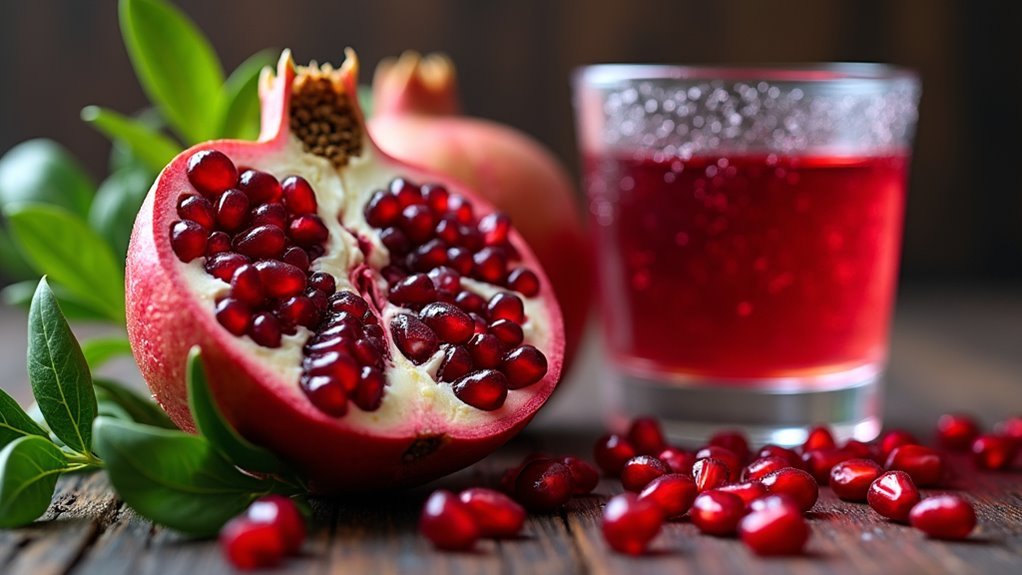
While your body naturally produces and processes cholesterol through complex metabolic pathways, pomegranate juice actively intervenes in these processes to promote healthier cholesterol management.
Pomegranate extract delivers powerful antioxidants that directly combat oxidative stress, preventing LDL cholesterol from becoming oxidized and sticking to your artery walls. The extract modulates cholesterol metabolism by increasing cholesterol ester content while decreasing harmful ratios in blood lipoproteins.
- Reduces inflammation markers by 35%, preventing macrophage recruitment that contributes to plaque formation
- Enhances nitric oxide synthase activity, improving blood vessel function and cholesterol processing
- Inhibits LDL cholesterol oxidation through potent polyphenol compounds
- Actively reverses existing arterial damage while preventing future cholesterol accumulation in arteries
Reducing Inflammation in Blood Vessel Walls
Pomegranate juice targets the inflammatory processes that damage your blood vessel walls at their source. The polyphenolic compounds in pomegranate extract deliver powerful antioxidant properties that directly combat inflammation within atherosclerotic plaques.
You’ll experience significant reductions in monocyte chemotactic protein-1, a critical inflammation marker that contributes to plaque development. When you consume pomegranate juice regularly, it reduces macrophage infiltration and cholesterol accumulation in your arterial walls.
The extract’s anti-inflammatory effects occur locally within your blood vessels, even when systemic inflammation markers remain unchanged. Additionally, pomegranate’s antioxidant properties enhance nitric oxide activity, preventing endothelial dysfunction that leads to increased arterial inflammation.
This targeted approach helps maintain healthier blood vessel walls and reduces your risk of cardiovascular complications.
Preventing Macrophage Foam Cell Development
When you consume pomegranate juice, you’re actively targeting one of atherosclerosis’s most dangerous processes: the transformation of macrophages into foam cells.
The juice considerably reduces macrophage inflammation while simultaneously blocking these immune cells from absorbing oxidized LDL cholesterol, which prevents their conversion into the cholesterol-laden foam cells that build arterial plaque.
You’ll find that pomegranate’s polyphenolic compounds are particularly effective at stopping this foam cell formation, with extracts showing nearly 100-fold greater potency in reducing inflammatory markers like IL-6 production in macrophages.
Macrophage Inflammation Reduction
Although atherosclerosis begins with lipid accumulation in arterial walls, the real damage occurs when macrophages become inflamed and transform into foam cells.
Pomegranate extract provides powerful protection by targeting macrophage inflammation at its source. This extract demonstrates nearly 100 times more potency than juice in reducing IL-6 production, a key inflammatory marker that drives atherosclerosis progression.
The extract’s polyphenolic compounds work by modulating lipid metabolism within macrophages, effectively reducing both oxidative stress and cholesterol accumulation.
When you consume pomegranate extract, you’re delivering concentrated anti-inflammatory compounds that prevent macrophages from becoming overloaded with lipids.
- Reduces IL-6 inflammatory marker production by nearly 100-fold compared to juice
- Modulates lipid metabolism to prevent cholesterol overload in macrophages
- Decreases oxidative stress within arterial vessel walls
- Inhibits inflammation-driven foam cell transformation process
Foam Cell Formation Inhibition
This inflammatory suppression directly prevents the transformation of macrophages into foam cells, the lipid-laden cells that form the foundation of arterial plaques. Pomegranate extract blocks oxidized low-density lipoprotein uptake, stopping macrophages from accumulating cholesterol and becoming foam cells central to atherosclerosis development.
| Component | Action | Result |
|---|---|---|
| Punicalagins | Block LDL oxidation | Reduced foam cell formation |
| Polyphenols | Inhibit lipid uptake | Decreased cholesterol accumulation |
| Anti-inflammatory compounds | Suppress macrophage activation | Less inflammation |
You’ll benefit from pomegranate extract’s ability to reduce foam cell formation considerably more than pomegranate juice alone. This targeted prevention stops the initial stages of plaque development, protecting your cardiovascular health by maintaining cleaner arterial walls and reducing atherosclerotic progression.
Clinical Studies on Human Arterial Health
Since arterial health directly impacts cardiovascular disease risk, researchers have conducted numerous clinical trials to evaluate pomegranate juice’s therapeutic potential in human subjects.
These clinical studies reveal impressive results for arterial cholesterol management and atherosclerosis prevention.
You’ll benefit from pomegranate juice’s proven cardiovascular effects through multiple mechanisms:
- Dramatic lesion reduction: One-year supplementation decreased carotid artery lesions by 35% while control groups experienced 9% increases
- Enhanced antioxidant activity: Daily consumption boosted total antioxidant levels by 130%, improving endothelial function
- Improved lipid profiles: Regular intake reduced total cholesterol and LDL levels in hyperlipidemic patients
- Reduced inflammation: Supplementation lowered hsCRP and inflammatory cytokines while decreasing systolic blood pressure by 21%
These findings demonstrate pomegranate juice’s clinically-proven ability to combat arterial cholesterol buildup.
Optimal Dosage and Consumption Guidelines
Understanding these cardiovascular benefits naturally leads to questions about proper dosage and timing for maximum effectiveness. For cardiovascular health, you’ll want approximately 78 mg of punicalagins daily from pomegranate juice. This ideal dosage helps boost antioxidant activity and reduces cholesterol buildup in your arteries.
Choose pure pomegranate juice without added sugars to maximize benefits. These consumption guidelines emphasize moderation—even healthy juices can contribute to weight gain when consumed excessively. You should drink pomegranate juice as part of a balanced approach to cardiovascular protection.
Consult your healthcare provider before starting regular consumption, especially if you’re taking blood thinners or ACE inhibitors. These medications can interact with pomegranate compounds, potentially causing complications.
Pomegranate Extract vs. Juice Potency Comparison
Although pomegranate juice offers cardiovascular health benefits, pomegranate extract delivers markedly more potent effects for arterial health. The extract’s concentrated bioactivity makes it nearly 100 times more effective than juice in reducing inflammatory markers like IL-6 in macrophages.
Pomegranate extract shows nearly 100 times greater anti-inflammatory potency than juice, delivering superior cardiovascular protection through concentrated bioactive compounds.
This enhanced anti-inflammatory effect translates to superior cholesterol management and atherosclerosis prevention.
When you’re choosing between pomegranate extract and juice, consider these key differences:
- Potency: Extract provides markedly higher concentrations of beneficial polyphenols
- Inflammation reduction: More effective at preventing macrophage inflammation and foam cell formation
- Oxidative stress: Greater reduction in cellular damage that contributes to arterial cholesterol buildup
- Dosage efficiency: Smaller amounts needed to achieve therapeutic effects compared to juice consumption
Safety Considerations and Drug Interactions
While pomegranate juice offers cardiovascular benefits, you’ll need to take into account potential medication interactions before adding it to your routine.
The juice can interfere with blood thinners like warfarin and ACE inhibitors used for blood pressure management, potentially altering their effectiveness.
You should consult your healthcare provider to guarantee safe consumption, especially if you’re taking prescription medications or have existing health conditions.
Medication Interaction Risks
Despite pomegranate juice’s cardiovascular benefits, you’ll need to exercise caution if you’re taking certain prescription medications. The juice’s anticoagulant effects can amplify blood thinners like warfarin, potentially increasing bleeding risks. This medication interaction requires careful monitoring and healthcare provider consultation.
ACE inhibitors present another concern, as pomegranate juice can alter their effectiveness, making blood pressure management unpredictable. You’ll want to discuss any supplementation plans with your doctor beforehand.
Key medication interaction risks include:
- Enhanced bleeding effects when combined with anticoagulant medications
- Unpredictable blood pressure control with ACE inhibitor drugs
- Potential blood sugar complications from high sugar content in commercial varieties
- Need for adjusted medication dosing under medical supervision
Always consult healthcare providers before adding pomegranate juice to your routine, especially if you’re managing chronic conditions.
Safe Consumption Guidelines
To maximize pomegranate juice’s cardiovascular benefits while minimizing risks, you’ll want to follow specific consumption guidelines that prioritize both safety and effectiveness.
Choose pure pomegranate juice without added sugars to preserve its antioxidants while avoiding unnecessary calories. Moderation remains vital since excessive intake can counteract heart-health benefits through increased calorie consumption.
Before incorporating pomegranate juice into your routine, consult healthcare providers, particularly if you’re taking blood thinners like warfarin or ACE inhibitors such as captopril and enalapril. These medications may have dangerous interactions with pomegranate compounds.
Your doctor can assess potential risks and recommend appropriate monitoring strategies.
Following proper consumption guidelines guarantees you’ll receive pomegranate juice’s cardiovascular benefits while avoiding complications that could compromise your health or medication effectiveness.
Healthcare Provider Consultation
Before adding pomegranate juice to your daily regimen, scheduling a consultation with your healthcare provider becomes essential, particularly if you’re managing chronic conditions or taking prescription medications.
Your doctor can assess potential interactions with blood thinners like warfarin, which may increase bleeding risks when combined with pomegranate juice’s anticoagulant properties.
If you’re taking ACE inhibitors for blood pressure management, your healthcare provider needs to monitor how pomegranate juice affects medication efficacy and cardiovascular benefits.
- Discuss blood thinner interactions to prevent excessive bleeding complications
- Review ACE inhibitor combinations that may impact blood pressure control
- Evaluate glycemic levels if you have diabetes or blood sugar concerns
- Select pure pomegranate juice without added sugars to maximize cholesterol-fighting benefits
Choosing Pure Pomegranate Products
When you’re shopping for pomegranate products, selecting pure options without added sugars becomes essential for maximizing health benefits and avoiding unnecessary calories.
Look for labels stating “100% pure pomegranate juice” to guarantee you’re getting the full spectrum of polyphenols and antioxidants that prevent cholesterol buildup. Always check the ingredient list carefully, as many products marketed as pomegranate juice contain insufficient amounts of actual fruit.
Consider concentrates or extracts, which often contain higher levels of punicalagins—compounds responsible for potent anti-inflammatory properties.
For best cardiovascular protective effects, aim for eight ounces daily of authentic pomegranate juice. This amount has been clinically shown to help prevent arterial cholesterol accumulation while delivering maximum antioxidant benefits.
Timeline for Cardiovascular Benefits
While cardiovascular improvements from pomegranate juice don’t happen overnight, you’ll begin experiencing measurable benefits within weeks of consistent consumption. Your body starts reducing oxidative stress and inflammation markers early in the process, setting the foundation for long-term protection against cholesterol buildup.
Here’s what you can expect:
- 2-4 weeks: Initial reduction in oxidative stress and inflammation markers
- 2-3 months: Noticeable improvements in lipid profiles and LDL oxidation protection
- 6 months: Measurable slowing of atherosclerosis progression with enhanced arterial function
- 12 months: Significant cardiovascular benefits including 35% reduction in carotid artery lesions
The key is consistency—daily pomegranate juice consumption guarantees your arteries receive continuous protection against cholesterol buildup while supporting overall cardiovascular health through sustained antioxidant activity.
Combining Pomegranate With Heart-Healthy Lifestyle Changes
You’ll maximize pomegranate juice’s cholesterol-lowering potential by strategically incorporating it into an all-encompassing heart-healthy approach rather than relying on it as a standalone solution.
Your dietary choices should complement the antioxidant power of pomegranates while your exercise routine amplifies the cardiovascular benefits.
Let’s explore how you can seamlessly integrate pomegranate consumption with proven lifestyle modifications and consider whether supplementation fits your wellness strategy.
Dietary Integration Strategies
Although pomegranate juice offers impressive cardiovascular benefits on its own, you’ll maximize its cholesterol-fighting potential by weaving it into a thorough heart-healthy lifestyle. The polyphenolic compounds work synergistically with other dietary factors to combat atherosclerosis and enhance antioxidants throughout your cardiovascular system.
Choose pure pomegranate juice without added sugars to avoid counteracting heart health benefits. Combine this powerful beverage with complementary lifestyle changes that target cholesterol reduction from multiple angles.
- Morning routine: Drink 8 ounces of pure pomegranate juice alongside oatmeal topped with berries.
- Exercise pairing: Consume pomegranate juice 30 minutes before cardio workouts for enhanced nitric oxide synthesis.
- Mediterranean integration: Include pomegranate juice in salad dressings with olive oil and herbs.
- Whole grain combinations: Blend pomegranate juice into smoothies with heart-healthy nuts and seeds.
Exercise and Supplementation
When you combine regular exercise with pomegranate juice supplementation, you create a powerful synergy that amplifies cardiovascular protection beyond what either approach achieves alone.
This combination enhances endothelial function while reducing arterial cholesterol buildup through potent antioxidants found in pomegranate juice. Studies demonstrate that pairing aerobic activities with daily pomegranate juice consumption greatly lowers oxidized LDL cholesterol levels, reducing atherosclerosis risk.
You’ll experience improved nitric oxide synthesis when combining physical activity with pomegranate juice intake, promoting healthy blood flow through enhanced vasodilation.
This dual approach creates synergistic effects, evidenced by considerable reductions in inflammatory markers like IL-6 and TNF-a. Regular exercise combined with pomegranate juice reduces oxidative stress levels while enhancing lipid metabolism, contributing to improved cardiovascular health and overall heart function.
Frequently Asked Questions
Can Pomegranate Juice Clear Plaque From Arteries?
You can’t completely clear existing plaque with pomegranate juice, but studies show it’ll reduce plaque size by up to 35% and prevent new buildup through its antioxidant properties and inflammation reduction.
How Does Pomegranate Juice Reduce Cholesterol?
You’ll experience cholesterol reduction through pomegranate juice’s polyphenols, which prevent LDL oxidation and enhance nitric oxide production. These antioxidants combat inflammation, reduce lipid peroxidation, and protect your endothelial cells from damage.
What Drink Opens up Arteries, Pomegranate Juice?
You’ll find pomegranate juice effectively opens arteries by boosting nitric oxide production, which promotes vasodilation. It’s rich in punicalagins that enhance endothelial function, helping your blood vessels relax and improve circulation naturally.


