

Pomegranate juice’s key antioxidants—punicalagins, ellagic acid, anthocyanins, and tannins—work together to protect your arteries from damage. Punicalagins block LDL cholesterol oxidation and boost antioxidant activity by 130%, while ellagic acid prevents arterial inflammation. Anthocyanins strengthen blood vessel walls and improve nitric oxide production, and tannins preserve vessel elasticity. These compounds collectively prevent atherosclerosis formation and enhance endothelial function. Understanding ideal dosages reveals how you’ll maximize these protective benefits.
Polyphenols: The Primary Arterial Defense System
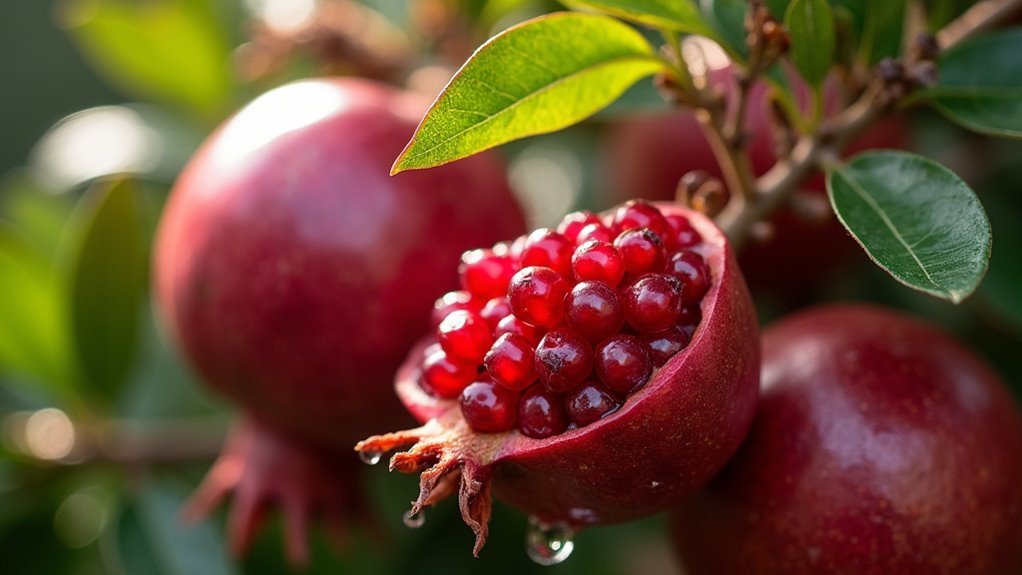
Your cardiovascular system encounters a daily barrage of free radicals and inflammatory compounds that can damage arterial walls, but pomegranate juice’s polyphenols serve as your body’s frontline defense against this oxidative assault.
These powerful antioxidants, particularly punicalagins and anthocyanins, directly combat oxidative stress that threatens your arterial health. When you consume pomegranate juice daily, you’ll boost your total antioxidant activity by 130%, creating a robust shield against vascular damage.
Pomegranate’s punicalagins and anthocyanins deliver a powerful 130% antioxidant boost, creating your arteries’ ultimate natural defense against oxidative damage.
The polyphenols work by preventing LDL oxidation, a critical step in atherosclerosis development. They also enhance your endothelial function by promoting nitric oxide production, which maintains proper blood flow and reduces blood pressure.
This extensive protection makes polyphenols your arteries’ most effective natural defense system.
Punicalagins: Pomegranate’s Most Potent Antioxidant Compounds
Among all polyphenols in pomegranate juice, punicalagins stand out as the most powerful antioxidant warriors protecting your cardiovascular system. These compounds deliver exceptional anti-inflammatory benefits while considerably blocking LDL oxidation, preventing atherosclerosis development.
When you drink pomegranate juice daily, you’ll experience a remarkable 130% increase in total antioxidant activity throughout your body.
Punicalagins excel beyond typical antioxidants by enhancing nitric oxide synthesis and activity, directly improving your endothelial function and blood flow. They create superior protection for your cell membranes against oxidative stress, outperforming other common antioxidant sources.
This makes punicalagins particularly effective at maintaining arterial health and preventing cardiovascular damage through their potent protective mechanisms.
Ellagic Acid and Its Role in Preventing LDL Oxidation
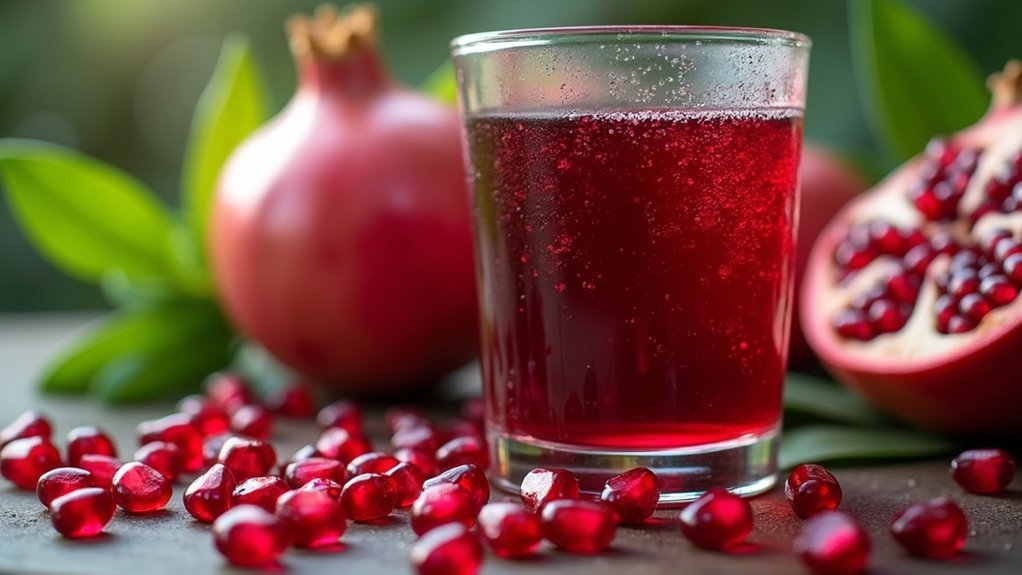
While punicalagins capture most of the spotlight, ellagic acid emerges as another critical defender against cardiovascular health by specifically targeting LDL oxidation.
This polyphenolic compound actively blocks reactive oxygen species formation, directly preventing oxidative stress that damages your arteries. When you consume pomegranate juice rich in ellagic acid, you’ll experience a remarkable 130% increase in total antioxidant activity.
This powerful boost translates into significant protection against oxidized LDL particles that cause arterial plaque buildup. Regular consumption delivers measurable benefits: reduced arterial inflammation, lower oxidized LDL levels, and enhanced cardiovascular protection.
These antioxidants work systematically to maintain your arterial health by neutralizing harmful compounds before they can trigger atherosclerosis development.
Anthocyanins: Red Pigments That Strengthen Blood Vessels
You’ll find anthocyanins working as powerful anti-inflammatory agents that directly target inflammation in your arterial walls, reducing damage that can lead to cardiovascular disease.
These red pigments actively protect your vascular walls by strengthening the endothelial cells that line your blood vessels, creating a more resilient barrier against oxidative stress.
When you consume pomegranate juice regularly, anthocyanins enhance your blood flow by improving nitric oxide production, which helps your arteries relax and maintain healthy circulation throughout your body.
Anthocyanin Anti-Inflammatory Properties
Since pomegranate’s vibrant red color comes from anthocyanins, you’re getting powerful anti-inflammatory compounds that directly strengthen your blood vessels.
These antioxidants work by inhibiting pro-inflammatory cytokines that contribute to atherosclerosis and compromise your cardiovascular health. When you consume pomegranate juice regularly, you’ll experience reduced arterial stiffness as anthocyanins calm inflammation throughout your vascular system.
The anti-inflammatory action enhances your endothelial function by promoting nitric oxide synthesis, which maintains healthy blood flow and prevents arterial damage.
Research shows participants experienced a 130% increase in total antioxidant activity, directly correlating with improved vascular health. By targeting inflammation at its source, anthocyanins create a protective environment that keeps your arteries flexible and resilient against disease-causing processes.
Vascular Wall Protection
Beyond their anti-inflammatory effects, anthocyanins act as cellular bodyguards that fortify your vascular walls against daily damage from oxidative stress.
These red pigments in pomegranate juice enhance endothelial function, maintaining the smooth inner lining of your blood vessels that’s essential for peak vascular health.
When you consume pomegranate juice daily, these powerful antioxidants increase your body’s total antioxidant activity, creating a protective shield around your arteries.
Clinical research demonstrates impressive results: regular pomegranate juice consumption reduces systolic blood pressure by 21%, signaling stronger vascular wall integrity.
The anthocyanins also prevent LDL oxidation, stopping cholesterol from damaging your arterial walls.
This thorough artery protection translates into measurably improved cardiovascular health, making pomegranate juice a potent ally in maintaining resilient blood vessels.
Blood Flow Enhancement
The same anthocyanins that protect your vascular walls also function as natural circulation enhancers, actively improving blood flow throughout your entire cardiovascular system.
These red pigments in pomegranate juice boost endothelial function, helping your blood vessels dilate more effectively and maintain ideal circulation. The antioxidants combat oxidative stress and inflammation within your vascular system, creating conditions that promote healthy blood flow patterns.
When you consume pomegranate juice daily, you’re supporting your cardiovascular health through multiple pathways.
Clinical studies demonstrate that anthocyanins can reduce carotid artery lesions and inhibit LDL oxidation, preventing atherosclerosis development. This protection translates directly into enhanced arterial health and improved circulation, reducing your risk of heart disease while optimizing blood flow to essential organs and tissues throughout your body.
Tannins: Stabilizing Heart Tissue and Preventing Elastin Breakdown
Cardiovascular protection takes on new meaning when you consider how tannins in pomegranate juice actively stabilize your heart tissue.
These powerful antioxidants prevent oxidative damage while maintaining your cardiovascular health through multiple protective mechanisms.
Tannins inhibit elastin breakdown, preserving your blood vessels’ elasticity and structural integrity. They also reduce LDL oxidation, which directly prevents arterial plaque formation and atherosclerosis development.
Here’s how tannins protect your cardiovascular system:
- Reduce inflammatory markers – Lowering systemic inflammation that damages arterial walls
- Improve endothelial function – Enhancing your blood vessels’ ability to dilate and contract properly
- Decrease arterial stiffness – Maintaining flexible, healthy arteries for peak circulation
Regular pomegranate juice consumption helps lower your blood pressure and enhances blood flow, creating extensive arterial protection.
Flavonoids: Multi-Target Compounds for Cardiovascular Protection
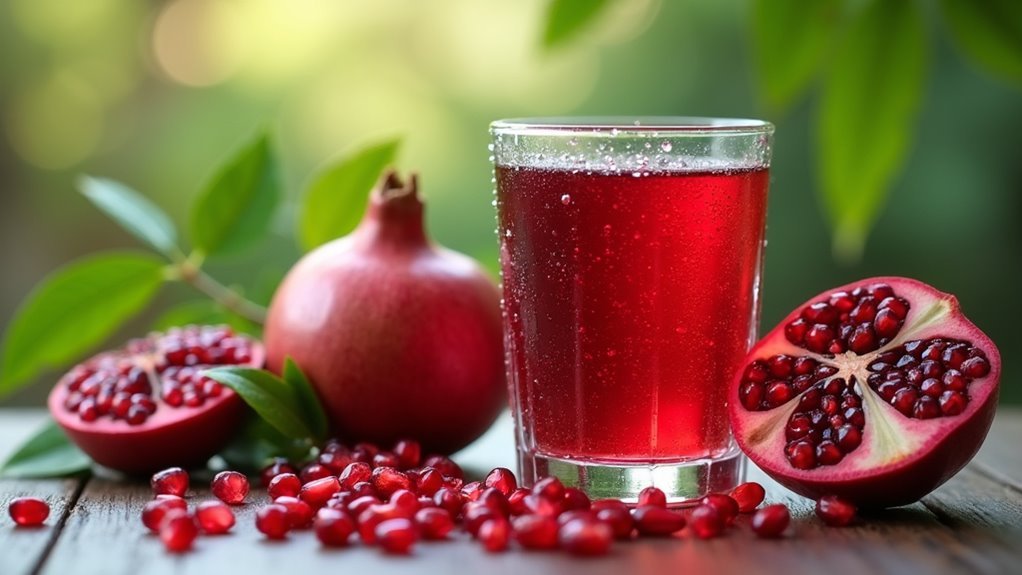
While tannins provide impressive cardiovascular protection, flavonoids in pomegranate juice deliver even broader therapeutic benefits through their multi-target approach to heart health. These antioxidants, particularly anthocyanins and flavonols, combat oxidative stress while protecting endothelial cells throughout your vascular system.
| Flavonoid Mechanism | Cardiovascular Benefit |
|---|---|
| LDL cholesterol inhibition | Prevents atherosclerosis development |
| Nitric oxide production | Maintains arterial health |
| Blood pressure reduction | Improves systolic readings |
| Endothelial protection | Enhances vascular function |
Your daily pomegranate juice consumption delivers these flavonoids directly to your bloodstream, where they work systematically to improve blood flow and prevent endothelial dysfunction. Clinical studies demonstrate remarkable results—participants experienced a 35% reduction in carotid artery lesions, proving flavonoids’ effectiveness in cardiovascular protection and atherosclerosis prevention.
How Pomegranate Antioxidants Enhance Nitric Oxide Production
Beyond their multi-target cardiovascular benefits, pomegranate’s flavonoids work through a specific mechanism that’s particularly powerful for vascular health: enhancing nitric oxide production.
When you consume pomegranate juice, its antioxidants—especially punicalagins—boost nitric oxide synthesis and activity, directly improving endothelial function.
This process delivers three key cardiovascular protection benefits:
- Enhanced vasodilation – Increased nitric oxide promotes blood vessel relaxation, improving circulation and reducing blood pressure.
- Reduced oxidative stress – Antioxidants preserve nitric oxide bioavailability by neutralizing harmful free radicals.
- Prevention of arterial damage – Inhibited LDL oxidation protects nitric oxide’s defensive effects against plaque formation.
Daily pomegranate juice consumption markedly elevates your nitric oxide levels, creating a protective barrier against atherosclerosis while optimizing overall vascular health.
Reducing Oxidative Stress in Arterial Walls
Although nitric oxide enhancement provides essential cardiovascular protection, pomegranate’s antioxidants deliver an equally important benefit by directly targeting oxidative stress within your arterial walls.
When you drink pomegranate juice regularly, its powerful polyphenols neutralize harmful reactive oxygen species that damage arterial cells. These antioxidants specifically prevent LDL oxidation, stopping cholesterol from becoming dangerous to your vascular health.
You’ll experience a remarkable 130% increase in total antioxidant activity, which directly protects your arterial walls from inflammatory damage.
The punicalagins in pomegranate juice work continuously to reduce oxidative stress, preventing the cellular damage that leads to atherosclerosis. This protection translates into measurable improvements in your overall vascular health and arterial function.
Anti-Inflammatory Effects on Endothelial Cells
When endothelial cells lining your arteries become inflamed, pomegranate’s potent polyphenols step in to protect these crucial cellular barriers from damage.
These antioxidants deliver powerful anti-inflammatory effects that directly combat oxidative stress threatening your arterial health.
Pomegranate juice’s punicalagins work through three key mechanisms:
- Enhanced nitric oxide production – Boosts synthesis and activity of this essential molecule for healthy endothelial function and vasodilation.
- LDL oxidation prevention – Inhibits harmful cholesterol modifications that trigger endothelial dysfunction and atherosclerosis.
- Measurable arterial improvements – Clinical studies show 35% reduction in carotid artery lesions plus significant improvements in myocardial perfusion.
You’ll experience reduced stress-induced ischemia as these antioxidants systematically address inflammation at the cellular level, protecting your cardiovascular system from progressive damage.
Preventing Atherosclerotic Plaque Formation and Progression
You’ll find that punicalagins, the primary polyphenols in pomegranate juice, actively prevent LDL cholesterol oxidation—a critical early step in atherosclerotic plaque development.
These powerful antioxidants don’t just block harmful oxidative processes; they also boost your body’s nitric oxide production, which promotes healthy blood vessel dilation.
Punicalagins Inhibit LDL Oxidation
Oxidation transforms harmless LDL cholesterol into a dangerous vessel-damaging compound, but punicalagins in pomegranate juice actively block this destructive process.
These powerful compounds demonstrate superior antioxidant properties compared to many dietary alternatives, making them exceptionally effective against atherosclerosis development.
When you consume pomegranate juice regularly, punicalagins prevent LDL oxidation and maintain healthy endothelial function throughout your cardiovascular system.
This protection directly supports vascular health by preserving your blood vessels’ natural defenses.
Research demonstrates pomegranate juice’s remarkable impact:
- Clinical studies show 35% reduction in carotid artery lesions among daily consumers
- Enhanced nitric oxide production improves blood flow and reduces arterial damage
- Superior antioxidant potency outperforms many other dietary antioxidants in protecting blood vessels
Your arteries benefit from this targeted protection against oxidative stress.
Nitric Oxide Enhancement
Beyond protecting LDL cholesterol from oxidation, punicalagins trigger another powerful cardiovascular mechanism that directly combats atherosclerosis. When you drink pomegranate juice, its antioxidants enhance nitric oxide synthesis in your blood vessels. This compound acts as your arteries’ natural relaxant, promoting vasodilation and improving blood flow throughout your vascular system.
| Nitric Oxide Benefits | Impact on Atherosclerosis |
|---|---|
| Vasodilation | Reduces arterial pressure |
| Improved blood flow | Prevents plaque buildup |
| Enhanced endothelial function | Protects vessel walls |
| Reduced inflammation | Stops plaque progression |
| Better oxygen delivery | Maintains arterial health |
The polyphenols in pomegranate juice specifically target endothelial cells, where they stimulate nitric oxide production. This enhanced vascular health creates an environment hostile to atherosclerotic plaque formation, keeping your arteries flexible and clear.
Clinical Evidence: Reversing Carotid Artery Damage
When researchers examined pomegranate juice’s effects on cardiovascular health, they discovered remarkable evidence of its ability to reverse arterial damage.
Clinical studies revealed that daily consumption produced measurable improvements in carotid artery health, directly combating atherosclerosis progression.
Daily pomegranate juice consumption delivers measurable cardiovascular benefits, actively reversing arterial damage and halting atherosclerosis development through powerful antioxidant mechanisms.
The antioxidants in pomegranate juice, particularly punicalagins, target key mechanisms of vascular deterioration:
- 35% reduction in carotid artery lesions – demonstrating actual reversal of existing arterial damage
- 130% increase in antioxidant activity – providing robust protection against oxidative stress
- 50% decrease in ischemia episodes – reducing cardiovascular symptoms in heart disease patients
These results stem from pomegranate juice’s ability to inhibit LDL oxidation, a primary driver of atherosclerosis.
Optimal Antioxidant Concentration in Pomegranate Juice
You’ll need to understand that punicalagins, the primary antioxidants in pomegranate juice, require a specific daily intake of 78 mg for ideal cardiovascular protection.
The polyphenol content can vary greatly between different pomegranate juice brands and processing methods, affecting the therapeutic benefits you’ll receive.
Your daily consumption should target 240 ml of high-quality pomegranate juice to achieve the antioxidant levels necessary for measurable heart health improvements.
Punicalagin Dosage Requirements
Although punicalagins represent pomegranate juice’s most potent antioxidant compounds, determining the right dosage requires understanding specific health goals and individual needs.
For cardiovascular health protection, you’ll want 78 mg of punicalagins daily to effectively combat LDL oxidation and atherosclerosis development. This dosage considerably improves endothelial function while reducing oxidative stress throughout your arterial system.
Consider these dosage guidelines for ideal antioxidant benefits:
- Cardiovascular protection: 78 mg daily punicalagins prevents arterial damage and supports heart health
- Enhanced antioxidant activity: Regular consumption increases total antioxidant levels by up to 130%
- Prostate health support: 280-375 mg pomegranate extract concentration provides additional vascular benefits
You’ll achieve maximum protection when consistently maintaining these punicalagin levels, ensuring your arteries receive continuous antioxidant defense against oxidative damage.
Polyphenol Content Variations
The polyphenol concentration in pomegranate juice fluctuates dramatically based on processing methods and extraction techniques.
You’ll find that fresh, cold-pressed varieties retain markedly higher antioxidants than commercially processed options. The most potent extracts can contain up to three times more polyphenols compared to standard pomegranate juice.
Your choice of extraction method directly impacts the concentration of punicalagins and other essential compounds that provide cardiovascular protection.
When you consume juice with ideal polyphenol levels, you’re maximizing your body’s ability to combat oxidative stress and inflammation.
Processing variations can dramatically alter the juice’s protective potential, so you’ll want to select products that preserve these critical antioxidants for maximum arterial health benefits.
Daily Consumption Standards
While maximizing antioxidant benefits requires precise dosing, consuming 240 ml of high-quality pomegranate juice daily delivers the ideal concentration of protective compounds your cardiovascular system needs.
This optimal serving provides essential punicalagins and polyphenols that enhance endothelial function while reducing oxidative stress in your arteries.
Key daily intake targets for cardiovascular protection:
- 78 mg of punicalagins – Considerably improves endothelial function and arterial health
- 280-375 mg of polyphenols – Reduces arterial damage and supports heart health benefits
- 130% increase in antioxidant activity – Maximizes protection against cardiovascular diseases
Regular pomegranate juice consumption at these levels outperforms other antioxidant sources, making it an effective supplement for maintaining healthy blood vessels and preventing atherosclerosis through concentrated protective compounds.
Maximizing Arterial Protection Through Daily Consumption
Since pomegranate juice contains concentrated polyphenolic antioxidants like punicalagins and anthocyanins, making it part of your daily routine can dramatically enhance your arterial health.
You’ll need about 240 ml daily to achieve maximum arterial protection and reduce cardiovascular risk effectively.
This consumption pattern delivers approximately 78 mg of punicalagins, which actively combat oxidative stress and prevent LDL cholesterol oxidation.
You’ll experience significant improvements in myocardial perfusion within three months, while stress-induced ischemia decreases substantially.
The polyphenols work continuously to reduce systolic blood pressure by 21% and shrink carotid artery lesions by 35%.
These antioxidants prevent endothelial dysfunction and inhibit atherosclerosis progression, ensuring your arteries remain flexible and healthy for sustained cardiovascular protection.
Frequently Asked Questions
Can Pomegranate Juice Remove Plaque From Arteries?
You can’t completely remove existing plaque, but pomegranate juice’s antioxidants help stabilize it and prevent progression. Studies show it reduces carotid artery lesions by 35% and lowers blood pressure considerably.
What Drink Opens up Arteries, Pomegranate Juice?
You’ll find that pomegranate juice can help open arteries through its antioxidants that boost nitric oxide production, relax blood vessels, and prevent LDL cholesterol oxidation, improving overall arterial function.
What Are the Antioxidants in Pomegranate Juice?
You’ll find punicalagins and ellagitannins as the main antioxidants in pomegranate juice. These powerful polyphenols give you strong protection against oxidative stress while helping prevent LDL cholesterol oxidation in your arteries.
What Juice Helps Unclog Arteries?
You’ll find pomegranate juice particularly effective for unclogging arteries. It’s rich in punicalagins and anthocyanins that prevent LDL oxidation, reduce arterial lesions, and improve blood flow through enhanced nitric oxide production.


