

You’ll maximize shiitake’s immune benefits by cooking them thoroughly to activate beta-glucans and avoid dermatitis. Consume 1-2 servings (half-cup cooked) daily, choosing fresh for stir-fries or dried for concentrated nutrients. Store fresh shiitake in paper bags and dried ones in airtight containers. Pair them with garlic, ginger, and citrus for enhanced immune support. Soak dried varieties for 20-30 minutes before cooking, and add them to soups, risottos, or smoothies. These nutrient-dense powerhouses offer deeper wellness secrets.
Beta-Glucans: The Immune-Boosting Compounds in Shiitake
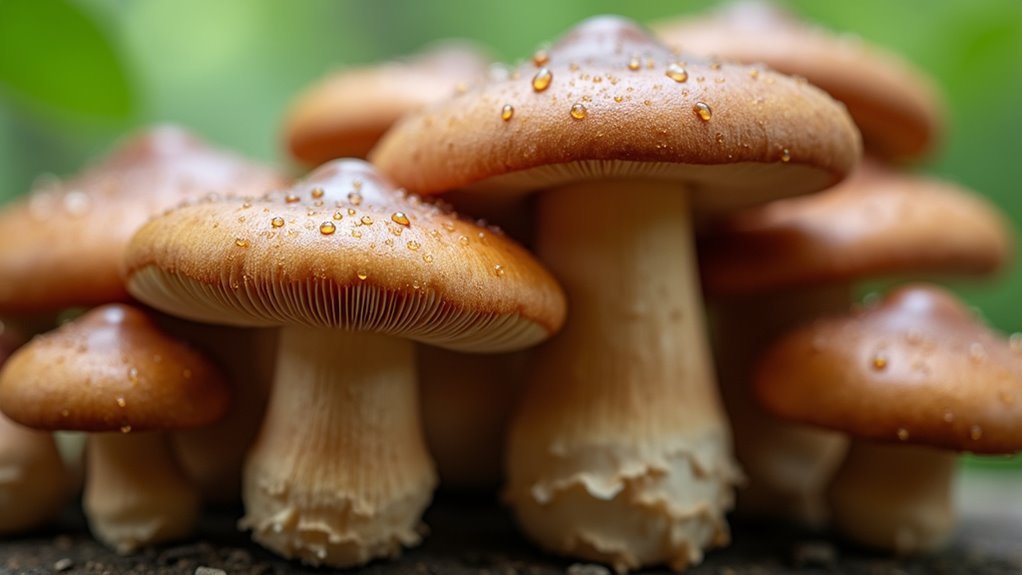
While many people turn to vitamin supplements for immune support, shiitake mushrooms offer a natural alternative through their high concentration of beta-glucans. These powerful sugar molecules reside in the mushroom’s cell walls and directly enhance your immune system’s performance.
When you consume beta-glucans, they stimulate your white blood cells and other immune defenders, making them more effective at fighting infections.
Research shows that regular beta-glucan consumption increases your immune system’s efficiency, strengthening your body’s natural defense mechanisms. Shiitake mushrooms contain exceptionally high levels of these compounds, earning their superfood reputation.
Essential Minerals That Strengthen Your Defense System
Beyond beta-glucans, shiitake mushrooms pack an impressive array of essential minerals that directly fortify your immune defenses.
You’ll get approximately 33% of your daily selenium needs from these fungi, which supports immune function and combats oxidative stress throughout your body. Their copper content is even more remarkable—delivering 72% of your daily requirements in just half a cup. This mineral maintains healthy blood vessels and bones while boosting immune system efficiency.
Shiitake mushrooms also provide potassium for regulating blood pressure and improving circulation, indirectly supporting immunity.
Potassium in shiitake mushrooms regulates blood pressure and enhances circulation, creating an indirect but powerful boost to your immune system.
Combined with polysaccharides like lentinan, these minerals create a powerful nutritional profile that enhances immune cell activity and offers potential anticancer properties, making shiitake mushrooms an excellent addition to your defense-building diet.
Proper Cooking Methods to Maximize Immune Benefits
You’ll release shiitake mushrooms’ full immune-boosting potential when you apply the right heat activation techniques during cooking.
Proper sautéing and stir-frying methods help preserve essential beta-glucans and polysaccharides that strengthen your body’s defense mechanisms.
These nutrient preservation methods guarantee you’re getting maximum health benefits from every mushroom you prepare.
Heat Activation Techniques
Although shiitake mushrooms contain powerful immune-supporting compounds in their raw state, you’ll release their maximum therapeutic potential through proper heat activation.
Heat activation effectively breaks down tough cell walls, making beneficial compounds like beta-glucans and lentinan considerably more bioavailable for your body’s absorption.
When cooking shiitake mushrooms, you’ll want to apply sustained heat through sautéing or stir-frying techniques. These methods preserve the delicate immune support properties while creating ideal conditions for nutrient release.
For dried shiitakes, you should soak them in hot water first, then proceed with your chosen cooking method.
Proper heat activation doesn’t just maximize immune support—it also eliminates potential skin reactions associated with raw consumption, ensuring you receive all benefits safely.
Nutrient Preservation Methods
While heat activation releases shiitake’s immune-supporting compounds, specific cooking techniques will preserve these delicate nutrients at their peak potency.
When cooking shiitake mushrooms, you’ll want to add them during the final stages of preparation to maintain their nutritional content. Heat-sensitive B vitamins and antioxidants deteriorate with prolonged exposure, so incorporating mushrooms into soups or stir-fries near completion maximizes their benefits.
Soaking dried shiitake mushrooms in hot water before cooking rehydrates them while releasing concentrated flavors and nutrients into your dish. You can use this nutrient-rich soaking liquid as a base for broths or sauces.
Sautéing in healthy oils like olive oil helps retain essential minerals while preserving the immune-supporting effects of beta-glucans and lentinan compounds.
Fresh vs. Dried Shiitake: Which Form Works Best
When choosing between fresh and dried shiitake mushrooms for immune support, you’re looking at two forms that each offer distinct advantages.
Fresh shiitake provide higher moisture content and work excellently in stir-fries and soups where texture matters. They deliver rich, earthy flavors while supplying beta-glucans that enhance immune function.
Dried shiitake concentrate their umami taste and may contain higher levels of bioactive compounds due to reduced water content. You’ll need to soak them before cooking, but they’re perfect for long-term storage and versatile applications.
Both fresh and dried forms supply essential nutrients like copper and selenium.
Studies show that incorporating either variety into your healthy diet improves immune health by enhancing immune cell function, making the benefits of shiitake accessible regardless of your preference.
Daily Serving Sizes for Optimal Immune Function
You’ll want to know exactly how much shiitake to consume daily for maximum immune benefits.
The recommended amounts differ considerably between fresh and dried forms, with dried varieties offering more concentrated nutrients per serving.
Whether you’re eating whole mushrooms or considering supplements, understanding proper dosage guidelines guarantees you’re getting ideal immune support without overconsumption.
Recommended Daily Amounts
A half-cup serving of cooked shiitake mushrooms delivers approximately 45 grams of concentrated immune-supporting nutrients that can greatly boost your daily nutritional intake.
For ideal immune support, you’ll want to consume 1-2 servings daily as part of your balanced diet. This recommended daily amount provides substantial health benefits, including 72% of your copper needs—essential for proper immune function.
If you prefer dried shiitake mushrooms, one ounce (28 grams) rehydrated offers equivalent nutritional value with versatile cooking options.
You’ll maximize immune efficiency by eating shiitake mushrooms 3-4 times weekly, taking advantage of their rich beta-glucans and polysaccharides.
These recommended daily amounts guarantee you’re getting consistent exposure to shiitake’s powerful immune-boosting compounds without overconsumption.
Fresh Vs Dried
While both fresh and dried shiitake mushrooms provide powerful immune support, their ideal serving sizes differ considerably due to concentration levels.
You’ll want to consume about ½ cup of fresh shiitake mushrooms daily, which delivers approximately 50g of these nutrient-dense fungi. This serving provides 33% of your daily selenium needs, vital for immune health.
For dried shiitake mushrooms, you’ll need only ¼ cup (25g) after rehydration to achieve similar benefits. The drying process concentrates the nutrients in shiitake mushrooms, making smaller portions equally effective.
Both forms contain lentinan, the immune-boosting polysaccharide that stimulates your body’s defense mechanisms. You can combine fresh and dried varieties throughout the week to maximize flavor diversity while maintaining consistent immune support through their rich beta-glucan and mineral content.
Supplement Dosage Guidelines
Most shiitake mushroom supplements require different dosing than their whole food counterparts to deliver concentrated immune benefits. When following supplement dosage guidelines for shiitake mushrooms, you’ll typically need 1,000-2,000 mg of dried extract daily for ideal immune support.
| Form | Daily Amount | Active Compounds |
|---|---|---|
| Dried Extract | 1,000-2,000 mg | Concentrated lentinan |
| Dried Mushrooms | 5-10 grams | Natural beta-glucans |
| Fresh Mushrooms | 1-2 cups weekly | Full nutrient profile |
| Capsules | Follow label | Variable concentrations |
| Powder | 1-3 teaspoons | Depends on processing |
Lentinan concentrations vary greatly between products, so you should always follow specific manufacturer guidelines. Before starting any shiitake supplement regimen, consult your healthcare provider, especially if you’re taking medications or have underlying conditions.
Combining Shiitake With Other Immune-Supporting Foods
Because shiitake mushrooms work synergistically with other immune-supporting ingredients, you can maximize their health benefits by pairing them strategically in your meals.
Combine them with garlic’s allicin to enhance your immune system’s response. Create a nutrient-dense dish by mixing shiitake with leafy greens rich in vitamins A and C, which further strengthens immune function.
Add shiitake to ginger-based broths to amplify anti-inflammatory properties, as ginger provides additional immune support. You’ll improve nutrient absorption by incorporating citrus fruits high in vitamin C alongside your shiitake dishes.
For maximum immune enhancement, pair shiitake with turmeric containing curcumin. This combination creates synergistic effects that boost immune response while reducing inflammation.
These strategic pairings transform simple shiitake dishes into powerful immune-supporting meals.
Avoiding Shiitake Dermatitis and Other Safety Concerns
While shiitake mushrooms offer excellent immune support, you’ll need to take proper precautions to avoid potential side effects like shiitake dermatitis.
You should always cook these mushrooms thoroughly and learn to recognize early symptoms of skin reactions or digestive issues.
Don’t hesitate to consult your healthcare provider if you’re pregnant, breastfeeding, or have known sensitivities to mushroom compounds.
Cook Mushrooms Thoroughly
Although shiitake mushrooms offer impressive immune-boosting benefits, you’ll want to cook them thoroughly to avoid shiitake dermatitis—a skin reaction that causes itching and discomfort when you consume raw or undercooked varieties.
When you cook shiitake properly, you’ll minimize allergic reactions by reducing lentinan concentration, the compound that triggers sensitivities.
Follow these essential steps:
- Remove tough stems from fresh shiitake mushrooms before cooking
- Heat mushrooms completely through sautéing, roasting, or adding to soups
- Cook until caps become tender and safe to eat
- Use recommended cooking methods like stir-fries for best results
Proper preparation guarantees you’ll help your immune system while avoiding skin reactions that typically resolve within one to two weeks.
Recognize Dermatitis Symptoms
Even with proper cooking techniques, you should know how to identify shiitake dermatitis symptoms in case they occur. This condition results from lentinan exposure when consuming raw or undercooked mushrooms, causing distinctive skin reactions.
| Symptom | Appearance | Timeline |
|---|---|---|
| Linear rashes | Red streaks across skin | 24-72 hours after consumption |
| Intense itching | Scratching marks, irritation | Develops within 1-3 days |
| Skin inflammation | Swollen, raised areas | Peaks at 3-5 days |
| Whip-like marks | Distinctive linear patterns | Most characteristic feature |
If you experience these allergic reactions, eliminate shiitake mushrooms from your diet immediately. Symptoms typically resolve within one to two weeks. Cooking shiitake mushrooms thoroughly prevents most cases, but consult your healthcare provider if reactions persist or worsen.
Consult Healthcare Professionals
Before adding shiitake mushrooms to your regular diet, you should consult healthcare professionals, particularly if you have a history of food allergies, skin sensitivities, or autoimmune conditions.
They’ll assess your individual risk factors and provide personalized guidance on safe consumption practices.
Medical professionals can help you understand:
- Your risk level for developing shiitake dermatitis based on your health history
- Proper preparation methods to minimize adverse reactions while preserving health benefits
- Warning signs to watch for after consuming shiitake mushrooms
- Alternative immune-supporting foods if shiitake isn’t suitable for you
Don’t hesitate to reach out if you experience any unusual symptoms after eating shiitake mushrooms.
Healthcare professionals can provide appropriate treatment and management strategies.
Lentinan and Polysaccharides for Enhanced Immune Response
Since shiitake mushrooms contain lentinan, a powerful polysaccharide compound, they’re particularly effective at boosting your immune system’s response to threats.
This naturally occurring polysaccharide activates essential immune cells like macrophages and T-cells, which serve as your body’s frontline defenders against pathogens and infections.
When you consume shiitake mushrooms regularly, you’re providing your body with beta-glucans and other polysaccharides that enhance immune efficiency.
Research consistently shows that these compounds increase immune markers, indicating improved system performance.
Lentinan doesn’t just support general immune function—it also offers potential anticancer properties that further protect your health.
Best Storage Practices to Preserve Nutritional Potency
Proper storage techniques maximize the immune-supporting compounds found in shiitake mushrooms, ensuring you get the most nutritional value from your investment.
Smart storage practices protect these powerful fungi from deterioration while preserving their health-promoting properties.
Follow these essential storage guidelines:
- Store fresh shiitakes in paper bags in your refrigerator to maintain proper airflow and prevent moisture buildup.
- Keep dried shiitake in airtight containers in cool, dark places for up to one year to preserve nutritional benefits.
- Avoid plastic bags entirely, as trapped moisture causes harmful mold growth.
- When rehydrating dried shiitake, soak in hot water for 20-30 minutes to restore texture while retaining nutrients.
Cooked shiitakes stay fresh for 3-5 days in refrigerated airtight containers, maintaining their immune-boosting potency throughout storage.
Simple Recipe Ideas for Regular Shiitake Consumption
Five versatile cooking methods make incorporating shiitake mushrooms into your daily routine both effortless and delicious.
You’ll boost your immune support by adding fresh shiitakes to stir-fries, where they deliver beta-glucans alongside enhanced flavors. For deeper umami taste and health benefits, rehydrate dried shiitake mushrooms in hot water before adding them to soups or stews.
These recipe ideas expand your culinary options: toss sliced shiitakes into creamy risottos or pasta dishes for extra fiber and B vitamins.
Create an appetizing bruschetta by sautéing shiitakes with garlic and herbs, then serve on toasted bread.
You can also blend shiitake powder into smoothies or protein shakes for convenient, taste-neutral nutrition that maximizes these mushrooms’ immune-supporting properties.
Frequently Asked Questions
What Is the Best Mushroom for the Immune System?
You’ll find shiitake mushrooms are among the best for immune support. They’re packed with beta-glucans and lentinan, which boost your immune cells’ function and help your body fight infections and diseases naturally.
What Does Shiitake Mushroom Do to the Body?
Shiitake mushrooms boost your immune system by enhancing white blood cell function through beta-glucans and lentinan. They’ll reduce inflammation, support heart health, and help your body defend against infections with their selenium and copper content.
Is Shiitake an Anti-Inflammatory?
Yes, shiitake’s an anti-inflammatory. You’ll benefit from its lentinan and beta-glucans, which reduce inflammation markers and enhance immune cell function. Its antioxidants combat oxidative stress while selenium and copper support your body’s natural anti-inflammatory processes.


