
You’ll boost your circulation by choosing nuts rich in arginine, which converts to nitric oxide and dilates your blood vessels. Walnuts provide 4.5 grams of arginine per cup along with anti-inflammatory omega-3s, while almonds deliver 3.5 grams with cholesterol-lowering monounsaturated fats. Pumpkin seeds top the list at 7 grams per cup, and sesame seeds offer nearly 5 grams plus heart-supporting minerals. Aim for 1.5 ounces of unsalted varieties several times weekly for ideal cardiovascular benefits and enhanced blood flow throughout your body.
Understanding Arginine and Its Role in Circulation

Your cardiovascular system depends on a remarkable amino acid called arginine to maintain healthy blood flow throughout your body. This semi-essential protein building block enhances circulation by triggering nitric oxide production, which dilates your blood vessels and reduces resistance to blood flow.
Arginine triggers nitric oxide production in your cardiovascular system, dilating blood vessels and enhancing healthy circulation throughout your body.
When you consume arginine-rich nuts, you’re providing your body with essential nutrients that support cardiovascular health and optimize circulation patterns.
Beyond circulation benefits, arginine assists your immune function and accelerates wound healing processes. It also helps remove toxic ammonia from your central nervous system.
However, you’ll want to balance your arginine intake with lysine, especially if you’re prone to cold sores, since excessive arginine can interfere with lysine absorption and potentially trigger outbreaks.
How Nuts Support Blood Vessel Health
When nuts become part of your regular diet, they deliver a powerful combination of nutrients that strengthen and protect your blood vessels from the inside out. These nutrient-dense foods enhance circulation by boosting arginine levels, which promotes nitric oxide production for improved blood vessel elasticity.
Nuts support heart health through multiple mechanisms:
- Antioxidant Protection – Essential nutrients shield blood vessels from oxidative stress and prevent dangerous plaque buildup.
- Inflammation Reduction – Regular consumption lowers systemic inflammation that damages cardiovascular tissue.
- Blood Pressure Management – Natural compounds help maintain healthy pressure levels for peak circulation.
- Cholesterol Control – High fiber content effectively reduces harmful cholesterol levels.
Studies consistently show that frequent nut consumption greatly decreases your risk of cardiovascular diseases while improving overall artery function and reducing blood clot formation.
Walnuts: Omega-3 Rich Arginine Powerhouses
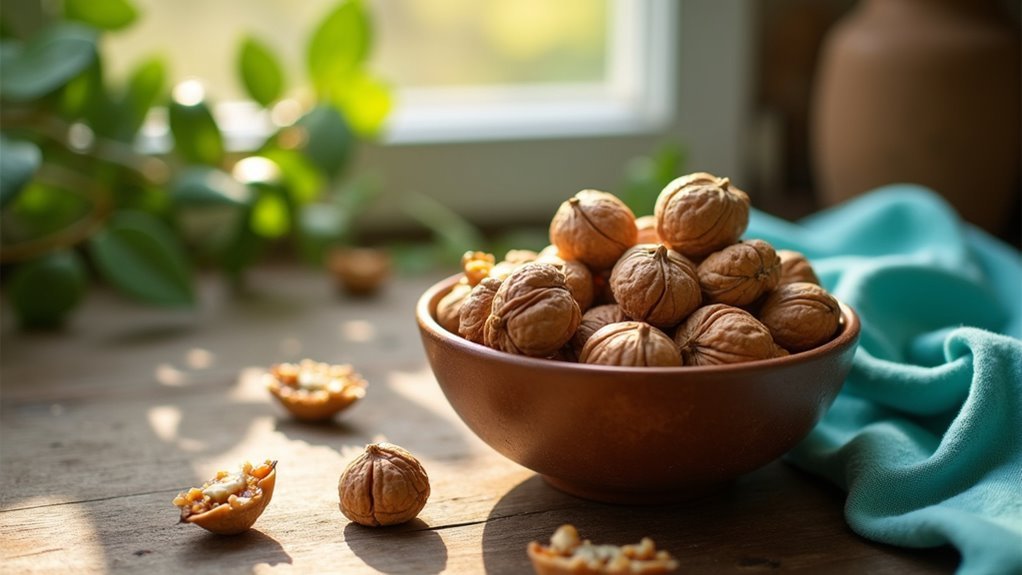
Walnuts stand out as exceptional circulation boosters, delivering an impressive 4.5 grams of arginine per cup alongside heart-protective omega-3 fatty acids. These nutrients work together to enhance blood vessel elasticity and promote ideal cardiovascular health.
| Walnut Benefits | Circulation Impact |
|---|---|
| High arginine content | Improves blood flow |
| Omega-3 fatty acids | Enhances vessel flexibility |
| Antioxidants | Reduces oxidative stress |
| Phytosterols | Supports heart health |
You’ll experience reduced inflammation and lower cholesterol levels when you regularly incorporate walnuts into your diet. The combination of arginine, antioxidants, and essential fatty acids creates a powerful trio that supports your heart’s function while reducing cardiovascular disease risk. Adding walnuts to meals provides extensive circulatory benefits beyond simple arginine supplementation.
Almonds: Heart-Healthy Arginine Sources
Almonds deliver 3.5 grams of arginine per cup while providing monounsaturated fats that complement walnuts’ omega-3 benefits for extensive cardiovascular health support.
These nuts excel at improving circulation through multiple pathways that enhance your heart’s performance.
Your daily almond intake offers extensive benefits:
- Arginine content supports nitric oxide production for improved blood vessel dilation
- Monounsaturated fats reduce bad cholesterol levels and promote arterial health
- Anti-inflammatory compounds decrease vessel inflammation for better blood flow
- Vitamin E antioxidant properties protect against oxidative stress in your circulatory system
Adding a small handful of almonds to your routine provides essential heart-healthy nutrients.
These nuts work synergistically with their arginine content to enhance circulation naturally, making them an excellent choice for cardiovascular wellness.
Pine Nuts: Concentrated Amino Acid Benefits
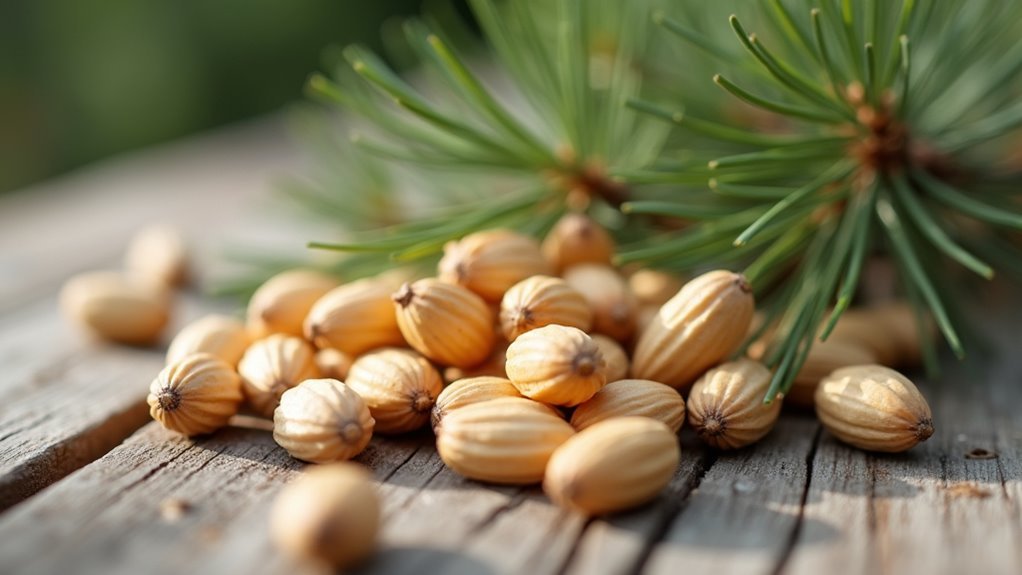
Although smaller than other nuts, pine nuts pack an impressive 3.3 grams of arginine per cup, delivering concentrated amino acid power that significantly boosts your circulation.
This arginine content helps your body produce nitric oxide, which relaxes blood vessels and improves blood flow throughout your system.
Beyond arginine, pine nuts offer healthy fats, magnesium, and vitamin K that support your overall heart health.
You’ll find these versatile nuts easy to incorporate into your diet—sprinkle them over salads, blend into pesto, or use as toppings for various dishes.
The combination of arginine, beneficial fats, and antioxidants in pine nuts creates a powerful trio for cardiovascular wellness.
Regular consumption provides essential nutrients while specifically targeting improved circulation and enhanced heart health.
Pumpkin Seeds: Plant-Based Circulation Boosters
You’ll find pumpkin seeds pack an impressive 7 grams of arginine per cup, making them one of the most potent plant-based sources for boosting circulation.
These nutrient-dense seeds don’t just deliver amino acids—they’re loaded with iron, zinc, healthy fats, and antioxidants that work together to support your vascular health.
When you snack on pumpkin seeds or add them to salads, you’re naturally enhancing nitric oxide production, which dilates your blood vessels and improves blood flow throughout your body.
Arginine Content and Benefits
Powerhouses of plant-based nutrition, pumpkin seeds deliver an impressive 6.905 grams of arginine per cup, ranking them among the top natural sources for circulation enhancement. This remarkable arginine content transforms into nitric oxide within your body, effectively relaxing and dilating blood vessels to improve blood flow throughout your cardiovascular system.
Beyond arginine’s circulation benefits, pumpkin seeds offer extensive cardiovascular health support through:
- Iron content that enhances oxygen transport
- Zinc levels supporting heart function
- Essential fatty acids promoting vessel flexibility
- Antioxidants protecting against oxidative stress
You’ll maximize these benefits by incorporating pumpkin seeds into salads, smoothies, or snacks.
Their nutrient density makes them an excellent addition to any circulation-focused diet, providing sustained cardiovascular health improvements while delivering the arginine your body needs for ideal blood flow.
Nutritional Profile Overview
Beyond their circulation-boosting arginine content, pumpkin seeds pack an impressive nutritional punch that supports overall cardiovascular health.
You’re getting approximately 6.905 grams of arginine per cup, making them an exceptional plant-based option for enhancing circulation. These nutrient-dense seeds deliver essential iron and zinc, which work alongside arginine to maintain ideal blood flow and immune function.
You’ll also benefit from their healthy fats and protein content, which contribute to satiety while supporting your cardiovascular system.
The combination of these nutrients helps your body produce nitric oxide, a compound that dilates blood vessels to improve blood flow.
When you incorporate pumpkin seeds into salads or trail mixes, you’re adding crunchy texture while maximizing your nutrient intake for better circulation.
Sesame Seeds: Tiny Seeds With Big Vascular Benefits
You’ll find that sesame seeds pack an impressive 4.875 grams of arginine per cup, making them one of nature’s most concentrated sources of this circulation-boosting amino acid.
Their rich antioxidant profile and healthy fats work together to enhance blood vessel elasticity while supporting your cardiovascular system through essential nutrients like calcium, magnesium, and vitamin E.
Understanding how much you should consume daily and the specific mechanisms behind their vascular benefits can help you maximize sesame seeds’ potential for improving your blood flow and overall circulation health.
Arginine Content Analysis
While sesame seeds might seem insignificant due to their tiny size, they pack an impressive 4.875 grams of arginine per cup, establishing them as one of the most concentrated sources of this circulation-boosting amino acid.
This remarkable arginine density makes sesame seeds particularly valuable for enhancing your cardiovascular health and optimizing blood flow throughout your body.
When you consume these nutrient-dense seeds, you’re supporting nitric oxide production, which directly combats inflammation and promotes vessel dilation.
Here’s what makes sesame seeds exceptional for circulation:
- High arginine concentration – Nearly 5 grams per cup maximizes vascular benefits
- Antioxidant lignans – Reduce oxidative stress affecting blood vessels
- Essential minerals – Calcium and magnesium support heart function
- Versatile incorporation – Easy addition to salads, smoothies, and baked goods
Circulation Enhancement Mechanisms
When sesame seeds enter your digestive system, they trigger a sophisticated cascade of vascular improvements that extends far beyond their impressive arginine content.
The 4.875 grams of arginine per cup directly stimulate nitric oxide production, which signals your blood vessels to dilate and improve circulation throughout your body.
Simultaneously, powerful antioxidants like sesamolins and sesamin reduce inflammation in your arterial walls, creating smoother pathways for enhanced blood flow.
The rich magnesium content works as a natural muscle relaxant, helping your blood vessels maintain ideal flexibility.
These nutrients work synergistically to improve your cardiovascular health, making sesame seeds an exceptional choice for supporting your circulatory system’s performance and long-term vascular function.
Daily Consumption Guidelines
Understanding these remarkable circulation benefits leads naturally to practical implementation strategies for your daily routine.
You’ll maximize arginine intake and vascular health by incorporating sesame seeds strategically into your daily diet.
Here’s your ideal consumption approach:
- Start with one ounce daily – approximately 2 tablespoons provides substantial arginine without overwhelming your system.
- Choose unhulled varieties – these retain maximum nutrients and antioxidants for enhanced circulation benefits.
- Add to existing meals – sprinkle on salads, blend into smoothies, or mix into yogurt for seamless integration.
- Time consumption consistently – establish a routine to guarantee steady arginine levels throughout the day.
This measured approach delivers approximately 0.6 grams of arginine per serving, supporting improved blood flow while providing essential healthy fats and antioxidants your cardiovascular system needs.
Pecans: Southern Nuts for Better Blood Flow
Pecans pack a powerful punch with approximately 3.2 grams of arginine per cup, making these Southern favorites an excellent choice for supporting healthy circulation. You’ll benefit from their rich antioxidant profile, which actively reduces inflammation throughout your body and promotes better blood flow.
| Nutrient | Benefit |
|---|---|
| Arginine | Supports circulation |
| Antioxidants | Reduces inflammation |
| Unsaturated fats | Improves heart health |
| Magnesium | Relaxes blood vessels |
| Fiber | Supports cholesterol management |
The unsaturated fatty acids in pecans work to lower your bad cholesterol levels while improving overall cardiovascular function. You’ll also get a healthy dose of magnesium, which helps relax your blood vessels and enhances blood flow. Regular pecan consumption can meaningfully reduce your heart disease risk when you include them in a balanced diet.
Daily Serving Recommendations for Maximum Benefits
You’ll maximize arginine’s circulation benefits by consuming 4 to 6 servings of unsalted nuts weekly, with each serving being approximately 1.5 ounces or a small handful.
Your daily portions should remain moderate due to nuts’ high calorie content, but you can spread these servings throughout the week as meals or snacks.
You’ll optimize results by varying your nut choices and timing consumption to maintain consistent arginine levels for sustained cardiovascular support.
Optimal Daily Nut Portions
Four to six servings of unsalted nuts weekly strikes the perfect balance for maximizing arginine intake while supporting cardiovascular health.
You’ll want to measure each serving as approximately 1.5 ounces or 2 tablespoons of nut butter to maintain proper portion control.
Effective strategies for optimizing your nut consumption include:
- Rotate varieties – Mix almonds, walnuts, and hazelnuts to access diverse protein profiles and health benefits.
- Choose raw or dry-roasted options – Skip oil-cooked or heavily salted varieties that diminish heart health advantages.
- Monitor calorie density – Since nuts pack significant calories, stick to recommended portions.
- Consult pediatricians for children – Kids require different serving sizes based on their growth needs.
This measured approach guarantees you’re getting adequate arginine for improved circulation without excessive calorie intake that could counteract the cardiovascular benefits you’re seeking.
Weekly Consumption Guidelines
Understanding proper portion sizes sets the foundation for creating a sustainable weekly nut consumption plan that maximizes arginine benefits. You should aim for 4 to 6 servings of nuts weekly to optimize heart health and circulation improvements. Each serving equals approximately 1.5 ounces or a small handful of whole nuts, or 2 tablespoons of nut butter.
Choose raw or dry-roasted varieties over oil-cooked options to preserve maximum nutritional value. Rotate between different nuts like almonds, walnuts, and hazelnuts throughout your week to guarantee diverse arginine intake and thorough nutrient profiles.
This weekly consumption pattern allows your body to consistently receive circulation-boosting compounds without excessive calorie intake. Remember, consistency matters more than perfection – maintaining this serving size schedule will deliver meaningful cardiovascular benefits over time.
Timing and Frequency
When you distribute your 4-6 weekly nut servings strategically throughout each day, you’ll maximize arginine absorption and maintain steady circulation benefits.
Your body processes arginine more effectively when you consume nuts at regular intervals rather than eating large amounts sporadically.
Consider these ideal timing strategies for cardiovascular health:
- Morning boost – Add nuts to oatmeal or yogurt to kickstart arginine levels
- Pre-workout snack – Consume a small handful 30 minutes before exercise for enhanced circulation
- Afternoon energy – Replace processed snacks with mixed nuts to sustain arginine intake
- Evening meal – Incorporate nuts into salads or dinner recipes for consistent consumption
Regular nut consumption throughout the week guarantees sustained arginine benefits, supporting long-term circulation improvements when maintained as part of your balanced diet.
Incorporating Arginine-Rich Nuts Into Your Diet
Because arginine plays an essential role in nitric oxide production and blood vessel dilation, adding arginine-rich nuts to your daily meals can markedly improve your circulation.
Adding arginine-rich nuts like almonds and walnuts to your meals can significantly boost circulation through enhanced nitric oxide production.
You’ll want to choose almonds and walnuts as your primary sources, since they contain substantial amounts of this crucial protein building block. Incorporating these nuts into your diet provides heart-healthy unsaturated fats that work synergistically with arginine to improve blood flow throughout your body.
You should consume about 1.5 ounces of unsalted nuts several times weekly to maximize heart health benefits.
Select raw or dry-roasted varieties over oil-cooked options to preserve essential amino acids and minimize unnecessary calories. Beyond arginine, you’re also getting fiber, vitamin E, and magnesium—nutrients that further enhance cardiovascular function and circulation.
Frequently Asked Questions
What Nuts Are Best for Blood Flow?
You’ll find peanuts offer the highest arginine content at 4.6 grams per cup, followed by walnuts at 4.522 grams. Hazelnuts, almonds, cashews, and pecans also boost circulation effectively through arginine.
Which Nut Is Highest in Arginine?
Pumpkin seeds contain the highest arginine concentration you’ll find among nuts, delivering approximately 6.905 grams per cup. You’re getting nearly 40% more arginine than watermelon seeds, which rank second.
Does Arginine Help Blood Circulation?
Yes, arginine greatly improves your blood circulation. It boosts nitric oxide production, which dilates your blood vessels and enhances blood flow. You’ll experience better cardiovascular function and potentially lower blood pressure with adequate arginine intake.
What Nuts Increase Nitric Oxide?
You’ll boost nitric oxide by eating walnuts, which contain high arginine levels. Almonds provide vitamin E for better bioavailability, while pecans offer arginine plus antioxidants. Mixed nuts including hazelnuts support circulation effectively.


Leave a Reply