

Fiber-rich nuts boost your digestive health by providing both soluble and insoluble fiber that work together to optimize your gut function. The soluble fiber acts as prebiotic fuel for beneficial bacteria, producing short-chain fatty acids that reduce inflammation and strengthen your colon health. Meanwhile, insoluble fiber adds bulk to stools and promotes regular bowel movements, preventing constipation. Almonds and pistachios offer the highest fiber content at 3.5 and 2.9 grams per ounce respectively, supporting extensive digestive wellness through enhanced nutrient absorption and improved gut barrier function.
Understanding the Fiber Content in Different Types of Nuts

Most nuts pack impressive amounts of dietary fiber that can greatly boost your digestive health. When you’re looking to increase your dietary fiber intake, almonds lead the pack with 3.5 grams per ounce, making them an excellent choice for maintaining a healthy gut.
Pistachios follow closely with 2.9 grams per ounce, while both pecans and hazelnuts provide 2.7 grams each. Even walnuts contribute 1.9 grams of fiber per ounce to support your digestive system.
These fiber amounts may seem modest, but they add up quickly when you include various nuts in your daily diet. By incorporating different types of fiber-rich nuts, you’ll create a powerful combination that promotes superior digestive health and keeps your gut functioning smoothly.
How Soluble Fiber in Nuts Supports Gut Bacteria Growth
When you eat nuts rich in soluble fiber, you’re providing essential fuel that beneficial gut bacteria use to thrive and multiply.
This prebiotic effect kickstarts your gut microbes’ production of short-chain fatty acids, powerful compounds that strengthen your colon health and fight inflammation throughout your digestive system.
You’ll fundamentally transform your gut into a more balanced ecosystem where healthy bacteria can flourish and protect your overall digestive wellness.
Prebiotic Fuel for Bacteria
How does the fiber in your favorite handful of almonds or walnuts transform into fuel for the microscopic workers in your gut? The soluble fiber acts as prebiotic fuel, feeding beneficial bacteria that maintain your gut health.
When you consume nuts, these fibers travel undigested to your colon, where they ferment and produce short-chain fatty acids. These compounds nourish colon cells and create an ideal environment for digestive wellness.
This prebiotic process increases your gut microbiota diversity, enhancing microbial activity that improves digestion and reduces inflammation.
Regular nut consumption strengthens bowel regularity and lowers your risk of gastrointestinal disorders. You’re fundamentally providing premium fuel that keeps your gut’s bacterial ecosystem thriving and your digestive system functioning at its best.
Short-Chain Fatty Acid Production
As beneficial bacteria feast on the soluble fiber from your daily nuts, they generate powerful short-chain fatty acids (SCFAs) that become your gut’s primary energy currency.
These SCFAs, particularly butyrate, fuel your colon cells while strengthening your intestinal barrier and reducing gut inflammation. When you consume fiber-rich nuts regularly, you’re fundamentally feeding beneficial gut bacteria that multiply and create a more diverse microbiome.
Higher SCFA levels directly correlate with improved gut health and considerably lower your risk of inflammatory bowel diseases.
These metabolites don’t just provide energy—they regulate your gut motility and enhance overall digestive health. By maintaining consistent nut consumption, you’re supporting continuous SCFA production that keeps your digestive system functioning effectively and protects against inflammatory conditions.
The Role of Insoluble Fiber in Promoting Regular Bowel Movements
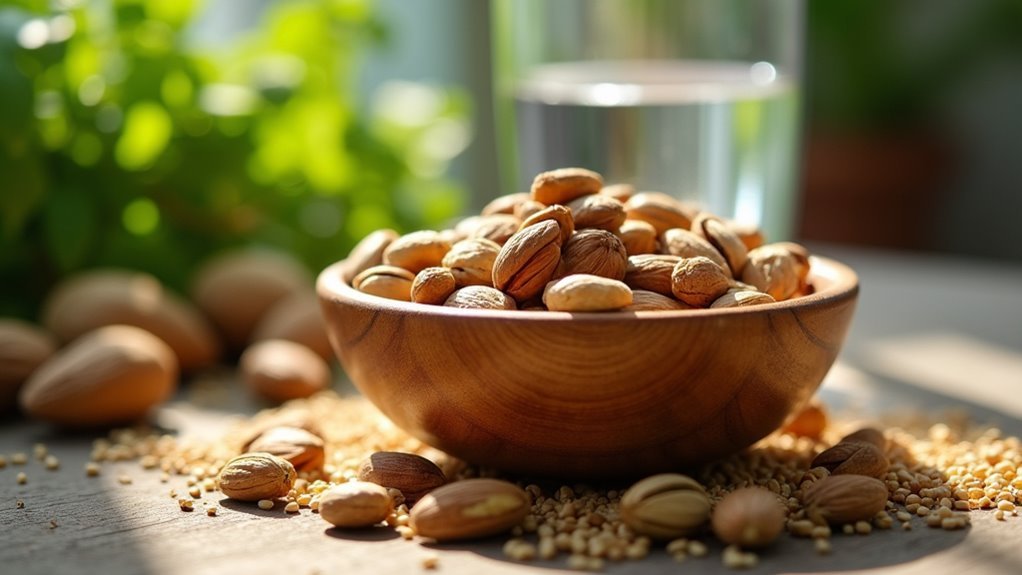
While soluble fiber often gets attention for its cholesterol-lowering benefits, insoluble fiber plays an equally important role in maintaining your digestive health through a different mechanism. Found abundantly in nuts like almonds and walnuts, insoluble fiber doesn’t dissolve in water, retaining its structure as it moves through your intestines. This creates bulk that speeds food passage and promotes regular bowel movements.
| Benefit | Impact |
|---|---|
| Stool bulk increase | Faster intestinal transit |
| Constipation prevention | Reduced hemorrhoid risk |
| Enhanced bowel regularity | Lower diverticulosis risk |
| Consistent fiber intake | Reduced risk of colorectal cancer |
You’ll need 25-38 grams of fiber daily for ideal digestive health. Incorporating fiber-rich nuts helps you meet these guidelines while greatly improving your bowel function and overall well-being.
Almonds and Their Impact on Digestive System Function
You’ll find that almonds pack an impressive 3.5 grams of fiber per ounce, making them a powerhouse for your digestive system’s daily needs.
This fiber content doesn’t just promote regular bowel movements—it actively feeds the beneficial bacteria in your gut, creating a healthier microbiome that supports your overall digestive function.
When you consume almonds regularly, you’re fundamentally giving your digestive system the tools it needs to operate more efficiently and maintain better regularity.
Almond Fiber Content Benefits
One ounce of almonds delivers approximately 3.5 grams of dietary fiber, making them a powerhouse for digestive health. This fiber content directly supports regular bowel movements by adding bulk to your stools and preventing constipation.
The soluble fiber in almonds feeds beneficial bacteria in your gut microbiome, enhancing overall digestive function and creating a healthier intestinal environment.
You’ll benefit from almonds’ dual fiber composition—both soluble and insoluble types work together to optimize your digestive system. The insoluble fiber facilitates smooth passage through your digestive tract, while soluble fiber slows sugar absorption, helping regulate your blood sugar levels.
Beyond fiber, almonds provide healthy fats, vitamins, and minerals that reduce inflammation and support your digestive wellness thoroughly.
Gut Bacteria Nourishment Effects
Beyond providing digestive bulk, almonds function as powerful prebiotics that directly fuel your gut’s beneficial bacteria. When you consume almonds, their soluble fiber ferments in your intestines, creating an ideal environment for healthy microorganisms to thrive.
| Bacterial Impact | Health Benefit | Timeline |
|---|---|---|
| Increased diversity | Enhanced digestive health | 2-4 weeks |
| SCFA production | Reduced inflammation | 1-2 weeks |
| Microbiome balance | Regular bowel movements | 3-7 days |
This prebiotic effect greatly boosts short-chain fatty acid production, particularly butyrate, which strengthens your intestinal lining and reduces gut inflammation. You’ll notice improved digestive health as the fiber in almonds promotes bacterial diversity. Regular almond consumption supports consistent gut bacteria populations, leading to better nutrient absorption and more predictable bowel movements.
Digestive Regularity Improvements
Three distinct mechanisms work together when almonds improve your digestive regularity, creating a thorough approach to bowel health.
First, the 3.5 grams of fiber per ounce adds bulk to your stool, making it easier to pass through your digestive tract. This insoluble fiber accelerates transit time and prevents constipation naturally.
Second, almonds’ prebiotic fiber feeds beneficial gut bacteria, strengthening your microbiome’s ability to process food efficiently. These microorganisms break down nutrients more effectively, supporting consistent bowel movements.
Third, regular almond consumption reduces gastrointestinal discomfort by regulating your digestive processes.
You’ll notice improved digestive health as almonds help you reach the recommended 25-38 grams of daily fiber, promoting predictable regularity and enhanced overall digestive function.
Walnuts as a Source of Omega-3 Fatty Acids and Fiber
Walnuts pack a powerful dual punch for digestive health, delivering both omega-3 fatty acids and substantial fiber content in every serving.
You’ll get approximately 2 grams of fiber per ounce, helping you achieve regular bowel movements and prevent constipation. The alpha-linolenic acid (ALA) in walnuts provides anti-inflammatory benefits that support your digestive tract and reduce gut inflammation.
When you include walnuts in your meals, you’re not just boosting fiber intake – you’re also feeding beneficial gut bacteria.
These nuts act as prebiotics, nourishing the microorganisms essential for maintaining balanced gut flora. This combination of omega-3 fatty acids and fiber makes walnuts particularly effective for thorough digestive wellness, helping you meet daily fiber recommendations while supporting overall gut health through multiple mechanisms.
How Cashews Contribute to Intestinal Health and Nutrient Absorption

Cashews offer unique advantages for your intestinal health beyond their fiber content, delivering approximately 0.9 grams of fiber per ounce alongside nutrients that specifically enhance digestion and nutrient absorption.
The fiber in cashews supports beneficial gut bacteria growth, creating an ideal environment for digestive health while promoting regular bowel movements that prevent constipation.
You’ll find that cashews’ healthy fats and proteins work alongside fiber to create sustained fullness, preventing overeating that can strain your digestive system.
The magnesium in cashews enhances muscle function throughout your digestive tract, facilitating smoother food processing. This slower digestive process allows your intestines more time for thorough nutrient absorption, maximizing the nutritional benefits from everything you eat while supporting overall gut wellness.
Pecans and Their Prebiotic Effects on Gut Microbiome
You’ll find that pecans pack an impressive 9 grams of fiber per 100 grams, making them powerful allies for your digestive system.
This fiber doesn’t just promote regular bowel movements—it acts as a prebiotic that feeds your beneficial gut bacteria and helps them thrive.
When you eat pecans regularly, you’re fundamentally cultivating a diverse, healthy microbiome that enhances your gut’s ability to produce energy-rich compounds called short-chain fatty acids.
Pecans’ Fiber Content Profile
Pecans stand out as a nutritional powerhouse, delivering an impressive 9.6 grams of dietary fiber per 100-gram serving that directly supports your digestive system’s daily operations.
This substantial fiber content transforms how your body processes food, with soluble fiber working to regulate blood sugar levels while promoting cardiovascular wellness through cholesterol management.
When you consume pecans regularly, you’re feeding beneficial gut bacteria that thrive on prebiotic compounds. This fiber adds necessary bulk to your stools, ensuring smooth digestive transit and preventing constipation.
- Weight Management: High fiber increases satiety, reducing overall calorie consumption
- Blood Sugar Control: Soluble fiber slows glucose absorption for stable energy levels
- Gut Microbiome: Prebiotic properties nourish diverse bacterial populations
- Digestive Health: Bulk-forming fiber promotes regular, comfortable bowel movements
Gut Bacteria Enhancement
When you incorporate pecans into your daily diet, the fiber acts as a powerful prebiotic fuel that selectively nourishes beneficial bacteria strains like Bifidobacterium and Lactobacillus in your gut microbiome.
These pecans create an ideal environment for healthy gut bacteria to thrive and multiply, strengthening your digestive health from within. As these beneficial microorganisms ferment the prebiotic fiber, they produce essential short-chain fatty acids that energize your colon cells and reduce inflammatory responses throughout your digestive tract.
You’ll experience improved microbiome diversity when consuming pecans regularly, which directly correlates with enhanced digestion and reduced risk of gastrointestinal disorders.
This synergistic relationship between pecans’ fiber content and your gut bacteria establishes a foundation for long-term digestive wellness.
Prebiotic Mechanisms Explained
As dietary fiber reaches your colon undigested, pecans’ unique dual-fiber composition triggers distinct prebiotic pathways that transform your gut environment.
The soluble fiber acts as a prebiotic fuel source, selectively nourishing beneficial gut bacteria while promoting their growth and activity. This targeted feeding creates a thriving healthy gut microbiome that enhances your digestive health.
When these bacteria ferment pecan fiber, they produce short-chain fatty acids that strengthen your intestinal barrier and reduce inflammation. This process establishes a self-sustaining cycle of gut wellness.
- Soluble fiber selectively feeds beneficial bacteria strains
- Fermentation produces inflammation-fighting short-chain fatty acids
- Enhanced bacterial diversity improves overall digestive function
- Strengthened intestinal barrier protects against harmful pathogens
Brazil Nuts: Selenium Content and Digestive Benefits
Among all nuts, Brazil nuts stand out as nutritional powerhouses that deliver extraordinary selenium content alongside impressive digestive benefits. You’ll get over 100% of your daily selenium needs from just one nut, supporting your immune response and reducing digestive tract inflammation.
| Nutrient Component | Digestive Function | Daily Impact |
|---|---|---|
| Selenium | Reduces inflammation | 100%+ RDI per nut |
| Fiber | Promotes bowel regularity | Prevents constipation |
| Healthy fats | Enhances satiety | Supports balanced diet |
| Protein | Maintains gut bacteria | Improves microbiome |
The fiber content adds bulk to your stool, promoting bowel regularity while preventing constipation. You’ll also benefit from healthy fats and protein that enhance satiety and support beneficial gut bacteria, creating an ideal environment for digestive health.
The Fermentation Process of Nut Fiber in the Large Intestine
Brazil nuts provide immediate digestive benefits, but the real magic happens when nut fiber reaches your large intestine and begins fermenting.
Your beneficial gut bacteria break down soluble fiber from nuts like almonds and walnuts, creating short-chain fatty acids that fuel colon cells and reduce inflammation. This fermentation process transforms indigestible fiber into powerful compounds that strengthen your intestinal barrier and promote digestive health.
The fermentation benefits include:
- SCFA production – Butyrate and other fatty acids energize colon cells and fight inflammation
- Microbiome balance – Healthy bacteria flourish while harmful bacteria get suppressed
- Increased stool bulk – Fermented fiber adds volume and improves bowel regularity
- Enhanced barrier function – Strengthened intestinal lining protects against digestive issues
Short-Chain Fatty Acid Production From Nut Consumption
When gut bacteria ferment the fiber you consume from nuts, they produce three primary short-chain fatty acids that revolutionize your digestive health: butyrate, propionate, and acetate. These powerful compounds serve as fuel for your colon cells, strengthening your gut lining and reducing inflammation throughout your digestive system.
| SCFA Type | Primary Function | Health Benefits |
|---|---|---|
| Butyrate | Colon cell energy | Anti-inflammatory effects |
| Propionate | Metabolic regulation | Appetite control |
| Acetate | Gut barrier support | Microbiome balance |
| Combined effect | Enhanced gut health | Pathogen inhibition |
| Overall impact | Improved digestion | Weight management support |
Regular nut consumption increases beneficial bacteria populations while inhibiting harmful pathogens. This enhanced production of short-chain fatty acids creates a healthier gut environment, supporting your overall digestive health and metabolic function.
Daily Serving Recommendations for Fiber-Rich Nuts
Understanding how nuts boost your digestive health through short-chain fatty acid production naturally leads to the question of ideal daily intake.
You’ll want to aim for about 1 ounce (28 grams) of fiber-rich nuts daily to optimize your digestive health benefits. This serving size provides significant dietary fiber while delivering essential nutrients and healthy fats your body needs.
Here’s what you should know about daily serving recommendations:
- Almonds and pistachios offer the highest fiber content at 3.5 grams and 3 grams per ounce respectively
- Walnuts contribute approximately 2 grams of fiber per serving
- Daily fiber intake goals of 25-38 grams for adults can be supported through nut consumption
- Variety matters – rotating different nuts maximizes digestive benefits and nutrient diversity
Combining Nuts With Other High-Fiber Foods for Maximum Benefits
You can amplify your digestive health benefits by strategically pairing fiber-rich nuts with other high-fiber foods rather than eating them alone.
When you combine almonds or walnuts with whole grains, legumes, or fiber-packed vegetables, you’re creating powerful synergistic effects that enhance nutrient absorption and promote better gut function.
This smart food pairing approach doesn’t just boost your total fiber intake—it maximizes how effectively your digestive system processes and benefits from each component.
Strategic Food Pairing
Strategic combinations of fiber-rich nuts with complementary foods can dramatically amplify your digestive benefits while creating more satisfying meals.
When you pair nuts with whole grains, fruits, legumes, and vegetables, you’ll maximize both soluble and insoluble fiber intake while supporting ideal digestive health.
These strategic pairings help you reach the recommended 25-38 grams of daily fiber, promoting regular bowel movements and enhanced gut function:
- Mix almonds or walnuts with oatmeal and berries for a fiber-packed breakfast
- Combine chickpeas and nuts in salads for balanced protein and fiber
- Add nuts to brown rice dishes for increased nutrient density
- Pair nuts with broccoli or Brussels sprouts for maximum fiber impact
You’ll experience improved satiation, better blood sugar regulation, and significant health benefits from these thoughtful combinations.
Synergistic Digestive Benefits
When you combine fiber-rich nuts with other high-fiber foods, you’ll create powerful synergistic effects that amplify your digestive benefits far beyond what each food provides alone.
Pairing almonds and walnuts with fruits and whole grains delivers both soluble fiber and insoluble fiber, enhancing your digestive health through complementary mechanisms.
The healthy fats in nuts improve absorption of fat-soluble vitamins from high-fiber companions, while simultaneously increasing meal satiety to prevent overeating.
This combination feeds your gut microbiome’s beneficial bacteria, promoting fermentation that produces short-chain fatty acids essential for gut integrity.
You’ll experience improved bowel regularity as the increased stool bulk moves more efficiently through your system.
This strategic pairing greatly reduces risks of constipation and diverticulitis while supporting peak digestive function.
Managing Digestive Sensitivity When Adding Nuts to Your Diet
Although nuts offer exceptional fiber benefits, introducing them into your diet requires careful consideration if you have digestive sensitivity. Sudden increases in nut consumption can trigger gastrointestinal discomfort like bloating and gas.
However, you can minimize these issues through strategic approaches.
Strategic planning and gradual implementation can effectively reduce digestive discomfort when adding fiber-rich nuts to your daily eating routine.
Start with smaller portions—just a handful initially—allowing your digestive system to gradually adapt. Soaking or roasting nuts reduces anti-nutrients, improving digestibility and fiber absorption.
Proper hydration is essential, as water helps fiber move smoothly through your digestive tract and prevents constipation.
- Start with small portions and gradually increase intake
- Soak or roast nuts to improve digestibility
- Drink plenty of water alongside nut consumption
- Consult healthcare professionals if you have IBS or specific digestive conditions
Scientific Research on Nuts and Long-Term Digestive Health Outcomes
Beyond these practical strategies for incorporating nuts safely into your routine, extensive scientific research reveals compelling evidence about nuts’ long-term impact on digestive wellness.
Studies show that regular nut consumption markedly reduces your risk of developing gastrointestinal disorders. The American Journal of Clinical Nutrition confirms that nuts’ high fiber content promotes regular bowel movements and prevents constipation.
You’ll benefit from nuts’ prebiotic properties, which nourish your gut microbiota and reduce inflammation throughout your digestive system. Meta-analyses demonstrate that consistent nut eaters experience fewer digestive issues compared to non-consumers.
Long-term research indicates that nuts strengthen your gut barrier function, creating a healthier microbiome that supports overall digestive health and protects against chronic diseases.
Frequently Asked Questions
Why Does Fiber Improve Digestion?
Fiber improves your digestion by adding bulk to stools, making them easier to pass through your digestive tract. It prevents constipation, stimulates bowel movements, and feeds beneficial gut bacteria.
What Does Eating Nuts Do to Your Digestive System?
Eating nuts adds bulk to your stool and helps it move through your digestive tract more easily. They’ll also feed beneficial gut bacteria and reduce inflammation that’s causing digestive discomfort.
How Does Fiber Clean Your Intestines?
Fiber cleans your intestines by adding bulk to stools and absorbing water to soften waste. It speeds food passage, prevents constipation, and feeds beneficial gut bacteria that maintain healthy colon cells.
Does Fiber Speed up Digestion?
Fiber doesn’t directly speed up digestion, but it’ll promote regular bowel movements by adding bulk to your stool and helping it move through your digestive tract more efficiently.


