

When you eat potassium-rich nuts regularly, you’re providing your heart with essential minerals that regulate electrical impulses and maintain steady, healthy heart rhythms. Potassium helps your heart muscle cells contract and relax efficiently while preventing dangerous arrhythmias. Nuts like pistachios (291mg per ounce), almonds (208mg), and walnuts (125mg) deliver significant potassium along with heart-protective fats and fiber. This powerful combination supports peak cardiovascular function and helps you achieve the recommended 3,500-5,000mg daily potassium intake for maximum heart health benefits.
Understanding Heart Rhythm and Electrical Activity
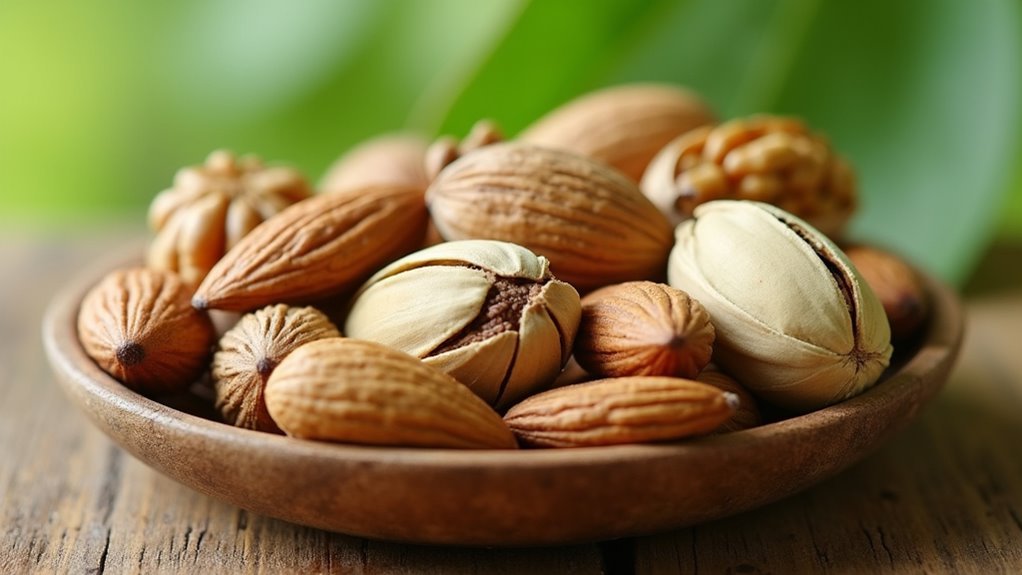
When your heart beats steadily in your chest, it’s because specialized cells in the sinoatrial node are firing electrical impulses that act as your body’s natural pacemaker. This electrical activity controls your heart’s rhythm, ensuring blood circulates efficiently throughout your body. When these impulses function properly, your heart pumps effectively to meet your body’s demands.
However, disrupted electrical activity can cause arrhythmias, leading to serious complications like palpitations, fainting, or sudden cardiac arrest. Your heart’s electrical stability depends heavily on maintaining proper electrolyte balance, particularly potassium levels.
Potassium regulates fluid balance and supports muscle and nerve function, including cardiac muscle contraction. Without adequate potassium, your heart health suffers as electrical activity becomes unstable, emphasizing why this mineral is essential for cardiovascular wellness.
The Science Behind Potassium’s Role in Cardiac Function
Your heart’s electrical system depends on potassium to maintain steady, coordinated beats that pump blood efficiently throughout your body.
When you consume potassium-rich nuts, you’re supporting your cardiovascular system’s ability to regulate blood pressure by balancing sodium levels and promoting healthy vessel function.
This mineral acts as a natural guardian against dangerous arrhythmias by ensuring your heart cells maintain proper electrical activity and prevent the chaotic rhythms that can lead to serious cardiac events.
Electrical Signal Regulation
As your heart beats approximately 100,000 times each day, potassium helps regulate the electrical signals that control this essential rhythm. This crucial mineral maintains the delicate electrolyte balance your cardiovascular system needs for proper cardiac function.
When potassium facilitates the repolarization phase of cardiac action potentials, it stabilizes your heart rhythm and prevents dangerous arrhythmias from developing.
Your bloodstream’s potassium concentration directly influences how well your heart responds to electrical impulses, effectively controlling both heart rate and rhythm. Research consistently shows that adequate potassium intake considerably lowers your risk of irregular heartbeats, with potassium-rich diets improving cardiac electrical activity.
Beyond electrical regulation, potassium supports the contraction and relaxation of your heart muscles, ensuring ideal rhythm stability and promoting overall cardiovascular health throughout your life.
Blood Pressure Control
While electrical signals control your heart’s rhythm, potassium’s most profound cardiovascular benefit lies in its ability to regulate blood pressure through sophisticated physiological mechanisms.
When you consume potassium-rich foods like nuts, you’re actively counteracting sodium’s hypertensive effects while promoting vasodilation. This dual action reduces arterial pressure and decreases strain on your cardiovascular system.
Studies demonstrate that increased potassium intake can lower systolic blood pressure by over 10 points in people with high blood pressure. The American Heart Association recommends 3,500 to 5,000 mg daily for ideal management.
Arrhythmia Prevention Mechanisms
Beyond managing blood pressure, potassium orchestrates the intricate electrical symphony that keeps your heart beating steadily. This essential mineral regulates electrical signals within your cardiac muscle cells, preventing dangerous arrhythmias from disrupting your heart’s rhythm.
When you maintain adequate potassium levels, you’re ensuring your heart contracts and relaxes efficiently with each beat. Your heart’s electrical system depends on potassium to maintain proper signal transmission between cells.
Research demonstrates that higher potassium intake considerably improves heart rhythm stability, reducing your risk of developing rhythm disorders. The mineral counterbalances sodium’s effects, creating ideal conditions for cardiac function.
When you consume potassium-rich nuts like almonds and pistachios, you’re providing your heart with the fuel it needs to maintain consistent, healthy electrical activity throughout your cardiovascular system.
Top Potassium-Rich Nuts for Heart Health
When you’re looking to boost your heart health through nutrition, certain nuts stand out as exceptional sources of potassium that can greatly benefit your cardiovascular system.
Pistachios lead the pack with impressive potassium levels of 291 mg per ounce, supporting stable heart rhythms. Almonds follow closely with 208 mg per ounce, helping lower blood pressure naturally.
Pistachios and almonds deliver the highest potassium content among nuts, making them top choices for cardiovascular health support.
Walnuts provide 125 mg per ounce plus alpha linoleic acid, which reduces inflammation and promotes heart healthy function. While pecans contain slightly less potassium at 116 mg per ounce, they effectively lower LDL (bad cholesterol) levels.
You’ll maximize benefits by incorporating this variety of nuts into your daily diet, as they also provide beneficial unsaturated fats and fiber.
Almonds: Powerhouse for Cardiovascular Support

Among these heart-healthy options, almonds deserve special attention for their remarkable cardiovascular benefits that extend far beyond their potassium content.
You’ll get approximately 208 mg of potassium per ounce, helping regulate your blood pressure and maintain stable heart rhythm.
But almonds offer much more for your heart health. They’re packed with Vitamin E, which prevents arterial plaque development, and magnesium and fiber that actively lower your cholesterol levels.
When you consume almonds regularly, you’ll reduce LDL cholesterol and inflammation linked to cardiovascular disease.
Walnuts and Their Impact on Heart Rhythm Stability
While almonds excel in multiple cardiovascular areas, walnuts specifically target heart rhythm stability through their unique concentration of alpha-linolenic acid (ALA), an omega-3 fatty acid that directly combats inflammation and supports your heart’s electrical system.
Walnuts’ concentrated alpha-linolenic acid directly supports your heart’s electrical system, making them superior for cardiovascular rhythm stabilization.
You’ll markedly reduce your risk of arrhythmias by incorporating walnuts into your daily diet. These nuts effectively lower LDL cholesterol levels, creating ideal conditions for steady heartbeats.
Each serving delivers substantial potassium, which regulates heart function and maintains consistent rhythm patterns.
Beyond their impressive nutrient profile, walnuts provide powerful antioxidants that shield your heart cells from oxidative damage.
This thorough protection makes walnuts essential for anyone prioritizing heart health and seeking natural rhythm stabilization through nutrition.
Pistachios: Small Nuts With Big Heart Benefits
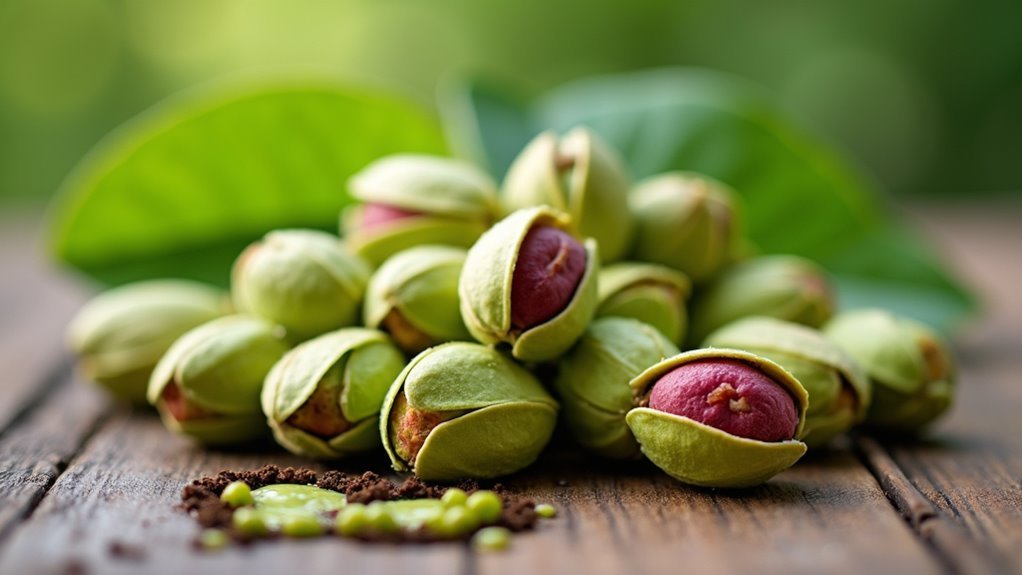
Pistachios pack an impressive nutritional punch that rivals their larger nut counterparts in cardiovascular protection. You’ll get about 290 mg of potassium per ounce, which helps regulate your blood pressure and maintain proper heart rhythm.
These small nuts deliver healthy monounsaturated fats that actively reduce your LDL cholesterol levels, lowering heart disease risk.
Your heart benefits from pistachios’ rich antioxidant content, which fights inflammation and oxidative stress throughout your cardiovascular system. Research shows that adding pistachios to your heart-healthy diet improves overall heart function and reduces arrhythmia risk.
You’ll also gain fiber that supports cholesterol management while promoting healthy digestion. When you’re looking for heart health support, pistachios offer concentrated nutrition in a convenient, portable package.
How Potassium Helps Prevent Arrhythmias
Your heart relies on potassium to maintain its steady electrical impulses, which directly control each heartbeat.
When you don’t get enough potassium, these electrical signals can become erratic, leading to dangerous arrhythmias that disrupt your heart’s natural rhythm.
Potassium Regulates Heartbeat
When your heart beats, it relies on precise electrical signals to maintain a steady rhythm, and potassium plays a vital role in conducting these signals properly. This essential mineral acts as an electrical conductor within your heart muscle cells, ensuring each contraction happens at the right time.
Without adequate potassium levels, your heart’s electrical system can misfire, leading to irregular beats or arrhythmias.
Potassium also helps balance fluids and electrolytes throughout your cardiovascular system. This balance is essential for maintaining consistent heart rhythm patterns.
Additionally, potassium works to counteract sodium’s negative effects, which can disrupt your heart’s natural pacemaker. When you maintain proper potassium intake through nuts, you’re supporting your heart’s ability to lower blood pressure while keeping beats regular and strong.
Preventing Irregular Rhythms
Since arrhythmias occur when your heart’s electrical signals become disrupted, maintaining adequate potassium levels becomes critical for preventing these dangerous irregular rhythms. This essential mineral helps stabilize your heart’s electrical activity, reducing the likelihood of irregular heartbeats that can threaten your health.
Potassium supports heart rhythm stability through several mechanisms:
- Balances electrolytes that control heart muscle contractions and prevent electrical disruptions
- Counteracts sodium’s effects that can increase blood pressure and stress your cardiovascular system
- Reduces arrhythmia incidence particularly in people with existing heart conditions
- Maintains proper electrical conduction throughout your heart muscle tissue
When you consume potassium-rich nuts like almonds and pistachios, you’re providing your heart with the nutrients needed to maintain steady, regular rhythms while supporting overall cardiovascular function.
Balancing Sodium and Potassium for Optimal Heart Function
Although sodium often gets labeled as the villain in heart health discussions, the real key lies in achieving the right balance between sodium and potassium in your body. When you increase your potassium intake through nuts like pistachios and almonds, you’re actively helping your kidneys excrete excess sodium through urine.
The secret to heart health isn’t avoiding sodium—it’s balancing it with potassium-rich nuts like pistachios and almonds.
This process directly counteracts high sodium diets that damage your cardiovascular system. Your heart health depends on maintaining proper electrolyte balance for stable rhythms.
Potassium-rich nuts help regulate blood pressure by balancing these essential minerals. You’ll need approximately 4,700 milligrams of potassium daily for ideal cardiovascular function.
Regular consumption of these nuts considerably reduces your risk of heart attacks and strokes while preventing dangerous arrhythmias that occur when electrolytes become imbalanced.
Daily Potassium Requirements and Nut Consumption Guidelines
You need 4,700 milligrams of potassium daily to support ideal heart function, with higher requirements during pregnancy and breastfeeding.
A one-ounce serving of potassium-rich nuts like pistachios provides approximately 290 mg toward this goal while delivering healthy fats and protein.
Sticking to proper serving sizes helps you balance potassium intake with caloric consumption, making nuts an efficient tool for meeting your daily requirements.
Recommended Daily Potassium Intake
When it comes to maintaining ideal heart health, understanding your daily potassium requirements becomes essential for making informed dietary choices. The recommended daily potassium intake varies based on your individual needs and circumstances.
Here’s what you should know about daily potassium targets:
- General recommendation: Healthy adults need 4,700 milligrams daily through potassium-rich foods.
- Men’s requirements: Approximately 3,400 mg per day for peak function.
- Women’s needs: Around 2,600 mg daily, with increased amounts during pregnancy and breastfeeding.
- Nut contribution: One ounce of pistachios provides about 300 mg toward your goal.
Including various potassium-rich nuts in your diet supports proper heart rhythm and cardiovascular function.
Always consult your healthcare provider before considering supplements, especially if you have kidney issues or take medications affecting potassium levels.
Nut Serving Size Guidelines
Three key factors determine ideal nut serving sizes for maximizing potassium benefits while maintaining heart health: portion control, caloric balance, and nutrient density.
You’ll want to stick with one-ounce servings to enhance your potassium intake without consuming excessive calories. This portion provides substantial nutrients while fitting into a healthy diet framework.
| Nut Type | Potassium (mg/oz) | Serving Size |
|---|---|---|
| Pistachios | 280 | 1 ounce (49 kernels) |
| Almonds | 200 | 1 ounce (23 nuts) |
| Walnuts | 125 | 1 ounce (14 halves) |
Since nuts are calorie-dense, you can’t rely on them alone to meet the 4,700 mg daily potassium requirement. Instead, incorporate various nuts into your routine alongside other potassium-rich foods for maximum cardiovascular support.
Research Findings on Nuts and Heart Rhythm Health
Since researchers have consistently linked potassium intake to cardiovascular health, they’ve focused extensive attention on nuts as a dietary intervention for heart rhythm stability.
Scientific studies reveal compelling evidence that regular nut consumption markedly improves heart health outcomes through multiple mechanisms.
Key research findings demonstrate nuts’ cardiovascular benefits:
- Arrhythmia Prevention: Potassium-rich nuts help maintain proper electrical conduction in your heart, reducing irregular rhythm occurrences.
- Blood Pressure Regulation: Studies show consistent nut consumption lowers blood pressure, supporting stable heart function.
- Inflammation Reduction: Research indicates nuts decrease cardiovascular inflammation markers that can disrupt normal rhythm patterns.
- Cholesterol Improvement: Clinical trials reveal nuts improve cholesterol profiles, contributing to overall heart rhythm stability.
Specific varieties like walnuts and pistachios show particularly strong results due to their combined potassium content and beneficial fatty acids.
Incorporating Heart-Healthy Nuts Into Your Diet
After understanding nuts’ proven cardiovascular benefits, you’ll want to strategically add these potassium powerhouses to your daily routine.
Start with a 1.5-ounce serving of mixed nuts daily to optimize your heart-healthy diet. Pistachios deliver 280 mg of potassium per ounce, making them excellent for supporting blood pressure regulation.
You can easily incorporate almonds into morning oatmeal or yogurt, while walnuts work perfectly in salads and baked goods. Keep portion-controlled servings readily available as convenient snacks between meals.
Choose unsalted varieties to maximize cardiovascular benefits without excess sodium. Mix different nuts throughout the week to guarantee varied potassium intake and prevent dietary monotony.
This simple dietary addition provides essential nutrients while actively supporting your heart’s electrical stability and overall cardiovascular function.
Monitoring Heart Health While Increasing Nut Intake
While adding potassium-rich nuts to your diet offers significant cardiovascular benefits, you’ll need to monitor your heart health carefully during this dietary shift.
Tracking your body’s response guarantees you’re maximizing benefits while avoiding potential complications.
Essential monitoring steps include:
- Regular blood pressure checks to assess how increased potassium intake affects your cardiovascular system.
- Potassium level testing through routine blood work, especially if you have kidney problems or take medications.
- Portion tracking to prevent excessive caloric intake that could negatively impact heart health.
- Professional consultations with your healthcare provider to evaluate interactions with existing conditions.
Pay special attention if you have kidney problems, as they can affect potassium processing.
Your doctor can help establish safe consumption levels and monitoring schedules tailored to your specific health needs.
Frequently Asked Questions
How Does Potassium Help Heart Rhythm?
Potassium regulates your heart’s electrical impulses, controlling each heartbeat’s timing. You’ll maintain proper muscle contractions when you’ve got adequate levels, preventing dangerous arrhythmias and keeping your cardiovascular system functioning smoothly and regularly.
How Do Nuts Improve Heart Health?
You’ll lower your LDL cholesterol and reduce inflammation when you eat nuts regularly. Their healthy fats, potassium, and magnesium work together to regulate your blood pressure and heart rhythm, greatly cutting your heart attack risk.
What Does High Potassium Do for the Heart?
High potassium helps your heart maintain proper electrical conductivity and rhythm. It balances electrolytes, supports muscle contractions, and promotes vasodilation, which relaxes blood vessels and reduces strain on your heart muscle.
What Minerals Regulate Heart Rhythm?
You’ll need four key minerals to regulate your heart rhythm: potassium, magnesium, calcium, and sodium. They work together controlling electrical signals and muscle contractions that keep your heartbeat steady and strong.


