

You’ll want to aim for 75-90 mg of vitamin C daily for basic immune function, but increasing to 1,000-2,000 mg during stress or illness can greatly boost your white blood cell production. Focus on bioavailable sources like red bell peppers (190 mg per cup), strawberries, and broccoli rather than relying solely on citrus fruits. When whole foods fall short, consider liposomal vitamin C supplements taken with meals for superior absorption and maximum immune protection throughout your day.
Optimal Daily Vitamin C Dosage for Maximum Immune Protection

While most adults know they need Vitamin C for basic health, you’ll want to understand the specific dosages that provide peak immune protection.
The recommended daily intake starts at 75 mg for women and 90 mg for men, but ideal immune system support requires higher amounts. You can safely increase your daily intake up to 2,000 mg during stress or illness periods.
During times of stress or illness, boosting your vitamin C intake to 2,000 mg daily provides superior immune protection beyond basic requirements.
High doses enhance white blood cells production, strengthening your body’s infection-fighting capabilities. Focus on bioavailable sources through fresh fruits and vegetables, consuming them raw when possible.
Consider supplements like liposomal Vitamin C for enhanced absorption, especially during cold seasons when your immune system needs extra support.
Best Natural Sources of Vitamin C to Strengthen Your Defense System
Nature’s pharmacy offers an abundance of vitamin C-rich foods that’ll supercharge your immune system far beyond what basic supplements can provide. These natural sources deliver powerful health benefits while supporting your body’s defense mechanisms.
| Food Source | Vitamin C Content | Key Benefits |
|---|---|---|
| Red Bell Peppers | 190 mg per cup | Highest vitamin C content, antioxidants |
| Strawberries | 89 mg per cup | Delicious taste, immune enhancement |
| Broccoli | 81 mg per cooked cup | Vitamins A, K, immune support |
| Kiwi | 71 mg per medium fruit | Antioxidants, dietary fiber |
| Citrus Fruits | 70 mg per orange | Traditional immune boosters |
Incorporating these vitamin C powerhouses into your daily routine guarantees prime immune system function while providing essential nutrients that work synergistically to strengthen your defense system naturally.
Smart Supplementation Strategies When Food Sources Fall Short
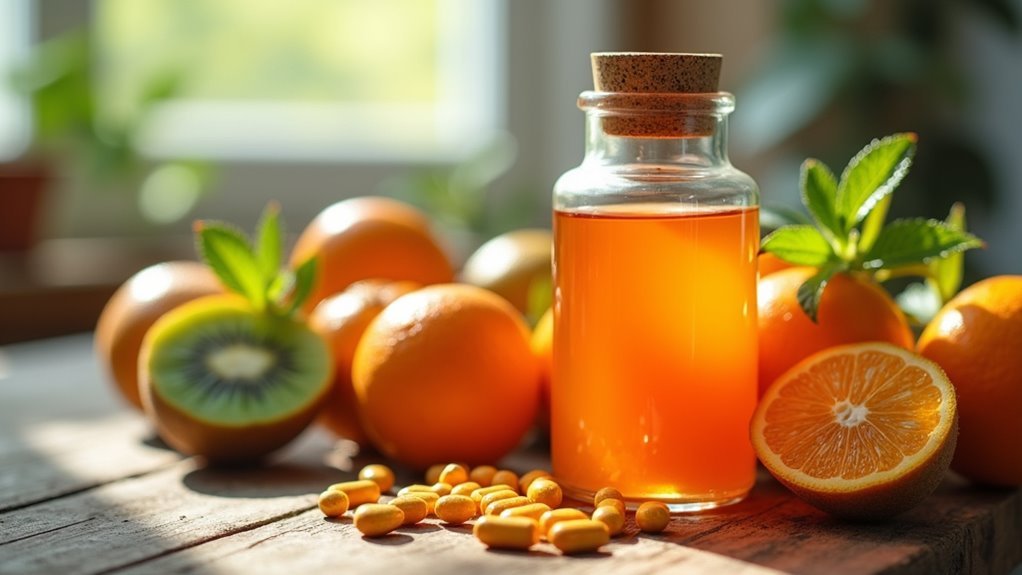
Although natural food sources provide the ideal foundation for vitamin C intake, your busy lifestyle or dietary restrictions might prevent you from consistently meeting your daily requirements through whole foods alone.
When food sources fall short, smart supplementation becomes essential. The recommended daily intake varies—75 mg for women and 90 mg for men—but you’ll often need more during stress or illness.
Take vitamin C supplements with meals to enhance absorption and minimize gastrointestinal discomfort. Liposomal vitamin C offers superior bioavailability for optimal immune system support.
During challenging periods, you can safely increase daily supplementation to 1,000 mg or more, but never exceed the upper limit of 2,000 mg to avoid adverse effects like diarrhea.
Frequently Asked Questions
How Much Vitamin C per Day to Boost Immune System?
You’ll need 75-90 mg daily for basic immune support, but during stress or illness, you can increase to 1,000 mg. Don’t exceed 2,000 mg to avoid stomach upset.
How Can I Get 100% of Vitamin C Daily?
You can reach 100% daily vitamin C by eating one medium guava, cup of strawberries, or half-cup of red bell peppers. Include oranges, kale, and other fresh fruits while avoiding cooking to preserve nutrients.
Will Taking Vitamin C Help My Immune System?
Yes, you’ll boost your immune system by taking vitamin C. It enhances white blood cell production and function, strengthens your gut lining, and provides antioxidant protection against infections and oxidative stress.
Is It Okay to Drink Vitamin C 3 Times a Day?
Yes, you can safely drink vitamin C three times daily since it’s water-soluble and doesn’t store in your body. Just guarantee you’re staying within the 2,000 mg daily limit to avoid digestive issues.


Leave a Reply