

Ginger root heals your stomach inflammation through gingerol, its powerful bioactive compound that creates a protective barrier around your stomach lining while reducing pro-inflammatory cytokines at the cellular level. You’ll experience enhanced gastric motility that speeds food movement and minimizes acid exposure, while ginger’s antioxidant properties combat oxidative stress and promote gastric mucosa repair. Clinical studies show 1.5-2 grams daily effectively reduces inflammation markers and alleviates digestive discomfort, making it nature’s proven remedy for lasting stomach healing and ideal digestive wellness.
The Science Behind Ginger’s Anti-Inflammatory Properties
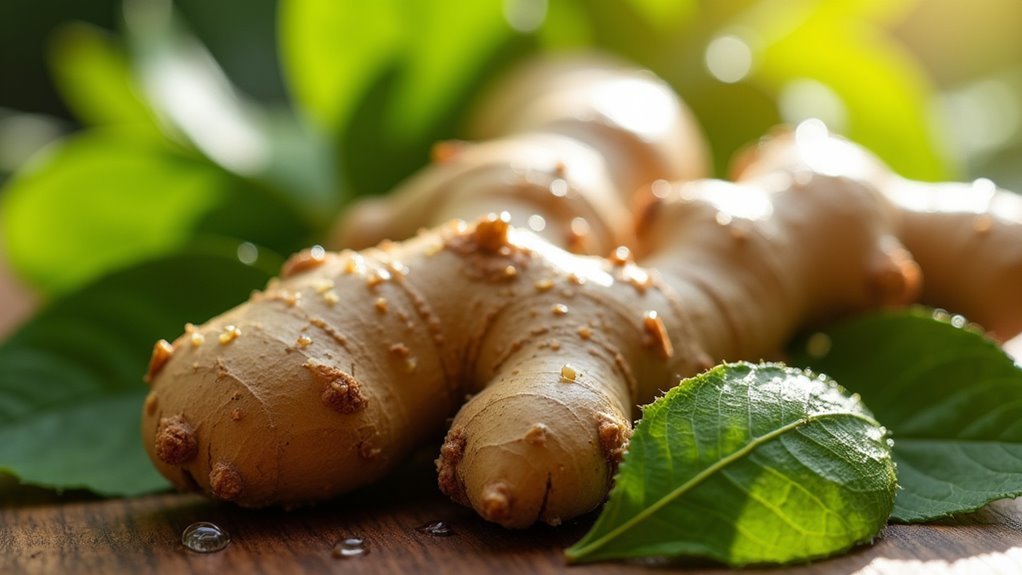
When you consume ginger root, you’re harnessing the power of gingerol, a remarkable bioactive compound that delivers potent anti-inflammatory and antioxidant effects directly to your gastrointestinal tract.
This powerful compound reduces oxidative stress and combats stomach inflammation at the cellular level. Ginger’s anti-inflammatory properties work by enhancing gastric motility, accelerating food movement through your digestive system to minimize irritation and discomfort.
Research demonstrates that ginger’s phenolic compounds effectively soothe gastrointestinal irritation while reducing inflammation markers throughout your body.
These mechanisms make ginger particularly beneficial for managing inflammatory bowel diseases and irritable bowel syndrome symptoms. Studies show that consuming approximately 2,000 mg of ginger daily can greatly decrease inflammation markers, supporting your digestive health and providing natural relief from stomach inflammation.
Gingerol: The Active Compound That Soothes Stomach Lining
When you consume ginger, you’re tapping into gingerol’s powerful anti-inflammatory properties that directly target stomach irritation at the cellular level.
This bioactive compound creates a protective barrier around your stomach lining, shielding it from harmful acids and inflammatory agents that cause pain and damage.
You’ll experience relief as gingerol activates specific healing mechanisms that reduce oxidative stress and promote the repair of your gastric mucosa.
Gingerol’s Anti-Inflammatory Properties
The secret behind ginger’s remarkable healing power lies in gingerol, a potent bioactive compound that directly targets inflammation in your stomach lining.
These anti-inflammatory properties work by greatly decreasing pro-inflammatory cytokines throughout your gastrointestinal tract, which accelerates healing and enhances your overall digestive health.
Gingerol doesn’t stop there—it combats oxidative stress through powerful antioxidant effects, providing dual protection against stomach damage.
You’ll also benefit from improved gastric motility, as gingerol helps food move more efficiently through your stomach, reducing irritation from slow digestion.
Research shows gingerol’s effectiveness as a natural remedy for gastritis and functional dyspepsia.
Stomach Lining Protection
Beyond its anti-inflammatory effects, gingerol creates a protective barrier that shields your stomach lining from harmful irritants and excess acid production.
This ginger root compound enhances gastric motility, promoting faster stomach emptying that reduces acid exposure time. When you consume ginger regularly, you’re strengthening stomach lining protection against potential damage from gastric ulcers and inflammatory conditions.
Gingerol’s antioxidant properties combat oxidative stress throughout your gastrointestinal tract, preventing cellular damage that leads to stomach inflammation.
This protective effect extends beyond immediate relief, supporting long-term digestive health. The anti-inflammatory properties work continuously to maintain your stomach’s natural defenses, creating an environment where healing can occur naturally.
Digestive Healing Mechanisms
Gingerol stands as ginger’s most powerful therapeutic compound, directly targeting inflammation at the cellular level within your stomach lining. This bioactive compound delivers thorough digestive healing through multiple mechanisms that restore your gastrointestinal health.
Gingerol’s anti-inflammatory properties work systematically to repair your digestive system:
- Enhanced Gastric Motility – Gingerol accelerates food movement through your digestive tract, preventing stagnation that triggers inflammation and reduces gastrointestinal discomfort.
- Stimulated Digestive Juices – Your stomach produces more protective secretions that coat and soothe irritated tissue while improving overall digestive health.
- Reduced Oxidative Stress – Antioxidant effects combat cellular damage in your gastric mucosa, promoting natural healing processes.
Regular ginger consumption effectively treats functional dyspepsia symptoms, including bloating, while supporting long-term stomach lining recovery.
How Ginger Enhances Gastric Motility and Reduces Irritation
When you consume ginger, it actively stimulates your digestive system by promoting the production of essential digestive juices and encouraging food to move more efficiently through your gastrointestinal tract.
This enhanced gastric motility helps alleviate gastroparesis symptoms and reduces gastrointestinal discomfort considerably.
Gingerol, ginger’s primary bioactive compound, delivers potent anti-inflammatory effects that directly combat inflammation in your stomach lining.
Ginger’s powerful gingerol compound targets stomach inflammation directly, providing natural anti-inflammatory relief for gastritis and digestive irritation.
This provides natural relief from gastritis and reduces stomach irritation effectively.
When you take 2000 mg of ginger daily, you’ll experience decreased bloating and gas through improved gut motility.
Ginger’s ability to accelerate gastric emptying minimizes acid regurgitation, offering relief from acid reflux and GERD symptoms.
Whether you consume fresh ginger, tea, or powder form, you’re supporting your digestive health naturally.
Clinical Evidence Supporting Ginger for Digestive Inflammation
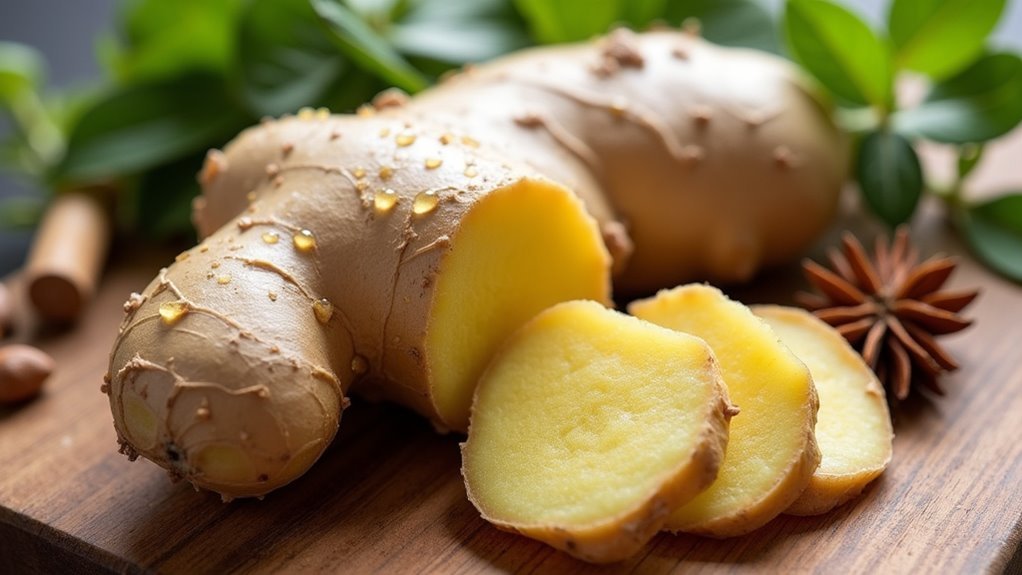
Multiple clinical trials demonstrate ginger’s effectiveness in treating digestive inflammation, providing solid scientific backing for its traditional use as a stomach soother.
The clinical evidence reveals ginger’s remarkable anti-inflammatory properties, particularly through its biological compounds like gingerol, which directly combat stomach inflammation.
Key research findings include:
- Functional Dyspepsia Relief: Studies show ginger improves gastric motility and reduces bloating in patients with chronic stomach discomfort.
- GERD Management: Daily intake of 1.5 grams effectively alleviates gastroesophageal reflux disease symptoms and nausea through anti-inflammatory mechanisms.
- Metabolic Benefits: A 2022 review found 1,200-3,000 mg daily considerably reduced fasting blood sugar and inflammation markers in type 2 diabetes patients.
This clinical evidence confirms ginger’s ability to enhance digestive health by targeting inflammation at its source.
Best Forms of Ginger for Treating Stomach Conditions
You’ll find ginger available in several forms, each offering unique advantages for treating stomach inflammation.
Fresh ginger root provides the highest concentration of gingerol compounds, while powdered ginger offers convenience for daily use in cooking and beverages.
Tea preparations and standardized supplements round out your options, with each form delivering varying levels of bioactive compounds to support digestive healing.
Fresh Versus Powder
Although both fresh ginger and ginger powder offer digestive health benefits, fresh ginger contains considerably higher levels of gingerol—the key bioactive compound responsible for its potent anti-inflammatory properties. This makes fresh ginger more effective for treating stomach inflammation and providing immediate relief from nausea.
While ginger powder offers convenience and longer shelf life, processing reduces its anti-inflammatory properties compared to fresh varieties.
For ideal health benefits when addressing stomach conditions, consider these preparation methods:
- Grated ginger – Add to meals or steep for ginger tea
- Fresh ginger juice – Provides concentrated gingerol for maximum potency
- Whole fresh root – Slice and brew for therapeutic tea
Fresh ginger delivers more intense flavor and superior therapeutic effects, making it the preferred choice for gastrointestinal discomfort relief.
Tea and Supplements
When treating stomach inflammation, ginger tea and supplements offer distinct advantages that make them particularly effective therapeutic options. You can prepare ginger tea by steeping fresh slices in boiling water, delivering concentrated anti-inflammatory properties that soothe gastrointestinal irritation. This natural remedy serves as a healthier alternative to sugary drinks while promoting digestive health after meals.
Ginger supplements provide standardized doses of 1,200 to 3,000 mg daily, effectively improving gastrointestinal motility and reducing dyspepsia symptoms. The bioactive compounds, particularly gingerol, target inflammation throughout your digestive tract.
Both forms accelerate gastric emptying, reducing acid reflux and regurgitation. Whether you choose tea for gentle daily support or supplements for targeted treatment, you’ll experience reduced bloating and enhanced gastrointestinal comfort.
Optimal Dosage and Timing for Maximum Healing Benefits
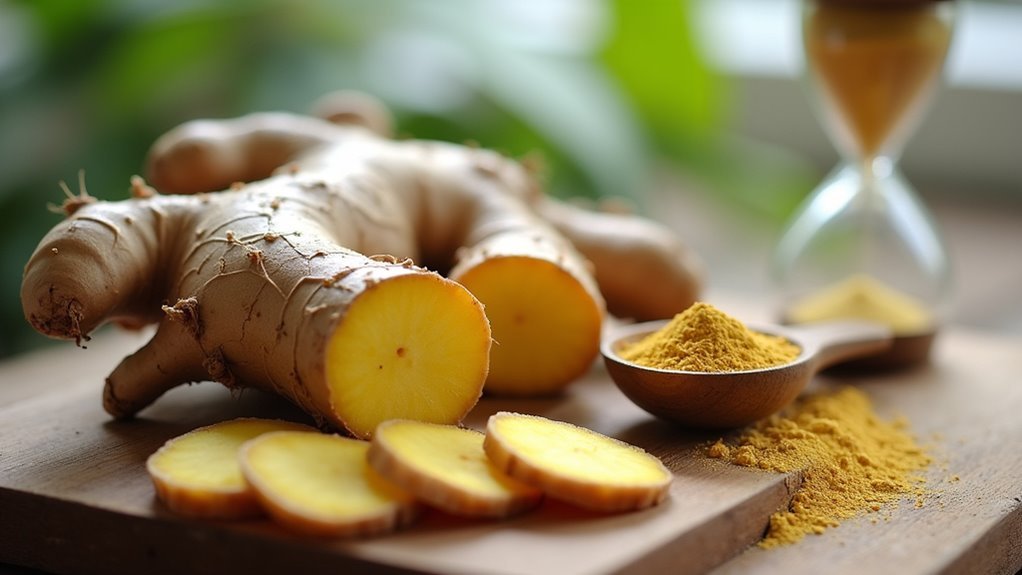
Since proper dosage determines ginger’s effectiveness in healing stomach inflammation, you’ll want to aim for 1.5 to 2 grams daily for peak therapeutic benefits. This ideal dosage supports digestive health while delivering powerful anti-inflammatory effects throughout your gastrointestinal tract.
Strategic timing enhances ginger consumption effectiveness:
- Pre-meal doses – Take ginger 30 minutes before eating to prepare your digestive system.
- Post-meal support – Consume after meals for bloating relief and improved digestion.
- Spaced intervals – Divide your daily dosage throughout the day rather than taking it all at once.
For chronic stomach inflammation, ginger supplements ranging from 1,200 to 3,000 mg daily provide consistent therapeutic support.
Fresh ginger tea steeped for 10-15 minutes offers immediate soothing benefits when timing aligns with your digestive needs.
Combining Ginger With Other Natural Anti-Inflammatory Foods
While ginger provides remarkable healing benefits on its own, pairing it with complementary anti-inflammatory foods creates powerful synergistic effects that can greatly enhance your stomach’s recovery.
Combining ginger with other anti-inflammatory foods creates synergistic healing effects that dramatically boost your stomach’s natural recovery process.
You’ll maximize ginger’s health benefits by combining it with turmeric, which contains curcumin that works alongside ginger to reduce stomach inflammation throughout your gastrointestinal tract.
Adding garlic amplifies anti-inflammatory properties through its allicin content, further supporting digestive healing.
You can blend ginger with leafy greens like spinach or kale for antioxidant-rich combinations that combat inflammation effectively.
Mixing ginger with enzyme-rich fruits such as pineapple and papaya enhances digestion through bromelain and papain.
Finally, combining ginger with honey creates a soothing remedy that provides antibacterial benefits while calming your irritated stomach lining naturally.
Safety Considerations and Potential Side Effects
Although ginger offers significant healing benefits for stomach inflammation, you must understand its potential risks and side effects before incorporating it into your treatment regimen.
While generally safe in moderate amounts (up to 4 grams daily), excessive ginger consumption can ironically cause digestive discomfort, gas, and bloating.
Key safety considerations include:
- Medication interactions – Ginger may increase bleeding risk if you’re taking anticoagulant medications like warfarin.
- Blood sugar effects – It can lower blood sugar levels, potentially causing hypoglycemia in diabetes patients.
- Allergic reactions – Though rare, some individuals experience adverse reactions requiring immediate discontinuation.
You should consult your healthcare provider before starting ginger supplements, especially if you have existing health conditions or take prescription medications.
Monitor your body’s response carefully.
Long-Term Benefits of Regular Ginger Consumption for Gut Health
When you incorporate ginger into your daily routine responsibly, you’ll discover remarkable benefits that extend far beyond immediate inflammation relief.
Regular consumption enhances gastrointestinal motility, promoting efficient food movement through your digestive tract while reducing chronic inflammation. You’ll experience improved gut health as ginger stimulates digestive juices production, effectively managing dyspepsia and preventing bloating.
Regular ginger consumption promotes efficient digestion while reducing inflammation, stimulating digestive juices and preventing uncomfortable bloating throughout your system.
The antioxidants in ginger, particularly gingerol, combat oxidative stress throughout your digestive system. This protection extends to serious concerns like colorectal cancer prevention.
With daily intake around 2000mg, you’re supporting long-term digestive wellness while addressing conditions like IBS and IBD. Your gut’s overall function improves as ginger’s anti-inflammatory properties work continuously, creating a healthier digestive environment that benefits your entire body’s wellbeing.
Frequently Asked Questions
Does Ginger Reduce Stomach Inflammation?
Yes, you’ll find that ginger effectively reduces stomach inflammation through its gingerol compounds. It’ll decrease gastric irritation, promote faster stomach emptying, and enhance digestive motility, naturally alleviating inflammation-related symptoms.
How Long Does It Take Ginger to Reduce Inflammation?
You’ll typically notice ginger’s anti-inflammatory effects within hours, but significant reduction takes 3-12 weeks with daily consumption of 1-2 grams. Your individual response may vary, with some experiencing relief within days.
How Does Ginger Heal the Gut?
You’ll find that ginger heals your gut through gingerol’s anti-inflammatory action, which reduces gastrointestinal inflammation while enhancing digestive motility. It neutralizes harmful free radicals and creates a healthier intestinal environment for ideal healing.
How to Use Ginger Root for Inflammation?
You can steep fresh ginger slices in hot water for tea, add grated ginger to soups and stir-fries, use ginger powder in cooking, or try concentrated ginger shots for maximum anti-inflammatory benefits.


