

You can optimize your microbiome by choosing diverse seaweed types like brown Ascophyllum nodosum for alginates and red Porphyra for carrageenan. Start with 1-2 grams daily and gradually increase over 6-7 weeks to prevent digestive discomfort. Combine seaweed with other prebiotic foods like garlic and onions for synergistic effects that boost bacterial diversity. Monitor your body’s response and adjust intake accordingly. Source high-quality, certified products with clear polysaccharide content for maximum effectiveness and discover additional strategies below.
Choose Diverse Seaweed Types for Maximum Polysaccharide Variety

While many people focus on single-source supplements, you’ll maximize your prebiotic benefits by incorporating diverse seaweed types into your diet. Each variety offers unique polysaccharides that feed different strains of beneficial bacteria in your gut microbiome.
Brown seaweeds like Ascophyllum nodosum contain alginates and fucoidans, while red seaweeds such as Porphyra provide carrageenan and agar. Green varieties like Ulva contribute additional prebiotic fibers.
Different seaweed colors contain distinct prebiotic compounds that nourish various beneficial bacteria strains in your digestive system.
This diversity creates a broader spectrum of nutrients that ferment in your colon, producing various short-chain fatty acids.
You’ll enhance microbiome diversity by rotating between different seaweed types rather than sticking to one. This approach promotes more extensive beneficial bacteria growth, ultimately supporting better gut health through varied polysaccharide intake.
Start With Small Amounts to Allow Your Gut Bacteria to Adapt
When you’re ready to introduce seaweed prebiotics into your routine, you’ll want to start with just 1-2 grams per day to give your gut bacteria time to adjust. Seaweed’s rich insoluble fiber ferments in your colon, so this gradual approach helps prevent digestive discomfort and bloating while supporting beneficial bacteria growth.
| Week | Daily Amount | Purpose |
|---|---|---|
| 1-2 | 1-2 grams | Allow gut bacteria adaptation |
| 3-4 | 2-4 grams | Monitor tolerance levels |
| 5-6 | 4-6 grams | Reach recommended initial intake |
| 7+ | Maintain/adjust | Optimize for your system |
Eating seaweed in moderation lets your healthy gut microbiome benefit without overwhelming your digestive system. As you gradually increase amounts over time, you’ll enhance gut microbiome diversity, leading to improved gut health and overall well-being.
Combine Seaweed With Other Prebiotic Foods for Synergistic Effects
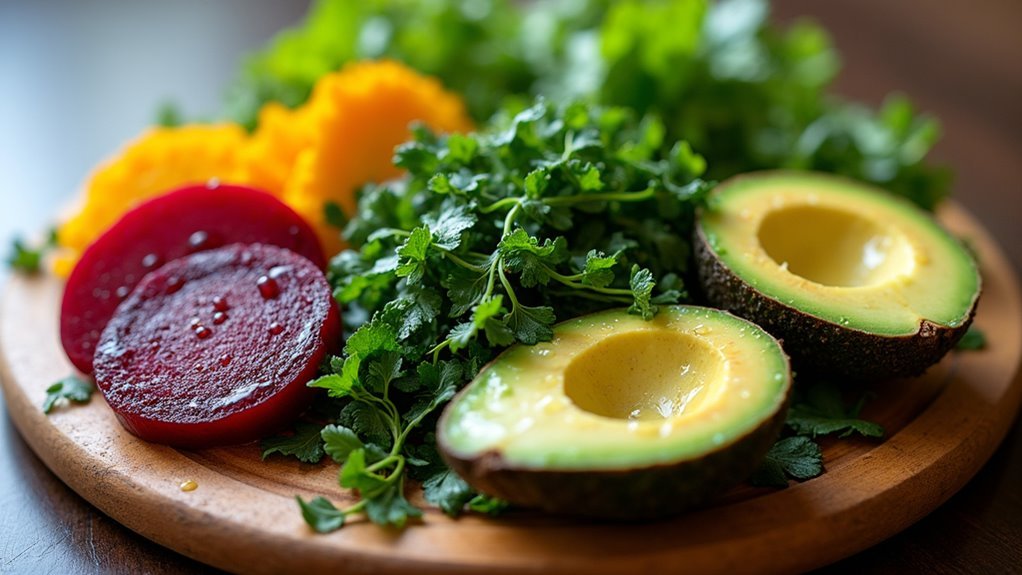
Once you’ve established your seaweed routine, you’ll maximize its prebiotic benefits by pairing it with complementary fiber-rich foods like garlic, onions, and asparagus.
These combinations create synergistic effects that supercharge your beneficial gut bacteria and enhance your digestive system’s performance.
Smart prebiotic combinations amplify gut health benefits, creating powerful synergistic effects that boost beneficial bacteria and optimize digestive performance naturally.
The strategic pairing of seaweed with other prebiotics delivers powerful results:
- Enhanced bacterial diversity – Multiple prebiotic sources support different beneficial gut bacteria strains
- Increased short-chain fatty acids production – Combined prebiotics boost these inflammation-fighting compounds
- Improved nutrient absorption – Seaweed’s polysaccharides work with fiber-rich foods to refine digestion
- Stronger immune function – Diverse gut microbiota from varied prebiotics strengthens your body’s defenses
This approach prevents dysbiosis and reduces your risk of health issues while creating an ideal environment for long-term microbiome balance.
Monitor Your Body’s Response and Adjust Intake Accordingly
As you begin incorporating seaweed into your daily routine, listening to your body’s signals becomes essential for optimizing its prebiotic benefits.
Start with 1-2g daily for children and 4-6g for adults, allowing your gut bacteria to gradually adapt to these beneficial prebiotics. Monitor your digestive tract carefully for any changes like bloating or discomfort, which indicate how well you’re tolerating the new fibers.
Track your bowel movements for improved consistency and regularity, as seaweed can help regulate digestive function.
Pay attention to your energy levels and overall health, since enhanced gut balance improves nutrient absorption. If you experience adverse effects, reduce your intake or consult a healthcare professional for personalized guidance on adjusting your seaweed consumption.
Source High-Quality Seaweed Products for Optimal Prebiotic Content
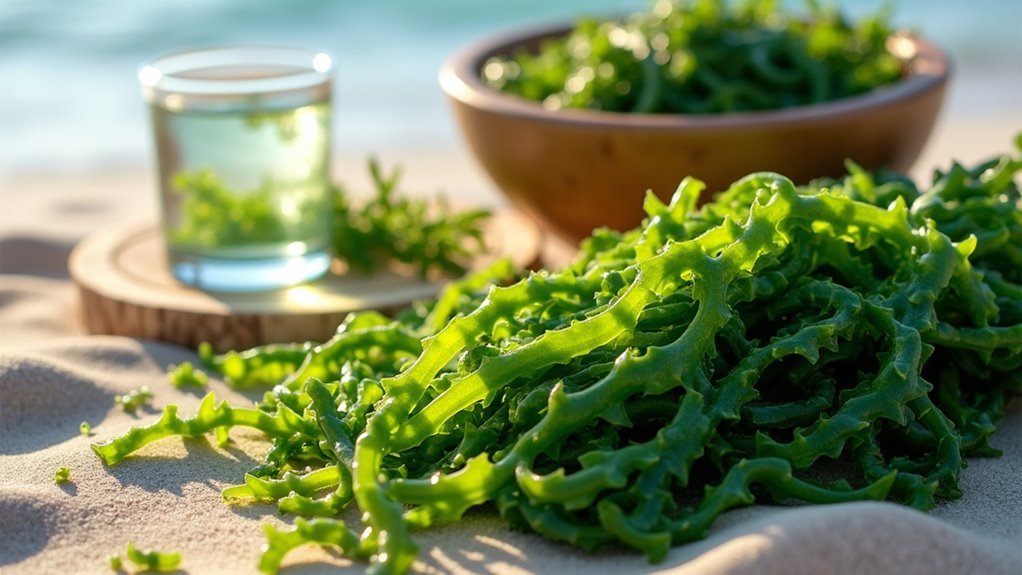
Where can you find seaweed products that deliver maximum prebiotic benefits? You’ll want to focus on certified, contaminant-free options that maximize polysaccharides for your gut microbiome.
When selecting seaweed products for ideal prebiotic content, consider these key factors:
- Choose certified brands like Seagreens® that guarantee safety and potency for gut health.
- Look for high-polysaccharide varieties such as Ascophyllum nodosum, which contains alginates, laminarin, and fucoidans.
- Select whole seaweeds or concentrated extracts that support beneficial gut bacteria and immune cells.
- Prioritize sustainably sourced products from reputable producers for environmental responsibility.
Follow recommended daily intake guidelines: 4-6g for adults and 1-2g for children.
Quality seaweed products will clearly list their polysaccharide content and sourcing information, ensuring you’re getting healthy, effective prebiotics for your digestive system.
Frequently Asked Questions
Does Seaweed Help the Microbiome?
Yes, seaweed greatly helps your microbiome by providing prebiotic fibers that feed beneficial bacteria, increase diversity, reduce inflammation, and produce helpful short-chain fatty acids for improved digestive health.
What Is the Fastest Way to Restore Gut Microbiome?
You’ll restore your gut microbiome fastest by eliminating processed foods, taking high-quality probiotics, eating diverse fiber-rich foods daily, managing stress effectively, getting adequate sleep, and avoiding unnecessary antibiotics that disrupt bacterial balance.
How Do I Fix My Gut Microbiome Imbalance?
You’ll fix gut microbiome imbalance by eating 4-6 grams of varied seaweed daily. It’s rich prebiotic fibers feed beneficial bacteria, boost diversity, and produce inflammation-fighting short-chain fatty acids for ideal digestive health.
What Is the Best Food to Heal Gut Microbiome?
You’ll heal your gut microbiome best with diverse fiber-rich foods like vegetables, fruits, legumes, and fermented foods including yogurt, kefir, and kimchi. These provide prebiotics and probiotics that restore beneficial bacteria balance naturally.


