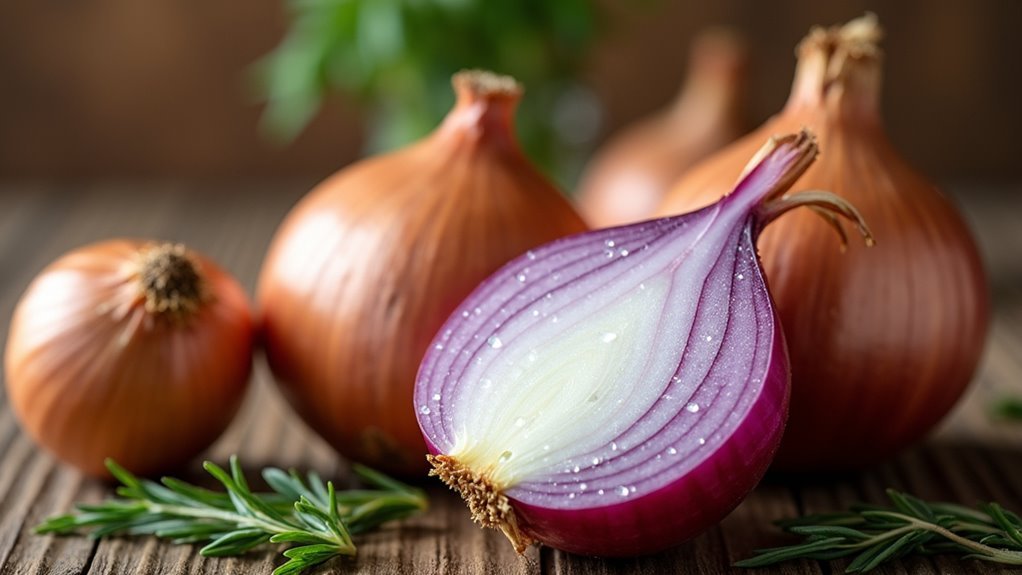
You’ll get remarkable gut health benefits from onions thanks to their rich concentration of inulin and fructooligosaccharides (FOS), powerful prebiotics that feed your beneficial bacteria. Just half a small onion provides about 5 grams of prebiotics, promoting the growth of helpful microorganisms like Bifidobacterium and Lactobacillus while suppressing harmful ones. These compounds also improve blood sugar regulation, enhance mineral absorption, and reduce inflammation through short-chain fatty acid production. Discover how to maximize these benefits in your meals.
What Makes Onions Exceptional Prebiotic Sources

Tucked beneath their papery skin, onions harbor an impressive arsenal of prebiotic compounds that make them nutritional powerhouses for your digestive system.
You’ll find inulin and fructooligosaccharides (FOS) in abundance—specialized prebiotics that directly feed your beneficial bacteria and promote ideal gut health.
What sets onions apart isn’t just their prebiotic content. Half of a small onion delivers approximately 5 grams of prebiotics, meeting your daily recommended intake effortlessly. These compounds enhance your gut microbiota diversity while supporting metabolic function and digestive health.
Beyond prebiotics, onions provide powerful antioxidants and anti-inflammatory properties that strengthen your immune system.
This dual action creates a synergistic effect, where improved gut health directly influences your body’s immune responses, making onions exceptional allies for thorough wellness.
The Science Behind Onion’s Gut Health Benefits
Understanding how onions work at the cellular level reveals why they’re so effective for digestive wellness. When you consume onions rich in inulin and prebiotics, you’re feeding beneficial gut bacteria that transform these compounds into health-promoting substances.
Research shows onions deliver measurable improvements to your gut microbiome through several mechanisms:
Onions provide scientifically-backed gut health benefits by delivering targeted improvements to your microbiome through multiple proven biological pathways.
- Metabolite Production: Your gut bacteria ferment onion prebiotics into short-chain fatty acids, which fuel intestinal cells and reduce inflammation.
- Microbial Diversity: Onion compounds increase beneficial bacterial populations while suppressing harmful microorganisms.
- Disease Management: Studies demonstrate onions can improve health disorders like Crohn’s disease through enhanced gut function.
The anti-inflammatory properties and antioxidants in onions work synergistically with prebiotic effects, creating a thorough approach to digestive health that goes beyond simple fiber supplementation.
Inulin and Fructooligosaccharides in Onions
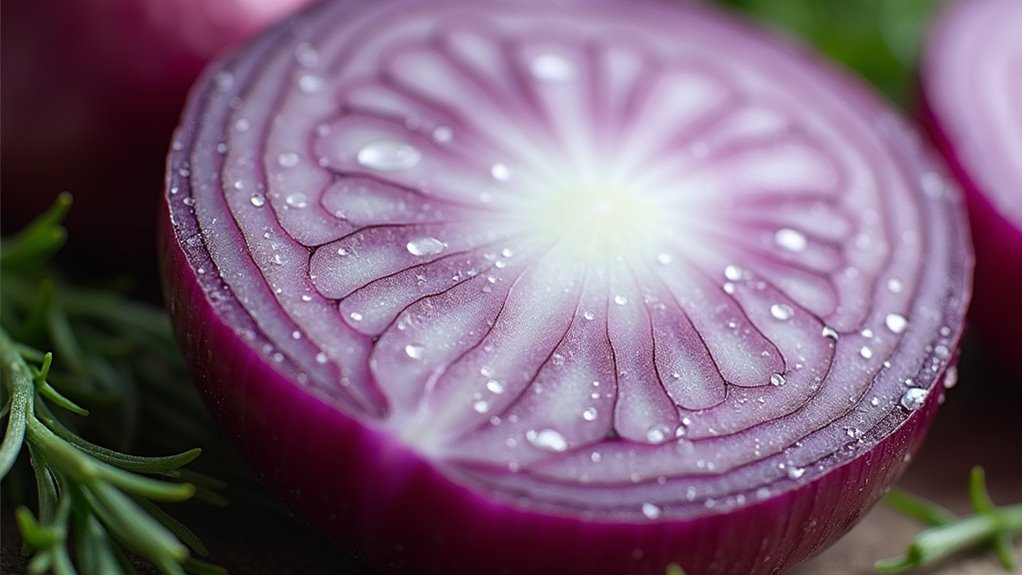
While most people know onions for their culinary punch, they’re actually delivering two of nature’s most powerful prebiotic compounds: inulin and fructooligosaccharides (FOS).
These non-digestible carbohydrates make up approximately 10-15% of an onion’s total weight, with inulin specifically promoting beneficial bacteria like Bifidobacteria in your gut.
When you consume FOS from onions, they stimulate the production of short-chain fatty acids, which enhance your digestive health and metabolic function.
Just one small onion provides about 5 grams of prebiotics—meeting your daily recommended intake.
This powerful combination works to improve your microbiota diversity, creating a thriving ecosystem of gut health-promoting bacteria that supports your overall digestive wellness.
How Onions Support Beneficial Bacteria Growth
Beyond simply providing these prebiotic compounds, onions actively create an environment where beneficial bacteria can flourish and multiply. When you consume onions, the inulin and prebiotics they contain serve as targeted nutrition for specific strains of beneficial bacteria in your gut, particularly lactobacilli. This selective feeding process helps these good bacteria outcompete harmful microorganisms.
The growth of beneficial bacteria from onion consumption leads to enhanced digestive health through several mechanisms:
- Metabolite production – Your gut bacteria convert onion prebiotics into short-chain fatty acids that support intestinal wall integrity.
- Microbiome balance – Regular onion intake helps maintain ideal ratios of beneficial to harmful bacteria.
- Enhanced immunity – Strengthened gut flora from onions bolsters your body’s natural defense systems.
This collaborative relationship between onions and your gut microbiome creates lasting improvements in overall gut health.
Research Findings on Onion Extract Effects
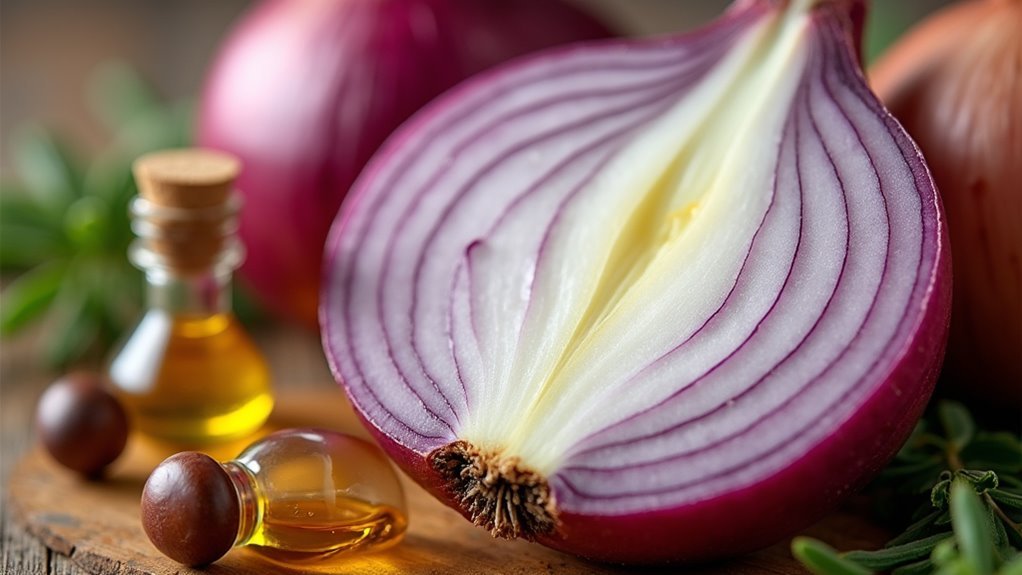
Scientific studies examining onion extract’s impact on gut microbiota consistently demonstrate significant improvements in bacterial composition and digestive function.
Research using in vitro fecal incubation models shows that onion extracts effectively promote beneficial probiotics, particularly lactobacilli strains, while minimizing inter-individual variability in results.
You’ll find that prebiotic compounds like inulin and fructooligosaccharides in onions enhance short-chain fatty acids production, which directly supports your digestive health.
Studies reveal these extracts can help manage health disorders including Crohn’s disease and atopic dermatitis through their prebiotic effects.
The research confirms that onion extracts alter your gut microbiota structure, leading to improved metabolic health and reduced inflammation throughout your digestive tract, making them powerful allies for ideal gut function.
Comparing Onion Prebiotic Content to Other Foods
Understanding onion extract’s proven benefits leads naturally to examining how onions stack up against other prebiotic-rich foods in your diet.
You’ll find onions remarkably competitive with top prebiotic sources, containing 100-240 mg/g of these gut-supporting compounds.
When comparing prebiotic powerhouses, onions hold their own alongside:
- Dandelion greens – Another inulin-rich vegetable that supports beneficial bacteria
- Garlic – Contains similar prebiotic compounds with comparable gut health benefits
- Jerusalem artichokes – High in inulin but less commonly consumed than onions
Half a small onion delivers your recommended 5 grams of daily prebiotics through inulin and fructooligosaccharides.
Unlike dairy, eggs, and meats that lack prebiotic content, onions provide accessible dietary fiber that strengthens your gut flora through regular consumption.
Raw Vs Cooked Onions for Maximum Prebiotic Benefits
While cooking methods greatly impact your onion’s nutritional profile, you’ll maximize prebiotic benefits by consuming them raw.
Raw onions contain markedly higher levels of prebiotics like inulin and fructooligosaccharides, which are essential for ideal gut health. Heat breaks down these sensitive compounds, reducing the nutritional benefits you’d otherwise receive from cooked onions.
You’ll get approximately 5 grams of prebiotics from half a small raw onion, meeting daily recommended intake.
Raw onions also provide superior antioxidant levels compared to their cooked counterparts, enhancing overall health benefits and gut microbiota support.
Add raw onions to salads or use them as fresh toppings to harness their full prebiotic potential.
While cooked onions still offer some advantages, they can’t match raw onions’ prebiotic power.
Daily Onion Intake Recommendations for Gut Health
When it comes to optimizing your gut health through onions, you’ll need just half of a small 4-ounce onion daily to meet the recommended 5-gram prebiotic intake. This simple addition to your meals provides essential nutrients that feed beneficial bacteria in your digestive system.
The International Scientific Association for Probiotics and Prebiotics establishes this recommended daily amount to support ideal digestive function.
Regular onion consumption offers multiple advantages for your well-being:
- Enhanced microbiota diversity – Onions’ inulin and FOS content promotes varied gut bacteria growth
- Improved metabolic health – Consistent prebiotic intake supports better nutrient processing and energy regulation
- Stronger immune function – A healthier gut environment boosts your body’s natural defense mechanisms
Incorporating this modest daily intake into soups, salads, or cooked dishes makes meeting your prebiotic goals effortless.
Onions and Blood Sugar Regulation
Beyond their prebiotic benefits, onions offer remarkable advantages for blood sugar regulation that can transform your metabolic health.
When you consume onions, their rich inulin and fructooligosaccharides content feeds beneficial gut bacteria, which directly impacts glucose control. You’ll experience reduced postprandial blood sugar levels, especially if you have insulin resistance or diabetes.
Onions’ inulin and fructooligosaccharides nourish gut bacteria, directly improving glucose control and reducing post-meal blood sugar spikes.
The polyphenols in onions enhance your insulin sensitivity, making your body more efficient at processing glucose.
When you incorporate onions into meals, they slow carbohydrate digestion, creating a gradual glucose release that prevents dangerous spikes. This prebiotic powerhouse supports your gut microbiome while simultaneously improving metabolic function.
Regular onion consumption can help prevent diabetes complications and maintain stable blood sugar throughout the day.
Anti-inflammatory Properties of Onion Prebiotics
You’ll find that onions pack powerful anti-inflammatory compounds that directly target inflammation in your digestive system.
These prebiotic fibers work by feeding beneficial gut bacteria, which then produce short-chain fatty acids that calm inflammatory responses throughout your intestinal tract.
When you consume onions regularly, you’re fundamentally giving your gut microbiome the tools it needs to maintain a balanced, inflammation-fighting environment.
Onion Compounds Reduce Inflammation
While onions are celebrated for their prebiotic fiber content, their anti-inflammatory properties make them true powerhouses for gut health. These compounds work synergistically to reduce inflammation throughout your body and support optimal immune function.
Key anti-inflammatory mechanisms include:
- Quercetin antioxidants that directly combat inflammatory processes while enhancing mineral absorption in your gut
- Prebiotic compounds like inulin that feed beneficial bacteria, promoting production of anti-inflammatory metabolites
- Immune system modulation that helps decrease inflammatory markers such as C-reactive protein (CRP)
When you consume onions regularly, you’re providing your gut microbiome with essential prebiotics that cultivate anti-inflammatory bacteria.
This creates a positive cycle where beneficial bacteria flourish, inflammation decreases, and your overall gut health improves considerably.
Gut Bacteria Inflammatory Response
The prebiotic compounds in onions trigger a remarkable transformation in your gut’s bacterial ecosystem that directly impacts inflammatory responses throughout your body.
When you consume onions, inulin and fructooligosaccharides feed beneficial bacteria like Bifidobacterium and Lactobacillus, promoting their growth while suppressing harmful microorganisms. These beneficial bacteria produce short-chain fatty acids, particularly butyrate, which serve as powerful anti-inflammatory agents in your intestinal lining.
This enhanced gut microbiome actively reduces intestinal inflammation by strengthening your gut barrier and preventing toxic bacterial translocation.
The prebiotics in onions effectively modulate your immune function, helping maintain immune homeostasis and minimizing chronic inflammatory responses. Your gut bacteria’s improved composition creates a protective environment that combats inflammation at its source, demonstrating onions’ profound therapeutic potential.
Prebiotic Anti-Inflammatory Mechanisms
Beyond feeding beneficial bacteria, onion prebiotics release a cascade of direct anti-inflammatory mechanisms that target inflammation at multiple cellular levels.
When you consume onions, their inulin and fructooligosaccharides don’t just nourish your microbiome—they actively combat inflammatory processes throughout your digestive tract.
Quercetin, onions’ powerful antioxidant compound, works alongside these prebiotics to neutralize oxidative stress and reduce inflammatory markers.
This dual-action approach creates a protective environment where beneficial bacteria can flourish while inflammation decreases.
Your gut health improves through three key mechanisms:
- Immune modulation – Prebiotics help regulate your body’s inflammatory responses
- Antioxidant protection – Quercetin combats cellular damage from free radicals
- Microbiome balance – Enhanced beneficial bacteria populations suppress inflammatory pathways
This thorough anti-inflammatory action makes onions exceptional allies for managing chronic digestive inflammation.
Mineral Absorption Enhancement Through Onion Consumption
When you consume onions regularly, you’re not just adding flavor to your meals—you’re actively enhancing your body’s ability to absorb essential minerals like calcium and magnesium.
Onions contain high levels of inulin and fructooligosaccharides, powerful prebiotics that nourish beneficial bacteria in your digestive system. These compounds create an ideal environment in your gut that greatly improves mineral absorption.
Onions deliver powerful prebiotics that transform your gut into a mineral-absorbing powerhouse, optimizing your body’s nutritional uptake.
Research shows that onion consumption positively influences your gut microbiota composition, leading to better nutritional outcomes. The prebiotics in onions enhance bioavailability of essential minerals, particularly supporting bone health through improved calcium uptake.
Just half of a small onion provides approximately 5 grams of prebiotics, contributing meaningfully to your daily intake requirements for ideal gut health and enhanced mineral absorption.
Incorporating More Onions Into Your Daily Diet
You can easily boost your prebiotic intake by adding onions to meals you’re already making through simple cooking methods that don’t require special skills or equipment.
Whether you’re sautéing them as a flavor base for soups, tossing raw slices into salads, or caramelizing them for pasta dishes, there’s a preparation method that’ll work with your cooking style.
Let’s explore practical daily meal ideas and straightforward techniques that’ll help you reach that beneficial 5-gram prebiotic target without overhauling your entire diet.
Simple Cooking Methods
While onions pack impressive prebiotic power, you don’t need complicated recipes to harness their gut-health benefits. These versatile vegetables respond beautifully to simple cooking methods that preserve their prebiotic properties while enhancing flavor.
Sauté onions with garlic as your foundation for stir-fries and pasta dishes. The gentle heat caramelizes their natural sugars while maintaining gut-friendly compounds. Roast whole or halved onions with olive oil and herbs for a sweet side dish that complements any meal.
- Raw applications: Dice onions into salads, sandwiches, and smoothies for maximum prebiotic content.
- Slow cooking: Add them to soups and stews where they’ll infuse rich flavor throughout.
- Quick preparations: Blend into dressings and sauces for instant gut health upgrades.
These straightforward techniques make incorporating prebiotics effortless.
Daily Meal Ideas
Since you’re already familiar with basic cooking techniques, transforming your daily meals with onion-powered dishes becomes surprisingly straightforward.
Start your morning by adding diced onions to omelets or breakfast hash for an early prebiotic boost. For lunch, toss raw onion slices into salads or layer them in sandwiches to maximize gut health benefits while maintaining that satisfying crunch.
Dinner offers diverse opportunities to incorporate these prebiotic powerhouses. Sauté onions as a flavorful base for stir-fries, or roast them alongside seasonal vegetables. Adding onion rings as sides enhances both texture and antioxidants content.
Soups and stews become more nutritious when you include generous amounts of diced onions. Consider experimenting with onion-infused oils in your recipes, or substitute leeks for variety, ensuring your meals consistently deliver approximately 5 grams of prebiotics daily.
Frequently Asked Questions
Do Onions Heal the Gut?
You can’t fully “heal” your gut with onions alone, but they’ll greatly support gut health. Their prebiotics feed beneficial bacteria, reduce inflammation, and improve nutrient absorption, making them powerful allies for digestive wellness.
Are Onions a Good Prebiotic?
Yes, you’ll get excellent prebiotic benefits from onions. They’re packed with inulin and fructooligosaccharides that feed your beneficial gut bacteria, boost flora diversity, and help produce vital short-chain fatty acids for ideal digestive health.
What Is the Best Prebiotic for Gut Health?
You’ll find the best prebiotics include inulin-rich foods like garlic, onions, and Jerusalem artichokes, plus resistant starch from green bananas. Diversifying your prebiotic sources maximizes gut bacteria variety and health benefits.
What Vegetables Have the Most Prebiotics?
You’ll find the highest prebiotic content in Jerusalem artichokes, which contain exceptional inulin levels. Dandelion greens, garlic, leeks, and onions also provide significant prebiotic fibers that’ll effectively nourish your beneficial gut bacteria.


