
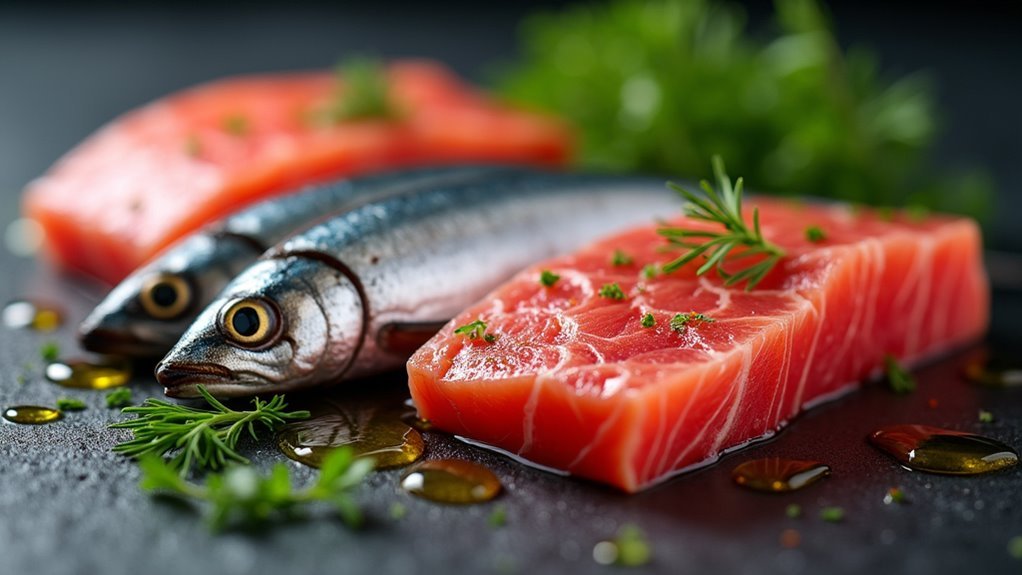
You’ll maximize muscle repair by consuming sardines or tuna within 30-60 minutes post-workout, taking advantage of their 29g protein per serving and anti-inflammatory omega-3s. Choose canned varieties for convenience and enhanced omega-3 bioavailability, while pairing them with quinoa or brown rice for ideal recovery. Time your intake strategically, combine with vitamin C-rich foods for collagen synthesis, and prep portable meals like tuna-Greek yogurt salads. These simple strategies will transform your recovery routine into a powerhouse nutrition system.
Why Sardines and Tuna Are Powerhouse Proteins for Recovery
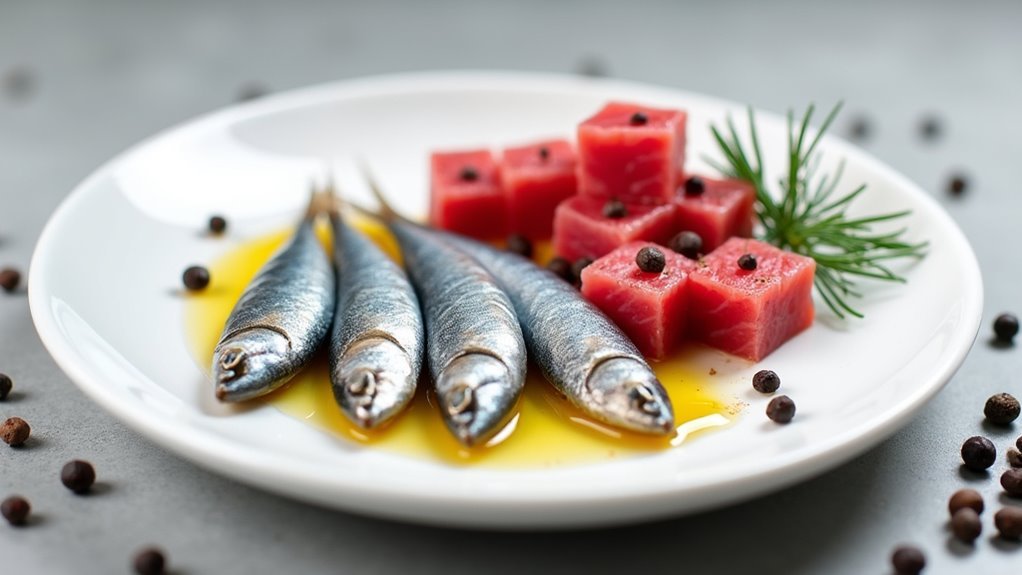
When you’re searching for effective post-workout nutrition, sardines and tuna deliver exceptional muscle-building benefits that surpass many other protein sources.
These nutrient-dense fish pack approximately 29g of high-quality protein per 100g serving, providing essential amino acids your muscles need for repair and growth.
What makes these fish truly exceptional is their omega-3 fatty acids content, particularly EPA and DHA.
These compounds actively reduce muscle soreness and inflammation, allowing you to recover faster between training sessions.
Sardines offer an additional advantage with their rich vitamin B12 content, which boosts energy metabolism and enhances recovery by supporting red blood cell production.
Sardines’ vitamin B12 content supercharges energy metabolism and accelerates recovery through enhanced red blood cell production.
Tuna’s lean profile delivers maximum protein with minimal calories, making it perfect for athletes focused on muscle development.
Both options support muscle function while accelerating your body’s natural recovery processes.
Omega-3 Fatty Acids: The Anti-Inflammatory Heroes
While many supplements promise to reduce exercise-induced inflammation, omega-3 fatty acids from sardines and tuna deliver scientifically-proven results that’ll transform your recovery experience.
These anti-inflammatory properties work at the cellular level to reduce inflammation and accelerate muscle recovery after intense training sessions.
Here’s what makes omega-3s essential for muscle repair:
- Sardines pack 2,200mg of omega-3s per 3.5-ounce serving
- Tuna provides 1,500mg per serving for consistent recovery support
- Clinical studies prove reduced DOMS and faster recovery times
- Enhanced muscle protein synthesis when combined with leucine-rich proteins
You’ll notice decreased muscle soreness and improved recovery when you consistently incorporate these fatty fish into your diet.
Beyond muscle recovery, omega-3 fatty acids support heart health and reduce systemic inflammation, optimizing your overall athletic performance.
Vitamin D Content in Canned Fish for Stronger Bones
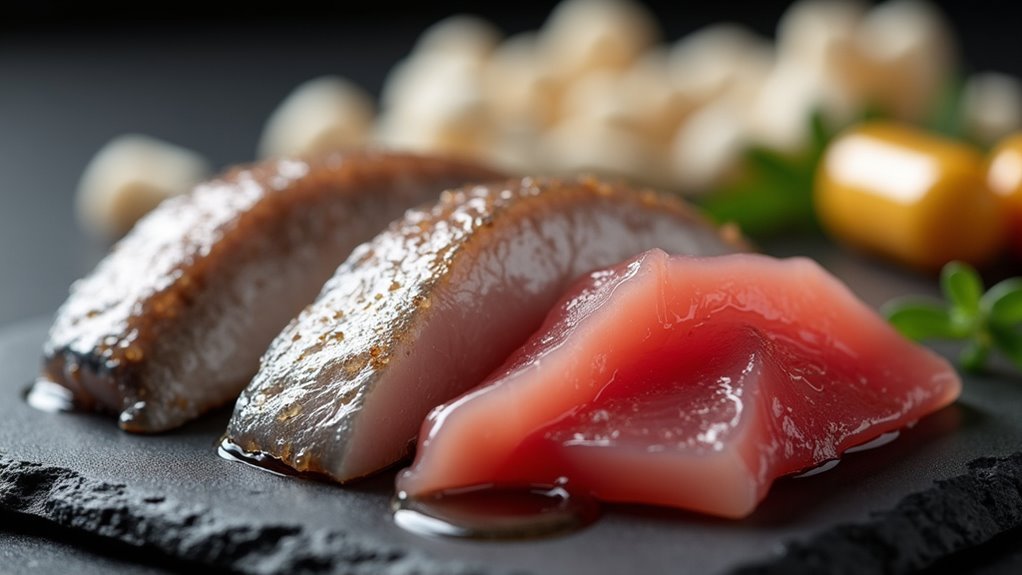
Beyond their impressive protein and omega-3 profiles, sardines and tuna deliver substantial vitamin D content that’ll fortify your bones and enhance your body’s calcium absorption.
A 3.2-ounce serving of canned sardines provides approximately 272 IU of vitamin D—that’s 68% of your daily needs. Canned tuna contributes about 154 IU per 3-ounce serving, supporting bone health alongside its high protein content.
This vitamin D works synergistically with calcium absorption to prevent osteoporosis and maintain skeletal strength.
When you combine vitamin D with omega-3 fatty acids found in these canned fish, you’re optimizing both bone health and muscle recovery.
Including sardines and tuna regularly gives you convenient access to these bone-strengthening nutrients while supporting your active lifestyle and post-workout muscle recovery needs.
Best Times to Eat Sardines and Tuna for Maximum Benefits
Timing your sardine and tuna consumption strategically can greatly boost your muscle repair results.
You’ll maximize performance by eating these protein-rich fish before workouts to fuel your muscles with essential amino acids.
After you’ve finished exercising, there’s a critical recovery window where consuming sardines or tuna helps accelerate muscle repair and reduces inflammation.
Pre-Workout Timing Benefits
When you consume sardines or tuna 30 to 60 minutes before your workout, you’re providing your body with a powerful combination of high-quality protein and omega-3 fatty acids that can greatly improve your performance.
This pre-workout timing strategy delivers multiple benefits for muscle recovery and energy levels:
- Protein Power: A single tuna serving provides 29g of protein plus essential B vitamins to fuel your muscles and support energy metabolism.
- Inflammation Fighter: Omega-3 fatty acids help reduce exercise-induced inflammation while improving joint health and flexibility.
- Amino Acid Availability: Timing your meal about an hour before training guarantees amino acids are ready for muscle repair during and after exercise.
- Enhanced Endurance: Pairing sardines or tuna with complex carbohydrates optimizes energy levels for better workout performance.
Post-Exercise Recovery Window
After you finish your workout, your muscles enter a critical recovery phase where they’re primed to absorb nutrients and begin the repair process.
This post-exercise window, lasting 30 minutes to one hour, is when consuming sardines or tuna delivers maximum muscle recovery benefits. These fish pack approximately 29g of protein per 100g, fueling muscle protein synthesis when your body needs it most.
The omega-3 fatty acids in these fish actively reduce inflammation and muscle soreness following intense training.
To optimize recovery, pair your sardines or tuna with carbohydrates like whole-grain bread or brown rice. This combination supports glycogen replenishment while the protein repairs damaged muscle fibers.
Consistently eating these nutrient-dense fish immediately after training sessions enhances recovery efficiency and improves your subsequent workout performance.
Fresh vs. Canned: Which Offers Better Recovery Support
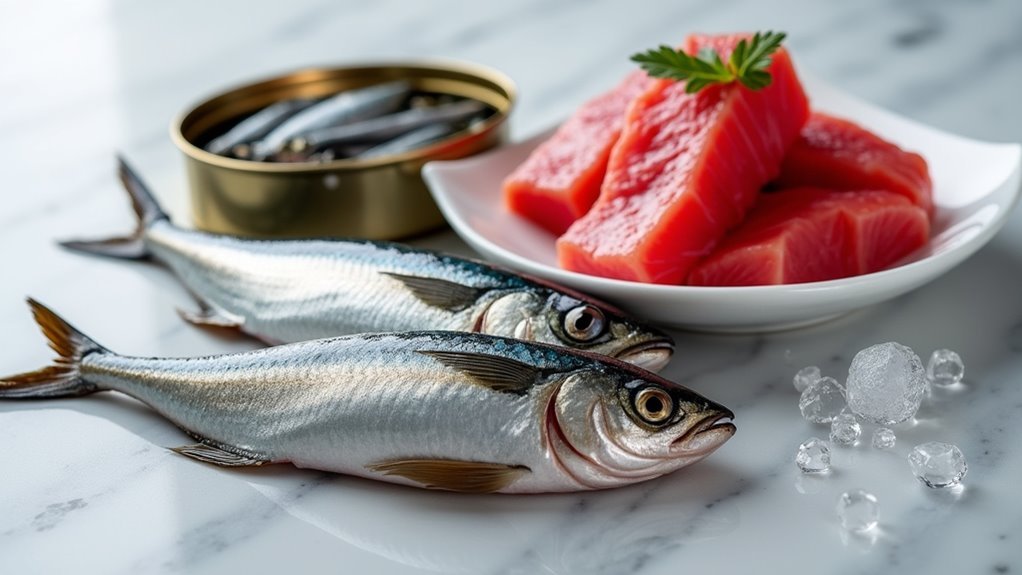
You’ll find both fresh and canned sardines and tuna pack nearly identical nutritional punches for muscle recovery, though there are subtle differences worth considering.
Fresh varieties typically contain slightly higher vitamin D levels, while canned options preserve omega-3s remarkably well through the processing methods used.
The real decision often comes down to weighing the superior convenience of canned fish against the marginally higher nutrient density you’ll get from fresh catches.
Nutritional Content Comparison
The debate between fresh and canned sardines and tuna often centers on which form provides superior nutritional value for muscle recovery.
While fresh varieties typically contain higher omega-3 fatty acids levels, the differences aren’t as significant as you might expect.
Here’s what you need to know about their nutritional profiles:
- Protein content: Both deliver 23-29 grams per 3-ounce serving for ideal muscle recovery
- Omega-3 fatty acids: Fresh fish contains slightly more EPA and DHA for anti-inflammatory benefits
- Vitamins: Fresh options provide marginally higher B12 levels for energy metabolism
- Minerals: Canned sardines with bones offer superior calcium content
You’ll find that canned varieties retain most essential nutrients while offering convenience and affordability, making them excellent alternatives when fresh isn’t available.
Omega-3 Preservation Methods
Beyond basic nutritional comparisons, omega-3 preservation becomes the deciding factor when choosing between fresh and canned options for muscle recovery.
While fresh sardines and tuna deliver peak omega-3 fatty acids immediately after catch, their nutritional content deteriorates rapidly within days.
Canned sardines and canned tuna solve this preservation challenge effectively, maintaining comparable omega-3 levels through proper processing techniques.
The canning process actually enhances bioavailability of these essential fats, allowing your muscles to absorb them more efficiently for reducing inflammation.
You’ll find canned varieties particularly valuable for post-workout meals since they’re shelf-stable and ready when you need them most.
Research confirms that canned fish provides nearly identical omega-3 benefits as fresh alternatives, making them your reliable choice for consistent muscle recovery support.
Convenience Versus Quality
While fresh sardines and tuna deliver superior nutrient density, canned varieties offer unmatched convenience that can actually enhance your recovery routine consistency.
Fresh fish provides peak levels of omega-3 fatty acids and essential vitamins, but its short shelf life creates barriers to consistent muscle recovery nutrition. Canned sardines eliminate this challenge while maintaining substantial high-quality protein content.
Consider these practical recovery benefits:
- Canned tuna delivers 29 grams of protein per 100 grams without refrigeration needs
- Canned sardines provide added calcium from bones, supporting overall muscle function
- Long shelf life guarantees you’ll always have recovery nutrition available
- Minimal preparation time means faster post-workout meals
Your recovery success depends more on consistent protein intake than perfect nutrient profiles.
Choose convenience when it supports your routine adherence.
Pairing Sardines and Tuna With Recovery-Boosting Foods
Although sardines and tuna pack impressive muscle-building protein on their own, you’ll maximize their recovery benefits by combining them with strategic food partners.
Pair these fish with complex carbohydrates like quinoa or brown rice to replenish glycogen stores after workouts. Add colorful vegetables such as bell peppers and spinach to reduce inflammation through antioxidants that support muscle recovery.
Include vitamin C-rich foods like citrus fruits or strawberries alongside your sardines and tuna to enhance collagen synthesis for tissue repair.
Drizzle olive oil or add avocado to boost fat-soluble vitamin absorption and provide extra omega-3s.
Combine with legumes like chickpeas for protein diversity and fiber that improves nutrient absorption, creating complete meals that accelerate recovery.
Simple Meal Prep Ideas for Post-Workout Nutrition
Now that you know which foods complement sardines and tuna for recovery, you’ll want practical ways to prepare these combinations ahead of time.
Effective meal prep guarantees you’ll have nutrient-dense options ready when your muscles need lean protein and omega-3 fatty acids most.
Proper meal preparation ensures your muscles receive essential recovery nutrients exactly when they need them most.
Here are simple post-workout meal prep ideas:
- Tuna-Greek Yogurt Salad: Mix canned tuna with Greek yogurt, diced celery, and lemon for protein-rich muscle recovery.
- Salmon Grain Bowls: Combine quinoa, flaked salmon, and colorful vegetables for balanced post-workout nutrition.
- Sardine Wraps: Spread mashed avocado on whole-grain tortillas, add sardines and spinach for convenient meals.
- Portable Packets: Keep tuna and salmon packets with whole-grain crackers for quick omega-3 fatty acid refueling.
These preparations maximize your recovery while minimizing kitchen time.
Frequently Asked Questions
Are Sardines Good for Muscle Recovery?
You’ll find sardines excellent for muscle recovery since they’re packed with high-quality protein, omega-3s that reduce inflammation, and B12 for energy metabolism, making them perfect post-workout fuel.
Is Tuna Good for Muscle Repair?
You’ll find tuna excellent for muscle repair since it’s packed with 29 grams of protein per serving, omega-3s that reduce inflammation, and B vitamins supporting energy metabolism and faster recovery.
What Fish Is Good for Muscle Recovery?
You’ll benefit from salmon, mackerel, sardines, and tuna for muscle recovery. These fish provide high-quality protein and omega-3 fatty acids that reduce inflammation and support muscle repair after workouts.
What Foods Repair Muscle Damage?
You’ll repair muscle damage effectively with protein-rich foods like lean meats, eggs, and Greek yogurt. Don’t forget anti-inflammatory options such as berries, leafy greens, and fatty fish that reduce inflammation and accelerate healing.


