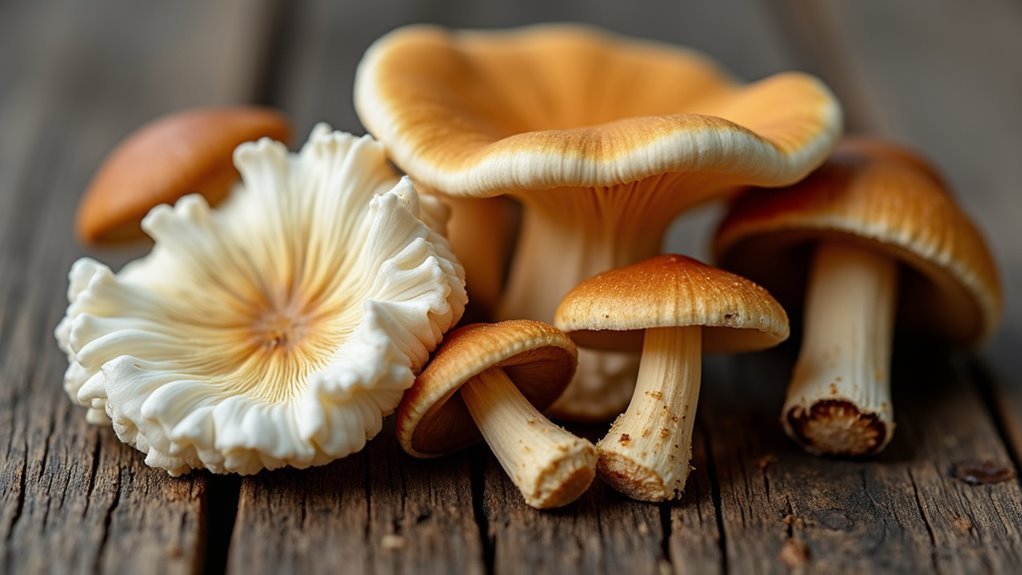
You’ll find exceptional vitamin D support for muscle health in five key mushroom varieties. Shiitake mushrooms deliver up to 1,000 IU of vitamin D2 per cup when UV-exposed, while cremini mushrooms provide approximately 1,100 IU per serving. Maitake and portobello mushrooms offer substantial bioavailable vitamin D that’s easily absorbed by your body. Morel mushrooms contribute 136 IU per cup and enhance muscle recovery. These plant-based sources work perfectly for maintaining muscle strength, and there’s much more to discover about maximizing their benefits.
Shiitake Mushrooms: Natural Vitamin D2 Powerhouses for Muscle Strength
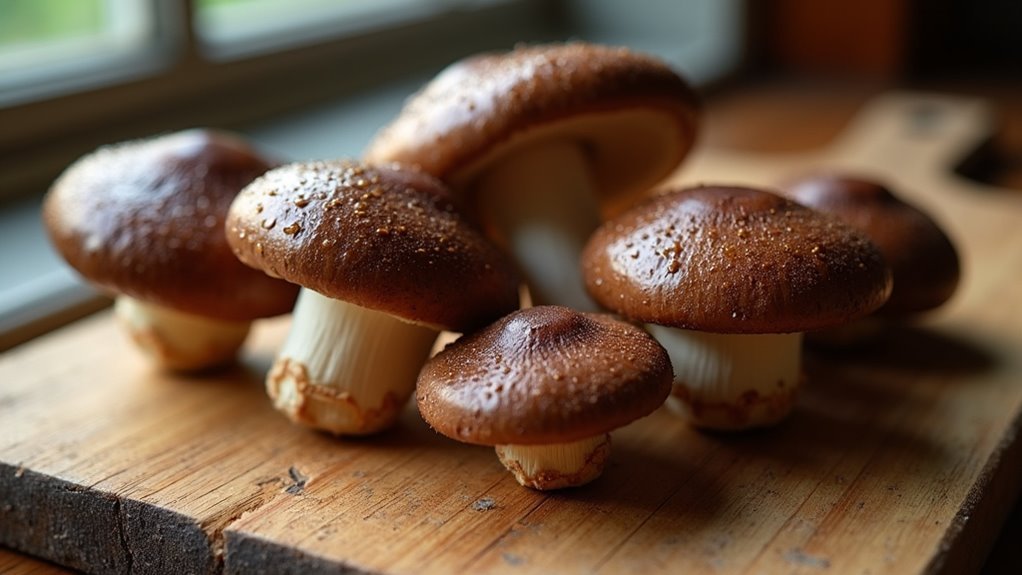
Powerhouses of nutrition, shiitake mushrooms deliver exceptional vitamin D2 content that directly supports your muscle strength and function. When exposed to UV light, these mushrooms produce up to 1,000 IU of vitamin D per cup, exceeding your daily requirements.
This food-based solution effectively raises serum 25(OH)D levels, preventing muscle weakness and maintaining peak function.
You’ll benefit from shiitake mushrooms’ beta-glucans, which boost immune health while enhancing your body’s response to vitamin D supplementation.
If you’re following plant-based diets, regular shiitake consumption becomes essential for meeting vitamin D needs naturally. Unlike synthetic supplements, these mushrooms provide bioavailable vitamin D2 alongside complementary nutrients that work synergistically to improve your overall health and muscle performance through consistent dietary intake.
Maitake Mushrooms: UV-Enhanced Nutrition for Optimal Muscle Function
When UV light transforms ordinary maitake mushrooms into vitamin D powerhouses, you’re getting one of nature’s most effective solutions for muscle function enhancement.
These UV-enhanced fungi deliver substantial vitamin D that your body readily absorbs, dramatically improving bioavailability compared to synthetic supplements. You’ll experience elevated serum 25(OH)D levels that directly support calcium absorption and muscle contraction mechanics.
UV-enhanced maitake mushrooms provide superior vitamin D bioavailability, boosting serum levels and optimizing calcium absorption for enhanced muscle function.
What makes maitake mushrooms exceptional is their dual-action benefits. Beyond addressing vitamin D deficiency, they’re packed with beta-glucans that boost immune function while supporting overall health.
You’re implementing a smart dietary strategy when you regularly consume UV-exposed maitake mushrooms, especially if you have limited sunlight exposure. This natural approach effectively combats deficiency while promoting ideal muscle health through enhanced nutrient absorption and improved muscular strength.
Portobello Mushrooms: Large Caps Packed With Muscle-Supporting Vitamin D
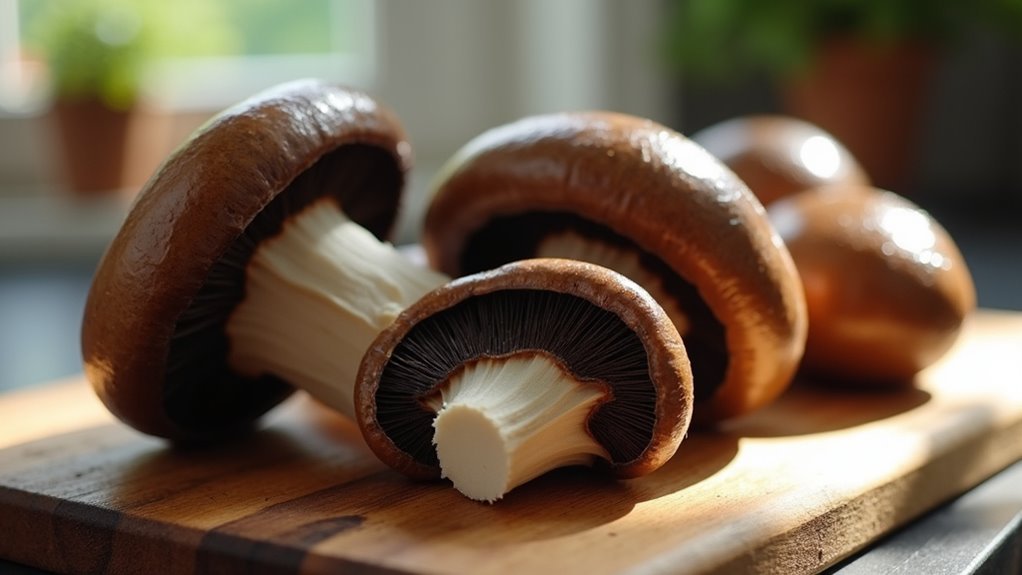
Giants among mushrooms, portobello caps deliver an impressive vitamin D punch that’ll transform your muscle health strategy. When exposed to UV light, these massive mushrooms produce approximately 1,000 IU of vitamin D2 per large cap—exceeding your daily requirements.
This plant-based source proves invaluable for vegans and vegetarians seeking enhanced nutrient intake without animal products.
You’ll benefit from vitamin D’s essential role in muscle function and strength development. Regular consumption improves your vitamin D status while reducing deficiency risks.
Portobello mushrooms are incredibly versatile in the kitchen, allowing effortless integration into countless dishes. Whether grilled, stuffed, or roasted, these meaty caps provide substantial muscle-supporting nutrition that’ll elevate your fitness goals and overall health.
Cremini Mushrooms: Affordable Daily Sources of Bone and Muscle Health
While portobello mushrooms offer impressive vitamin D content, cremini mushrooms provide an even more practical solution for daily muscle and bone health support. When exposed to UV light, these affordable sources deliver approximately 1100 IU of vitamin D per cup, considerably exceeding your daily requirements.
You’ll find cremini mushrooms particularly cost-effective for addressing vitamin D deficiency without straining your budget. Regular consumption helps improve calcium absorption, directly supporting your bone health and muscle function.
If you’re following plant-based diets, cremini mushrooms become invaluable since they’re among the few non-animal vitamin D sources available. You can easily incorporate them into daily meals, making consistent dietary intake simple.
This accessibility makes cremini mushrooms an ideal choice for maintaining peak muscle health year-round.
Morel Mushrooms: Wild Varieties With Superior Vitamin D Content for Athletic Performance
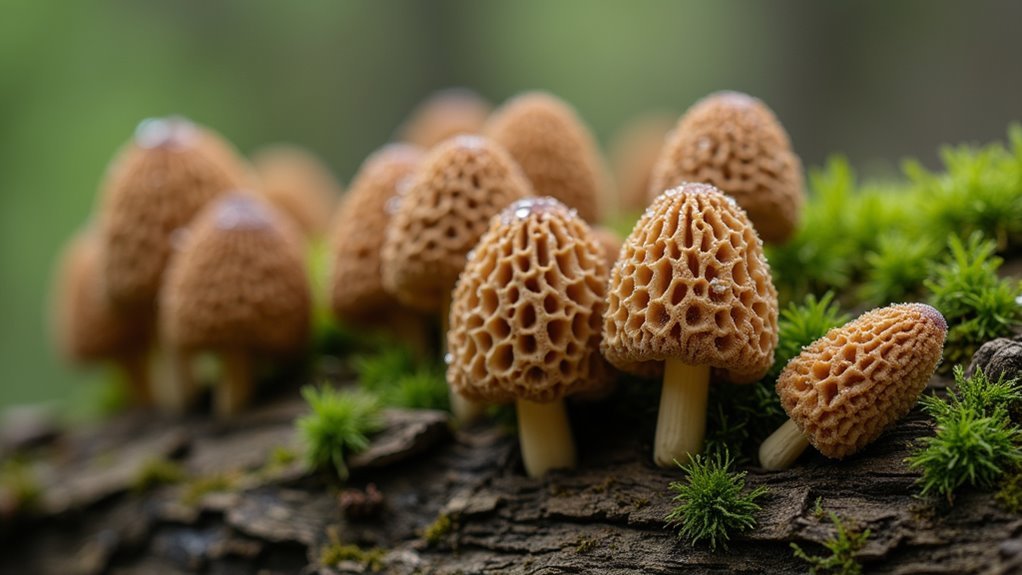
Morel mushrooms stand out as exceptional wild varieties that deliver superior vitamin D benefits for athletes seeking peak performance. When exposed to UV light, these wild mushrooms provide approximately 136 IU of vitamin D per cup, making them powerful non-animal sources for muscle health enhancement.
| Performance Benefits | Why It Matters |
|---|---|
| Enhanced muscle strength | Vitamin D enhances calcium absorption |
| Faster recovery times | Essential nutrients support muscle function |
| Peak athletic performance | Superior vitamin D content fuels endurance |
You’ll find morel mushrooms particularly valuable because they’re among the few plant-based options that naturally boost vitamin D levels. For maximum benefits, consume fresh or UV-exposed varieties rather than standard commercial mushrooms. This approach guarantees you’re maximizing the vitamin D content that directly supports your athletic performance and overall muscle health.
Frequently Asked Questions
Which Mushroom Is Highest in Vitamin D?
UV-exposed cremini mushrooms contain the highest vitamin D levels, providing up to 1,100 IU per cup. You’ll get 139% of your daily requirement from this single serving, making them superior to other mushroom varieties.
What Is the Best Mushroom for Muscles?
You’ll want UV-exposed shiitake mushrooms for muscle health. They’re packed with vitamin D, providing over 1000 IU per serving, which supports muscle strength, recovery, and performance while reducing injury risk.
Do Mushrooms Help With Vitamin D Deficiency?
Yes, you’ll find UV-exposed mushrooms effectively combat vitamin D deficiency. They’ll raise your vitamin D levels by 67-91%, with one serving providing over 100% of your daily recommended intake.
Does Lion’s Mane Mushroom Contain Vitamin D?
Lion’s mane mushroom doesn’t contain significant vitamin D naturally. Unlike other mushrooms, it won’t produce substantial vitamin D2 even with UV exposure. You’ll need other sources for vitamin D supplementation.


