
You’ll absorb zinc more effectively from food sources than supplements, with oysters delivering 33mg per serving compared to less bioavailable pill forms. Choose zinc-rich foods like beef, pumpkin seeds, and chickpeas for peak absorption and overall nutrition. However, supplements become necessary if you’re severely deficient, pregnant, vegetarian, or have absorption issues that prevent meeting the 8-11mg daily requirement through diet alone. Understanding timing, dosage, and potential risks will help you make the smartest choice for your health.
Understanding Zinc’s Role in Immune System Function
When your body faces an infection or illness, zinc becomes one of your most vital allies in mounting an effective immune response. This essential mineral supports T-lymphocytes and natural killer cells while reducing inflammation through its antioxidant properties.
A zinc deficiency weakens your immune system, making you more susceptible to infections and prolonging recovery times.
The Recommended Dietary Allowance (RDA) sets daily targets at 11mg for men and 8mg for women. You can meet these needs through zinc-rich foods or supplements, both offering distinct advantages.
Research shows adequate zinc intake reduces cold symptoms’ duration and severity, making this health information significant when deciding between dietary sources and supplementation for ideal immune system function.
Identifying Signs Your Body Needs More Zinc
How can you tell if your body isn’t getting enough zinc? Several telltale signs indicate zinc deficiency that you shouldn’t ignore. Your immune system relies heavily on adequate zinc levels, so frequent infections often signal insufficient zinc intake.
| Zinc Deficiency Signs | What Happens |
|---|---|
| Frequent infections | Weakened immune system responses |
| Hair loss | Impaired cell division and maintenance |
| Delayed wound healing | Poor skin repair and regeneration |
| Loss of taste and smell | Affected sensory enzymes |
| Growth impairment (children) | Stunted proper growth and development |
You might also notice hair loss due to compromised cell function. Delayed wound healing becomes apparent when cuts take longer to recover. Loss of taste and smell occurs when zinc affects your sensory enzymes. In children, inadequate zinc can cause growth delays. Recognizing these symptoms helps determine if you need dietary adjustments.
Bioavailability Differences Between Food Sources and Supplements
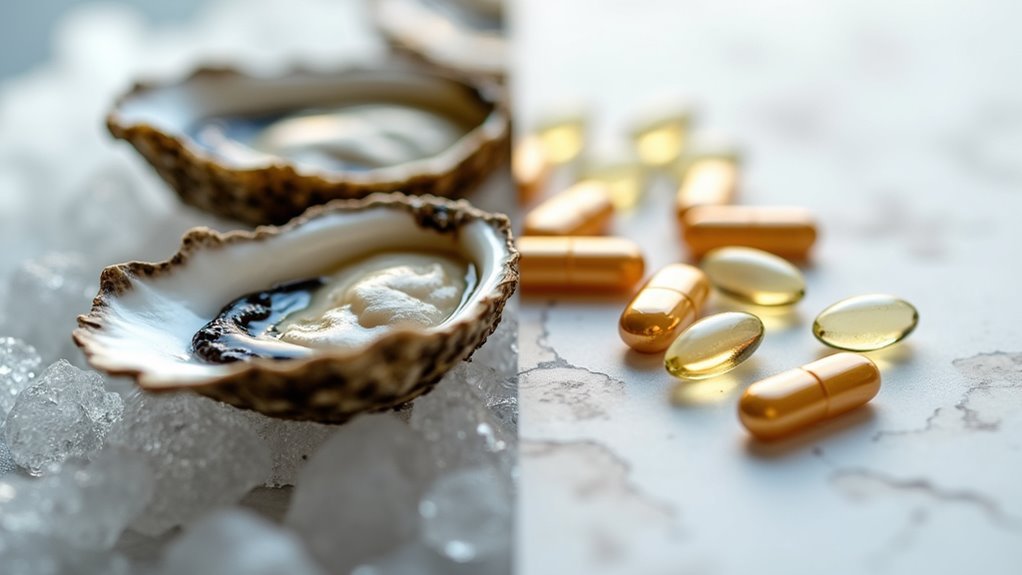
Understanding zinc’s bioavailability reveals why food sources consistently outperform supplements in your body’s absorption process.
When you consume zinc-rich foods like oysters, you’re getting superior absorption rates compared to zinc supplements. Six oysters deliver 33 mg of zinc alongside complementary nutrients that enhance utilization, while supplements offer isolated zinc with diminished bioavailability.
Your dietary sources matter greatly. Animal-based foods provide the most absorbable zinc, whereas plant options like pumpkin seeds contain phytates that can inhibit absorption.
However, you shouldn’t avoid plant sources entirely – they still contribute valuable zinc to your diet.
Unless you’re experiencing zinc deficiency, you’ll typically meet your needs through varied dietary sources rather than relying on supplements for ideal absorption and overall health benefits.
Top Zinc-Rich Foods for Natural Intake
Nature’s zinc powerhouses can transform your daily nutrition with remarkable efficiency. Oysters top the list with an impressive 33 mg of zinc in just six pieces, far exceeding your Recommended Dietary Allowance (RDA).
Six oysters pack 33 mg of zinc, delivering exceptional nutritional power that easily surpasses your daily requirements.
If you’re not shellfish-inclined, beef provides solid nutrition with 3.8 mg of zinc per 3-ounce serving.
Plant-based eaters aren’t left behind—pumpkin seeds deliver 2.9 mg of zinc per ounce and blend perfectly into common meals.
Chickpeas offer 1.5 mg of zinc per 100 grams while supporting your body with fiber and protein.
Even vegetables like spinach contribute 0.8 mg of zinc per cooked cup alongside essential antioxidants.
These good sources of zinc help prevent becoming zinc deficient while supporting overall health naturally through whole foods.
When Zinc Supplements Make Sense for Your Health
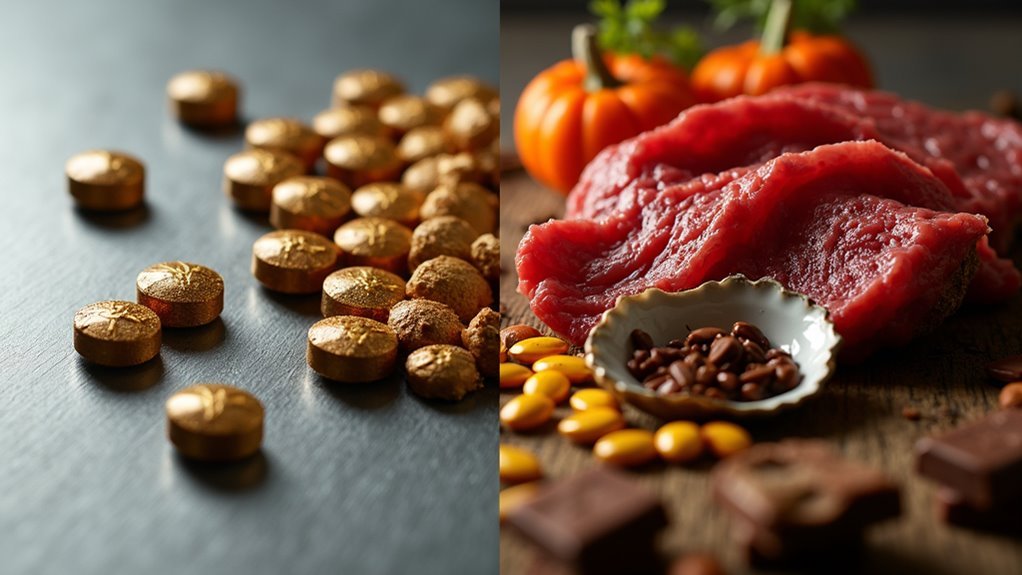
You’ll need zinc supplements if you’re dealing with severe deficiency, have medical conditions that impair absorption, or follow restrictive diets that limit zinc-rich foods.
Certain health situations like digestive disorders, pregnancy, or plant-based eating patterns can make it nearly impossible to meet your daily zinc requirements through food alone.
These circumstances require targeted supplementation to restore adequate zinc levels and prevent serious health complications.
Severe Deficiency Cases
While food sources typically provide adequate zinc for most people, certain circumstances make supplementation not just helpful but medically necessary. If you’re experiencing severe deficiencies, zinc supplements can dramatically improve symptoms within 24 hours, particularly digestive issues like diarrhea.
Meeting the Recommended Dietary Allowance (RDA) becomes challenging when you’re pregnant, lactating, or following restrictive diet patterns. Vegetarians often struggle to achieve adequate intake through foods alone, making supplementation essential.
You’ll also need zinc supplements if you have conditions affecting absorption, such as Crohn’s disease or other digestive disorders. Blood tests can confirm your deficiency status and help determine appropriate supplementation dosages for your specific health needs.
Medical Condition Requirements
Medical conditions often create situations where your body can’t absorb zinc properly or requires higher amounts than typical dietary sources provide.
If you’re dealing with digestive disorders or specific life stages, zinc supplements might be necessary to meet your Recommended Dietary Allowance (RDA).
Consider supplementation if you have:
- Digestive disorders like Crohn’s disease or celiac disease that impair absorption and prevent adequate dietary intake
- Pregnancy or breastfeeding status requiring 11-12 mg daily to support development and milk production
- Vegan and vegetarian diets that restrict zinc-rich animal proteins, making deficiency more likely
- Zinc deficiency symptoms including frequent infections or poor wound healing that don’t improve with food alone
Always consult your health care provider before starting zinc supplements, especially if you’re pregnant or breastfeeding, to determine appropriate dosing and avoid interactions.
Dietary Restriction Scenarios
Certain dietary choices can greatly limit your zinc intake, making supplements an important tool for maintaining ideal health.
If you’re vegan or vegetarian, you’ll likely struggle meeting zinc needs through dietary sources alone, as plant-based foods contain less bioavailable zinc. Taking zinc supplements becomes vital for preventing zinc deficiency in these scenarios.
Pregnant women require elevated zinc intake during this significant period, and supplements can bridge nutritional gaps when diet falls short.
Older adults face decreased zinc absorption naturally, making supplementation beneficial for immune support.
If you have gastrointestinal disorders like Crohn’s or celiac disease, your body can’t absorb zinc efficiently from food. Consulting health professionals about appropriate supplementation guarantees you maintain adequate zinc levels despite dietary restrictions or absorption challenges.
Optimal Dosage and Safety Considerations
Understanding proper zinc dosage becomes essential when you’re deciding between supplements and food sources for meeting your nutritional needs.
The Recommended Dietary Allowance (RDA) varies by demographic, with adult men requiring 11 mg daily and women needing 8 mg, except during pregnancy and lactation.
When considering zinc supplements, these safety considerations matter:
- Never exceed 40 mg daily to avoid potential side effects like nausea and headaches
- Monitor for copper deficiency from excessive zinc intake over time
- Space medication interactions properly—take antibiotics 2 hours before or 4-6 hours after zinc
- Choose dietary sources first when possible to minimize risks
You’ll find ideal dosage easier to achieve through food, but always consult a healthcare professional before starting supplements.
Frequently Asked Questions
Is Zinc From Food Better Than Supplements?
You’ll absorb zinc better from food sources than supplements. Foods provide higher bioavailability and additional nutrients that enhance zinc’s benefits. You can easily meet daily requirements through oysters, meat, seafood, legumes, and nuts.
What Is the Best Form of Zinc to Take?
You’ll find zinc picolinate offers the best absorption among supplement forms. It’s more bioavailable than zinc sulfate or gluconate, making it your most efficient choice for meeting daily requirements.
Is It Better to Take Zinc With Food or Without Food?
You’ll absorb zinc better when taking it with food, as this reduces stomach irritation and nausea. However, avoid high-calcium foods or dairy, which can interfere with absorption.
Do You Get Enough Zinc From Food?
You’ll likely get enough zinc from food if you’re eating a balanced diet with meat, seafood, or diverse plant sources. However, vegetarians and vegans might struggle due to lower absorption rates.


