
You can boost your immune system and fight cold symptoms by eating these seven zinc-rich foods: oysters (74.1 mg per serving), beef (7 mg per portion), dark chicken meat (3.2 mg), garbanzo beans (2.8 mg), quinoa (2 mg), cashews (1.6 mg per ounce), and yogurt (2 mg per container). These foods provide essential zinc that supports tissue repair, reduces infection vulnerability, and strengthens your body’s natural defenses. Discover how each option uniquely supports your recovery journey.
Oysters: The Ultimate Zinc Powerhouse for Cold Prevention
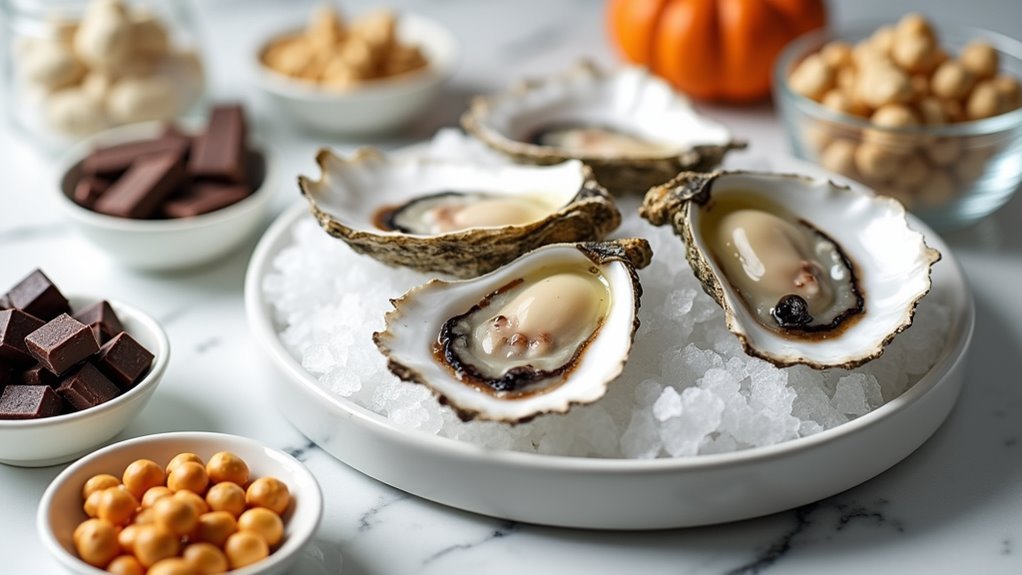
When you’re battling the sniffles or want to ward off your next cold, oysters emerge as nature’s most powerful zinc delivery system.
These shellfish deliver an astounding 74.1 mg of zinc per 3-ounce serving, making them unmatched among zinc-rich foods. Your immune system relies heavily on adequate zinc levels to function effectively, and zinc deficiency can leave you vulnerable to frequent infections.
Each large oyster contains about 1 mg of zinc, so enjoying several can greatly impact your daily zinc requirements.
Research shows zinc supplementation may reduce the duration of a cold when taken early. Whether you’re slurping them raw or cooked, oysters provide a delicious strategy for preventing cold symptoms while supporting tissue repair and overall immune function.
Beef: A Protein-Rich Source Delivering Nearly 100% Daily Zinc
You’ll get nearly 100% of your daily zinc needs from just a three-ounce serving of beef, making it one of the most efficient ways to boost your immune system during cold season.
This protein powerhouse doesn’t just deliver exceptional zinc content—it’s also incredibly versatile in your kitchen. You can easily incorporate beef into stir-fries, soups, and salads, ensuring you’re getting cold-fighting nutrients without sacrificing meal variety.
High Zinc Content
While many foods contain zinc, beef stands out as a powerhouse source that delivers nearly 100% of your daily zinc requirements in just one serving. A three-ounce portion contains approximately 7 mg of zinc, making it one of the most concentrated foods high in this essential mineral.
| Serving Size | Zinc Content |
|---|---|
| 3 oz beef | 7 mg (100% DV) |
| Daily requirement | 8 mg (women) |
| Cold fighting benefit | Reduced duration |
This high zinc content plays a significant role in immune function, potentially helping reduce the duration of common cold symptoms. Unlike zinc supplementation, beef provides natural absorption alongside essential proteins. Health care professionals often recommend incorporating lean cuts into your diet for best tissue repair and immune support during illness onset.
Versatile Meal Options
Because beef adapts seamlessly to countless cooking methods, you can easily incorporate this zinc powerhouse into meals that comfort and nourish during cold season.
You’ll find beef works perfectly in warming stir-fries with vegetables, hearty soups that deliver multiple nutrients, or simple preparations paired with your favorite sides. These versatile meal options guarantee you’re getting high-quality protein alongside zinc’s immune function benefits when you need them most.
Consider adding beef to comforting chili or robust stews that provide sustained energy during recovery. By choosing lean cuts, you’ll maximize health benefits while creating satisfying dishes.
This flexibility makes beef an ideal nutrient source for maintaining strength and supporting your body’s natural defenses throughout cold season.
Dark Chicken Meat: Comfort Food That Boosts Immune Defense
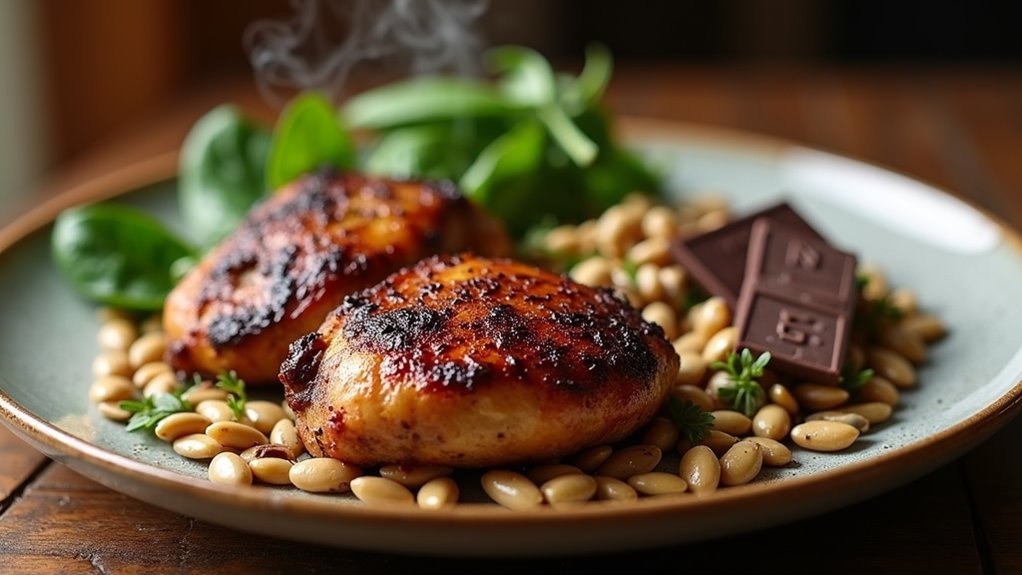
When comfort meets nutrition, dark chicken meat delivers an impressive zinc boost that your immune system craves during cold season. A four-ounce serving packs approximately 3.2 mg of zinc, covering nearly 30% of men’s daily requirements. This comfort food isn’t just satisfying—it’s one of the most effective dietary sources for fighting cold symptoms.
You’ll maximize nutrient intake by combining dark and light meat portions for balanced nutrition. The classic chicken soup preparation transforms this zinc powerhouse into a soothing remedy that’s been trusted for generations.
Choosing pasture-raised options enhances the benefits with superior vitamin content and improved fatty acid profiles. Dark chicken meat supports immune function while providing the comforting nourishment your body needs when battling illness.
Garbanzo Beans: Plant-Based Zinc for Brain and Body Health
Plant-based eaters can power their immune systems with garbanzo beans, a zinc-rich legume that delivers approximately 2.8 mg of this essential mineral per half-cup serving.
You’ll also benefit from their folate and manganese content, which supports brain health and overall health. These versatile beans help prevent zinc deficiency while strengthening immune function – significant benefits for plant-based diets that may lack adequate zinc sources.
You can easily boost your nutrition by incorporating garbanzo beans into salads, soups, or dips like hummus.
Roasted chickpeas make an excellent portable snack that’s both satisfying and nutrient-dense. By regularly including these protein-packed legumes in your meals, you’re supporting your body’s natural defense mechanisms while enjoying their mild, nutty flavor and satisfying texture.
Cashews: Convenient Nuts That Pack Zinc Into Your Snack
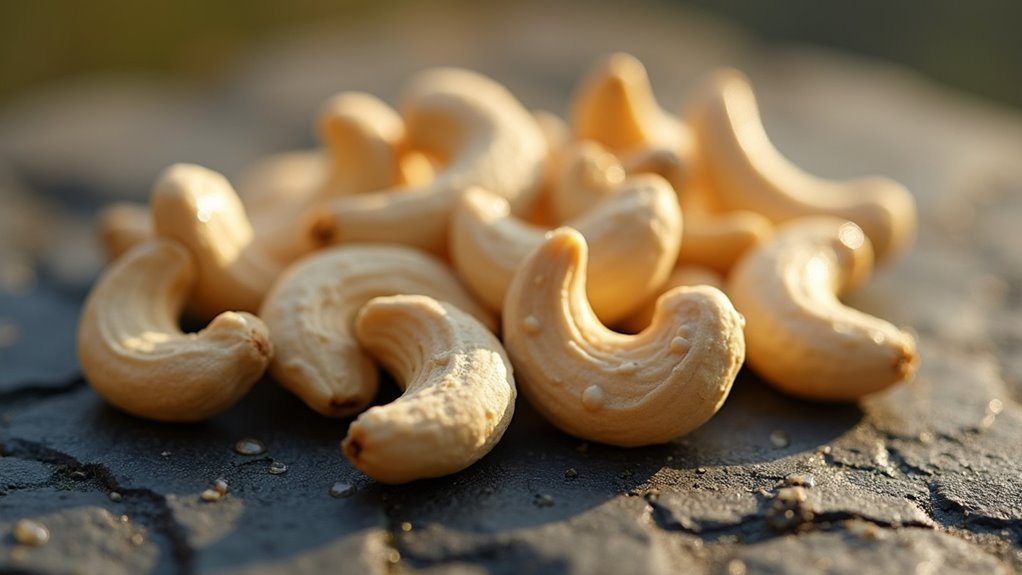
While searching for convenient zinc sources to combat cold symptoms, you’ll find cashews offer an impressive 1.6 mg of zinc per ounce – making them one of nature’s most portable immune boosters.
These versatile nuts support immune function while delivering essential protein and healthy fats that complement zinc’s protective properties.
Cashews deliver a powerful trio of zinc, protein, and healthy fats that work together to strengthen your immune system naturally.
You can easily increase your zinc intake by adding cashews to salads, enjoying them as standalone snacks, or using them as toppings for various dishes.
Making homemade cashew butter provides another delicious way to incorporate this nutrition powerhouse into your diet.
The combination of zinc, protein, and healthy fats makes cashews an ideal choice when you’re fighting cold symptoms and need convenient, nutrient-dense foods that support your body’s natural defenses.
Quinoa: Ancient Grain Providing Gluten-Free Zinc Support
Moving beyond nuts to grains, quinoa delivers approximately 2 mg of zinc per 3/4 cup serving while offering complete freedom from gluten concerns.
This nutritious ancient grain boosts your zinc intake while providing complete protein, making it ideal for supporting immune function when you’re battling cold symptoms.
You’ll find quinoa’s mild flavor works perfectly in salads, soups, or vegetable stir-fries. Its versatility means you can easily incorporate this gluten-free powerhouse into your daily meals without compromising taste.
Beyond zinc, you’re getting fiber, vitamins, and minerals that strengthen your body’s defenses.
Cooking quinoa takes just 15-20 minutes, so you can quickly prepare zinc-rich meals.
Whether you’re managing gluten sensitivity or simply seeking nutritious options, quinoa provides accessible immune support during cold season.
Yogurt: Probiotic-Rich Dairy That Delivers Immune-Supporting Zinc
When you’re seeking a creamy, delicious way to boost your zinc intake, an 8-ounce container of plain low-fat yogurt delivers approximately 2 mg of zinc—that’s about 20% of your daily recommended value.
What makes yogurt particularly powerful for fighting cold symptoms is its unique combination of zinc and probiotics. These beneficial bacteria support gut health while enhancing your immune system’s ability to ward off infections.
Here are four ways yogurt supports your immune defense:
- Provides essential zinc for immune cell function
- Delivers probiotics that strengthen gut immunity
- Offers versatile consumption options for daily intake
- Combines nutrients that work synergistically against cold symptoms
You can enjoy this dairy powerhouse plain, blend it into smoothies, or top it with granola for a nutritious snack that actively supports your body’s natural defenses.
Frequently Asked Questions
How Can I Increase My Zinc When Sick?
You can boost zinc intake by eating oysters, beef, dark chicken meat, cashews, garbanzo beans, and yogurt. These foods provide varying amounts of zinc that’ll help support your immune system during illness.
What Food Is Highest in Zinc?
Oysters are your best bet for zinc, containing about 74.1 mg per 3-ounce serving. That’s nearly nine times more than beef chuck roast, which provides around 8.44 mg per serving.
What Is the Best Zinc for Colds?
You’ll want zinc acetate or zinc gluconate lozenges for fighting colds. Take 75mg daily, divided into 13-23mg doses every two hours. Start immediately when symptoms appear for best results in shortening cold duration.
How Much Zinc Should I Take Daily to Get Rid of a Cold?
You should take 13-23 mg of zinc every two hours when cold symptoms start, totaling 75+ mg daily. Don’t exceed 40 mg daily for regular use, and consult your healthcare provider first.


