
Cultured vegetables like sauerkraut and kimchi contain powerful probiotics that restore your gut’s natural balance while detoxifying harmful substances from your digestive system. You’ll experience enhanced nutrient absorption as fermentation increases bioavailability of essential vitamins and minerals. These beneficial bacteria combat pathogens, reduce inflammation, and support your liver’s natural detox processes. Regular consumption improves bowel regularity, reduces bloating, and boosts energy levels through optimized digestive efficiency. Continue exploring to discover specific varieties and preparation methods.
The Science Behind Cultured Vegetables and Digestive Healing
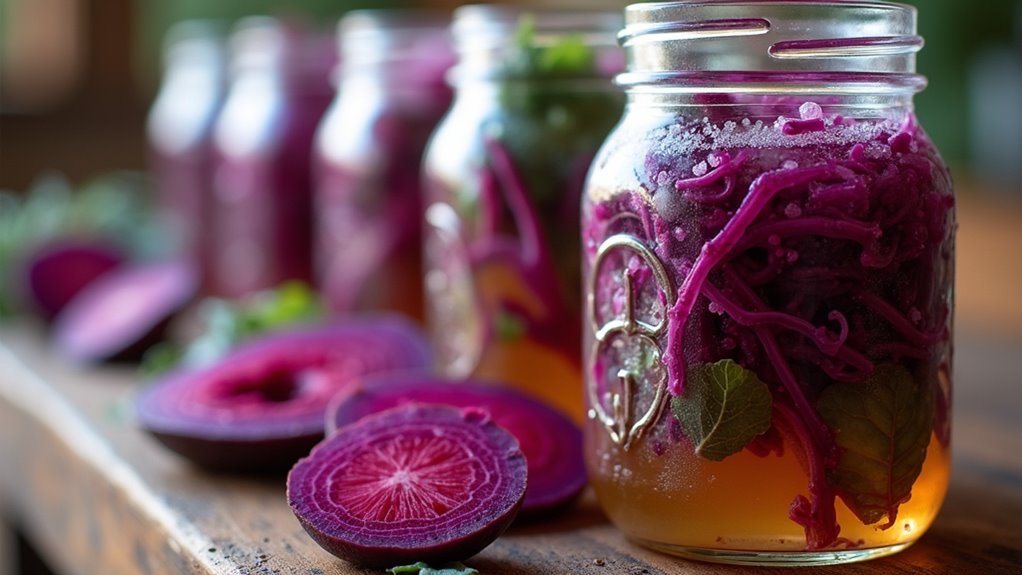
While your digestive system works tirelessly to process food and maintain your health, it often faces disruption from stress, processed foods, and environmental toxins that can throw your gut microbiome out of balance.
Cultured vegetables offer a scientifically-backed solution through their rich concentration of probiotics—beneficial bacteria that actively restore equilibrium to your digestive tract.
The fermentation process transforms ordinary vegetables into therapeutic powerhouses by enhancing nutrient bioavailability, making vitamins and minerals more accessible for your body’s absorption.
These probiotics work strategically to break down harmful substances while promoting beneficial microbe growth, effectively detoxifying your gut.
Additionally, the fiber content supports regular bowel movements and reduces bloating, creating extensive digestive healing that addresses both immediate discomfort and long-term gut health restoration.
How Fermentation Transforms Ordinary Vegetables Into Healing Foods
When ordinary vegetables undergo fermentation, they transform into nutritionally dense healing foods through a remarkable biological process that multiplies their therapeutic value. The fermentation process creates an environment where good bacteria thrive, producing beneficial probiotics that revolutionize your digestive health while dramatically increasing vitamin, mineral, and antioxidant content.
| Transformation | Before Fermentation | After Fermentation |
|---|---|---|
| Nutritional Content | Standard vitamins/minerals | Enhanced bioavailability |
| Digestive Benefits | Basic fiber | Probiotics + improved digestion |
| Flavor Profile | Original taste | Complex, tangy flavors |
| Shelf Life | Limited freshness | Extended preservation |
| Health Properties | Minimal bioactive compounds | Anti-inflammatory compounds |
These fermented foods develop unique bioactive compounds that provide anti-inflammatory and detoxifying properties, making vegetables like sauerkraut and kimchi powerful healing tools for your overall well-being.
Essential Probiotics Found in Cultured Vegetables
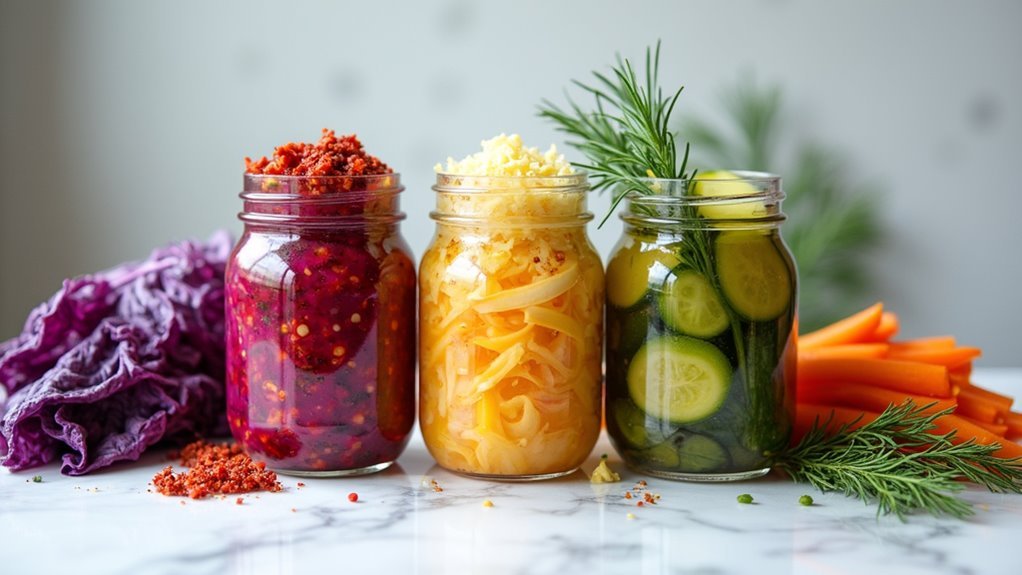
As you explore the world of cultured vegetables, you’ll discover they contain several essential probiotic strains that work synergistically to transform your digestive health.
These beneficial bacteria actively promote a balanced gut microbiome, creating an ideal environment for nutrient absorption and digestion. When you consume sauerkraut and kimchi, you’re introducing live cultures that break down food more efficiently while reducing uncomfortable bloating.
The fermentation process doesn’t just preserve vegetables—it amplifies their nutritional value by enhancing vitamin and mineral availability.
These probiotics combat harmful pathogens in your digestive system, greatly lowering your risk of gastrointestinal disorders. Since your gut microbiome directly influences immune function, regularly eating naturally fermented cultured vegetables strengthens your body’s defense mechanisms while supporting overall digestive wellness.
Natural Detoxification Benefits of Fermented Vegetables
Beyond supporting digestive wellness, fermented vegetables serve as powerful allies in your body’s natural detoxification processes. When you regularly consume this fermented food, you’re enhancing your liver function and promoting toxin elimination through improved gut microbiota balance.
The fermentation process transforms ordinary vegetables into nutrient powerhouses with increased bioavailability. You’ll absorb vitamins and minerals more effectively, directly supporting your detoxification pathways. These cultured vegetables boost your gut health by reducing inflammation and improving digestive function.
| Detoxification Benefit | How Fermented Vegetables Help |
|---|---|
| Toxin Elimination | Probiotics enhance waste removal |
| Nutrient Absorption | Fermentation increases bioavailability |
| Gut Balance | Beneficial bacteria prevent harmful accumulation |
| Inflammation Reduction | Improved digestive function |
| Liver Support | Enhanced natural detoxification mechanisms |
Top Cultured Vegetables for Optimal Gut Health
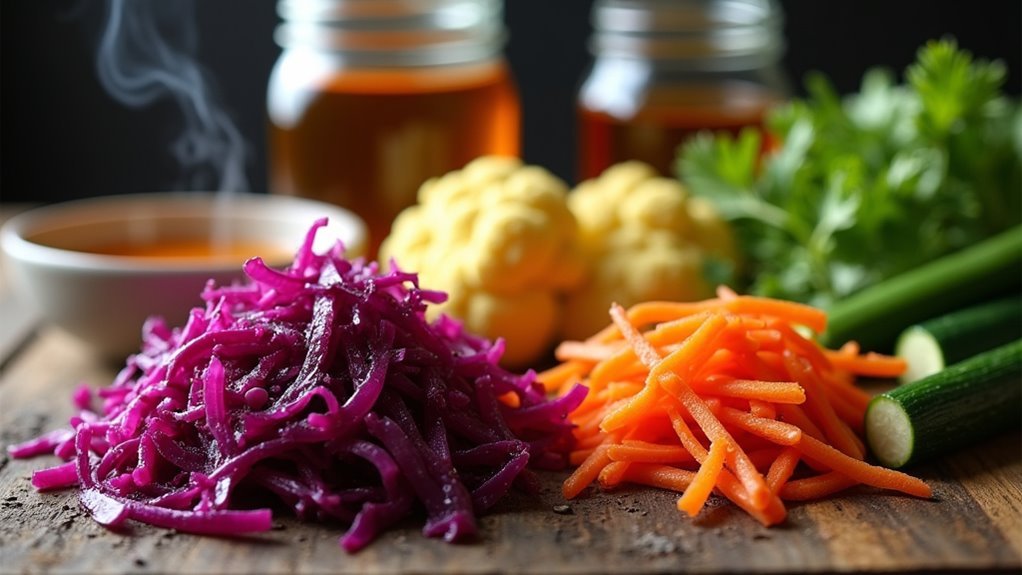
While all fermented vegetables offer gut health benefits, certain varieties stand out as nutritional powerhouses that deliver exceptional probiotic diversity and therapeutic compounds.
Fermented cabbage, including sauerkraut and kimchi, tops the list with its rich microbial content that enhances digestion and supports immune function. These varieties contain live microorganisms that actively promote beneficial bacteria in your gut microbiome.
Fermented cabbage varieties like sauerkraut and kimchi deliver powerful probiotic diversity that actively enhances digestion and strengthens immune function.
Naturally fermented pickles provide significant probiotic benefits, unlike their vinegar-based counterparts that lack beneficial cultures.
You’ll maximize nutrient absorption and reduce inflammation by incorporating these fermented foods regularly into your diet.
Making cultured vegetables at home gives you complete control over ingredients and fermentation time, ensuring peak probiotic potency.
This approach delivers essential vitamins, minerals, and dietary fiber while supporting your body’s natural detoxification processes.
Making Your Own Cultured Vegetables at Home
You can easily create your own cultured vegetables at home with just a few simple steps and basic equipment.
The fermentation process requires minimal setup but benefits from proper attention to storage and maintenance throughout the culturing period.
Let’s explore how to establish your fermentation system and keep your cultured vegetables thriving from start to finish.
Basic Fermentation Setup Steps
Five essential steps will transform fresh vegetables into delicious cultured foods right in your kitchen. You’ll start by selecting organic vegetables and washing them thoroughly. Next, create your brine using sea salt and filtered water.
| Step | Action | Key Details |
|---|---|---|
| 1 | Wash vegetables | Remove dirt and pesticides completely |
| 2 | Prepare brine | 1-3 tablespoons salt per quart water |
| 3 | Pack jars | Leave space for gases, add spices |
| 4 | Add brine | Submerge vegetables completely |
| 5 | Ferment | 3-5 days room temperature |
Pack vegetables tightly into sterilized jars, then pour cooled brine over them. The live cultures develop during fermentation, creating beneficial bacteria similar to any fermented drink made through traditional methods. Monitor daily for bubbles before refrigerating.
Storage and Maintenance Tips
Proper storage makes the difference between cultured vegetables that stay fresh for weeks and those that spoil quickly.
These storage and maintenance tips will help preserve your fermentation’s live organisms and maximize flavor.
Store your jars in a cool, dark place during fermentation, then transfer to the refrigerator once ready.
Monitor daily and taste after three days to determine your preferred tanginess.
Keep vegetables completely submerged in brine—add salted water if levels drop below the surface.
Always use sterilized equipment to prevent contamination.
Once refrigerated, consume within one month for ideal probiotic benefits and flavor.
The fermentation continues slowly in cold storage, so don’t wait too long to enjoy your nutrient-rich cultured vegetables.
Incorporating Cultured Vegetables Into Daily Meals
While cultured vegetables might seem like specialty foods reserved for gourmet meals, they’re actually versatile ingredients that can transform your everyday dishes into probiotic powerhouses.
You can easily add sauerkraut or kimchi to sandwiches and salads, enhancing their nutritional profile with beneficial bacteria that improve nutrient absorption and gut balance. These cultured vegetables work perfectly as burger or taco toppings, delivering tangy flavor alongside digestive health benefits.
Transform ordinary meals into gut-healthy powerhouses by adding tangy sauerkraut or kimchi as flavorful toppings that deliver beneficial probiotics.
Don’t limit these probiotics to lunch and dinner. You’ll boost your fiber and vitamin intake by incorporating kimchi into morning omelets or adding sauerkraut to breakfast bowls.
Making homemade cultured vegetables lets you customize flavors and spices while ensuring maximum live probiotic content for peak digestive support.
Traditional Fermented Vegetables From Around the World
Across continents and centuries, cultures have developed unique fermented vegetable traditions that showcase the remarkable diversity of probiotic foods available to enhance your health.
Germany’s sauerkraut and Korea’s kimchi deliver powerful probiotics through natural fermentation, promoting ideal gut health and digestion.
Eastern European pickled vegetables like fermented cabbage and carrots boost your vitamin C intake while providing antioxidant benefits.
Japan’s miso transforms soybeans into umami-rich fermented paste that supports your immune function with beneficial bacteria.
India’s kanji, made from fermented black carrots and mustard seeds, creates a probiotic-rich beverage that aids detoxification and balances your gut flora.
These traditional brining techniques preserve live cultures that enhance nutrient absorption and deliver significant digestive health benefits.
Healing Properties of Specific Cultured Vegetable Varieties
You’ll discover that specific cultured vegetables offer targeted healing benefits that can transform your health in remarkable ways.
Kimchi’s powerful glucosinolates work as natural cancer-fighting compounds, while sauerkraut’s rich fiber content optimizes your digestive system’s performance.
Fermented pickles pack concentrated probiotic power that strengthens your gut microbiome and enhances your body’s natural detoxification processes.
Kimchi Cancer Fighting Properties
Beyond its distinctive tangy flavor, kimchi delivers remarkable cancer-fighting properties that stem from its unique fermentation process and nutrient-dense ingredients. When you consume this fermented powerhouse, you’re getting potent glucosinolates from cruciferous vegetables that become more bioavailable through fermentation. The probiotics in kimchi actively modulate your gut microbiota, strengthening immune responses that help prevent cancer development.
| Cancer-Fighting Component | Your Health Benefit | Protection Level |
|---|---|---|
| Glucosinolates | Cellular repair enhancement | High |
| Probiotics | Immune system fortification | Moderate-High |
| Antioxidants | Inflammation reduction | High |
Research shows kimchi consumption correlates with lower breast and colorectal cancer rates. You’ll also benefit from vitamins A, C, and K, plus fiber that supports overall health while reducing oxidative stress throughout your body.
Sauerkraut Digestive Fiber Benefits
While many appreciate sauerkraut’s tangy crunch, this fermented cabbage powerhouse transforms your digestive health through its exceptional fiber content and enhanced nutrient profile.
You’ll experience improved bowel regularity and constipation prevention as the dietary fiber works through your digestive system. The fermentation process increases bioavailability of vitamins C and K, making these essential nutrients more accessible for absorption.
You’re also getting beneficial probiotics that restore gut microbiota balance and enhance digestive function. This fiber-rich food helps lower cholesterol levels, supporting heart health through improved digestion.
Additionally, you’ll notice increased satiety after meals, as sauerkraut’s fiber content keeps you feeling fuller longer, potentially supporting your weight management goals naturally.
Fermented Pickle Probiotic Power
Fermented pickles pack a probiotic punch that goes far beyond their satisfying crunch and bold flavor. When you consume naturally fermented varieties, you’re introducing beneficial bacteria that revolutionize your gut microbiome. These probiotics enhance digestion while reducing inflammation throughout your digestive tract.
| Probiotic Strain | Health Benefits | Impact |
|---|---|---|
| Lactobacillus plantarum | Immune system boost | Stronger defenses |
| Lactobacillus brevis | Anti-inflammatory | Reduced gut irritation |
| Leuconostoc mesenteroides | Vitamin synthesis | Enhanced nutrition |
| Pediococcus pentosaceus | Pathogen inhibition | Protected digestive tract |
| Lactobacillus acidophilus | Mood regulation | Improved mental clarity |
Regular consumption supports your gut-brain connection, positively influencing mood and mental well-being. The antioxidants and vitamins in fermented pickles amplify detoxification processes, helping your body eliminate toxins more effectively while strengthening overall digestive health.
Signs Your Digestive System Is Responding to Cultured Vegetables
How can you tell if your digestive system is benefiting from cultured vegetables?
You’ll notice several positive changes within days of adding these probiotic-rich foods to your diet.
First, bloating and gas will decrease as beneficial bacteria restore your gut flora balance.
Beneficial bacteria from cultured vegetables work to restore your gut flora balance, naturally reducing uncomfortable bloating and gas.
You’ll experience improved regularity with less constipation since probiotics optimize digestive function.
Your energy levels will increase as enhanced nutrient absorption provides better bioavailability of vitamins and minerals.
If you suffer from irritable bowel syndrome, symptoms often improve as the healthier gut microbiome develops.
You’ll find yourself feeling more energized overall, thanks to improved digestive efficiency.
These signs indicate your digestive system is successfully responding to cultured vegetables’ healing properties.
Combining Cultured Vegetables With Other Healing Foods
Once you recognize these positive changes in your digestive system, you can amplify the benefits by strategically pairing cultured vegetables with other healing foods.
Combining them with garlic and ginger enhances their detoxifying properties through allicin and anti-inflammatory compounds. Adding turmeric boosts anti-inflammatory benefits with curcumin’s powerful digestive healing effects.
You’ll maximize nutrient absorption by incorporating healthy fats like avocado or olive oil, which help your body absorb fat-soluble vitamins.
Pairing cultured vegetables with high-fiber foods such as whole grains or legumes further supports gut health by promoting regularity and feeding beneficial bacteria.
Consuming them alongside high-antioxidant foods like berries and leafy greens amplifies health benefits, enhancing detoxification and reducing oxidative stress throughout your system.
Storage and Safety Tips for Homemade Cultured Vegetables
You’ll need to master proper storage techniques to keep your cultured vegetables safe and delicious for weeks.
Refrigeration plays an essential role in slowing fermentation once your vegetables reach their desired flavor profile.
Knowing how to spot spoilage signs protects you from foodborne illness and guarantees you’re getting the maximum probiotic benefits from your homemade creations.
Proper Refrigeration Methods
Proper storage transforms your freshly fermented vegetables from active cultures into shelf-stable delicacies that’ll maintain their tangy flavor and probiotic benefits for weeks. These proper refrigeration methods guarantee your foods contain probiotics that’ll support digestive health effectively.
| Storage Element | Requirement | Duration |
|---|---|---|
| Temperature | Refrigerated (32-40°F) | Up to 1 month |
| Container | Airtight, sterilized jars | Entire storage period |
| Brine Level | Vegetables fully submerged | Check weekly |
Once you’ve sealed your cultured vegetables in airtight containers, refrigeration slows fermentation while enhancing flavor development. Check periodically that vegetables remain submerged in brine, adding salted water if needed to prevent spoilage. Always use sterilized utensils when handling stored vegetables to minimize contamination risks.
Signs of Spoilage
While proper storage extends your cultured vegetables’ lifespan, recognizing spoilage signs protects you from potential health risks.
Check for off-putting smells, mold growth, or color changes that indicate your vegetables aren’t safe to consume. If vegetables float above the brine, they’re at spoilage risk—keep them submerged to prevent air exposure.
A sour taste is normal in fermented foods, but excessively bitter or unpleasant flavors may signal spoilage.
Store your cultured vegetables in sterilized jars, seal tightly, and refrigerate to slow fermentation. They’ll last up to one month when properly stored.
Always taste a small amount before consuming larger portions. These precautionary measures help reduce food safety risks.
When you’re uncertain about your vegetables’ safety, it’s best to discard them entirely.
Frequently Asked Questions
What Vegetables Are Good for Cleansing Your Gut?
You’ll benefit from eating leafy greens like kale and spinach, cruciferous vegetables such as broccoli and Brussels sprouts, fiber-rich beets, antimicrobial garlic, and fermented vegetables like sauerkraut for ideal gut cleansing.
Is It Okay to Eat Fermented Vegetables Every Day?
Yes, you can eat fermented vegetables daily. They’ll provide beneficial probiotics for gut health and improved digestion. However, watch your sodium intake from pickled varieties and maintain balance with other foods.
How Long Does It Take for Fermented Foods to Heal the Gut?
You’ll notice initial gut healing effects within days of eating fermented foods regularly. Digestive improvements appear in one to two weeks, while significant microbiome changes occur after three to four weeks of consistent consumption.
What Is the Number One Vegetable for Gut Health?
Sauerkraut’s your best choice for gut health. You’ll get approximately one billion live probiotics per serving, plus exceptional microbial diversity that outperforms other fermented foods, supporting your digestive system and reducing bloating effectively.


