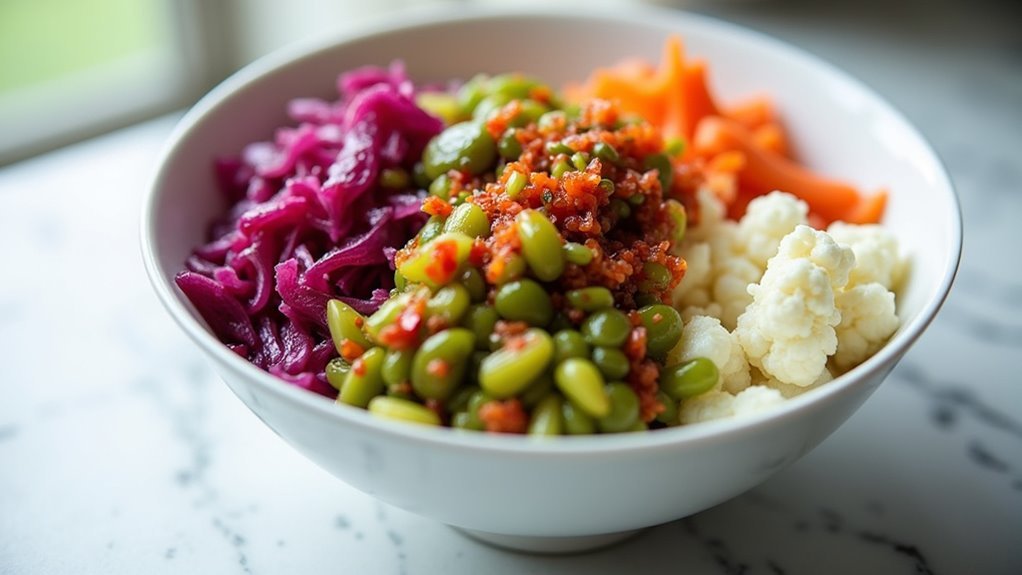
You can find significant IBD relief through specific cultured vegetables that restore gut microbiome balance and reduce inflammation. Sauerkraut provides Lactobacillus bacteria that regulate your digestive system, while kimchi delivers powerful anti-inflammatory probiotics. Fermented beets and root vegetables enhance nutrient absorption, and cultured pickles offer digestive comfort through beneficial bacteria. These fermented foods promote short-chain fatty acid production, strengthen your intestinal barrier, and create an environment where healing bacteria thrive, supporting extensive IBD management strategies.
Understanding IBD and Gut Microbiome Imbalance
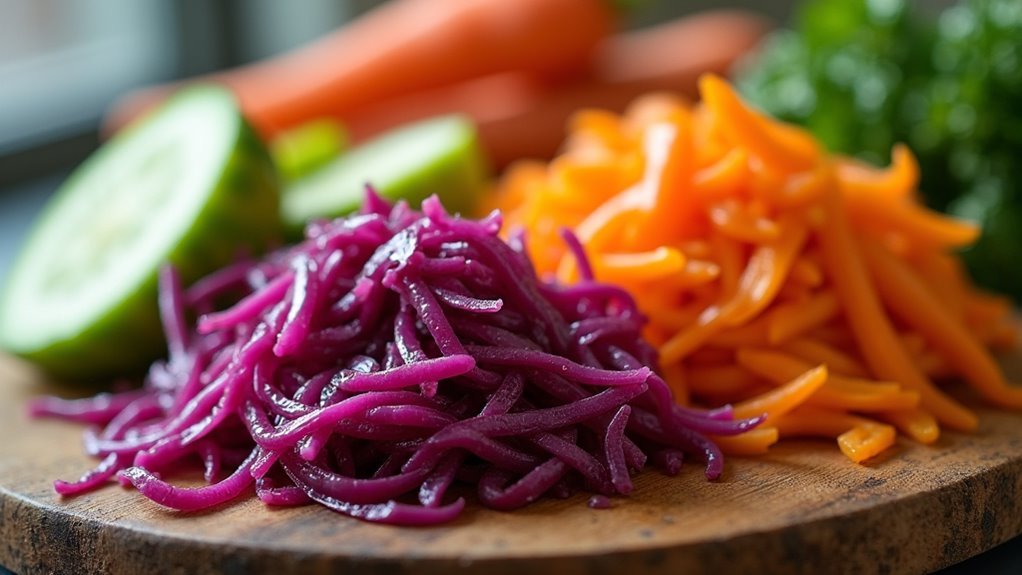
When your digestive system becomes chronically inflamed due to Inflammatory Bowel Disease (IBD)—including Crohn’s disease and ulcerative colitis—it disrupts the delicate balance of your gut microbiome, creating a condition called dysbiosis.
This imbalance reduces beneficial bacteria in your intestinal tract, which can worsen inflammation and intensify your IBD symptoms.
Your gut microbiome plays an essential role in digestion, immune function, and nutrient absorption.
When dysbiosis occurs, you’ll likely experience increased inflammation that perpetuates the cycle of IBD flare-ups.
The diverse array of bacteria that normally maintains your intestinal health becomes compromised, making symptom management more challenging.
Fortunately, incorporating probiotic foods into your diet can help restore microbiome balance and potentially provide relief from IBD-related symptoms through natural gut healing.
How Cultured Vegetables Support Digestive Healing
When you consume cultured vegetables like kimchi and sauerkraut, you’re introducing beneficial probiotic bacteria such as Lactobacillus that actively restore balance to your disrupted gut microbiome.
These probiotics don’t just populate your intestines—they reduce inflammation throughout your digestive tract, helping alleviate the bloating and abdominal pain you experience with IBD.
You’ll also strengthen your intestinal barrier as these fermented foods promote the production of short-chain fatty acids that support gut healing and regulate inflammatory responses.
Probiotic Bacteria Restore Balance
Your gut’s delicate ecosystem faces constant disruption when you’re dealing with IBD, but cultured vegetables offer a powerful way to restore that essential balance. These fermented foods deliver beneficial probiotic bacteria directly to your digestive system, where they work to reestablish healthy microbial communities.
The lactic acid bacteria in kimchi and sauerkraut actively combat inflammation while promoting healing in your intestinal lining. Specific strains like Lactobacillus mesenteroides enhance your gut health by increasing short-chain fatty acid production, which strengthens your intestinal barrier function.
When you consume cultured vegetables regularly, you’re diversifying your gut bacteria population – a vital factor for peak immune system performance.
This bacterial diversity becomes especially important during IBD flare-ups, when probiotic support can provide meaningful symptom relief.
Reduce Gut Inflammation
Cultured vegetables work as natural anti-inflammatory agents that target the root causes of digestive distress in IBD patients.
When you consume fermented vegetables like kimchi and sauerkraut, you’re delivering powerful probiotics that actively combat gut inflammation. These beneficial bacteria don’t just sit passively—they engage your immune system to reduce inflammation at the cellular level.
The fermentation process creates specific compounds that help your digestive tract heal:
- Short-chain fatty acids strengthen your intestinal barrier and calm inflammatory responses
- Lactobacillus strains directly target inflamed tissues and promote mucosal repair
- Enhanced nutrients from fermentation provide building blocks for tissue regeneration
Regular consumption of these fermented vegetables helps you maintain lower inflammation levels, leading to reduced abdominal pain and improved overall digestive function.
Strengthen Intestinal Barrier
Beyond reducing inflammation, fermented vegetables provide targeted support for rebuilding and fortifying your intestinal barrier—the critical protective lining that prevents harmful substances from entering your bloodstream.
Cultured vegetables like sauerkraut and kimchi deliver beneficial bacteria that enhance short-chain fatty acid production, which directly strengthens your intestinal barrier while reducing inflammation.
The fermentation process increases nutrient bioavailability, making these foods easier to digest when your gut health is compromised. You’ll benefit from high levels of antioxidants and vitamins that support immune function and promote healing of your intestinal lining.
Regular consumption improves gut motility and digestive health, creating a more robust intestinal barrier that can reduce IBD flare-up frequency and severity.
Sauerkraut: Traditional Fermented Cabbage for Gut Health
When you’re looking for a traditional fermented food that’s been nourishing digestive systems for centuries, sauerkraut stands out as one of the most accessible and effective options for IBD relief.
This simple combination of shredded cabbage and salt creates a powerhouse of beneficial bacteria through a 3-6 week fermentation process.
The key benefits of incorporating sauerkraut into your inflammatory bowel disease management include:
Sauerkraut offers powerful probiotic support, essential nutrients, and natural anti-inflammatory properties to help manage inflammatory bowel disease symptoms effectively.
- Rich probiotic content: Lactobacillus bacteria help regulate your gut microbiome and reduce inflammation
- Essential nutrients: High levels of vitamins C and K, plus dietary fiber support overall digestive health
- Anti-inflammatory properties: Regular consumption may improve symptoms associated with ulcerative colitis
You’ll want to start with just one tablespoon daily to enhance your digestive function and maintain balanced gut bacteria.
Kimchi: Korean Fermented Vegetables for Inflammation Reduction
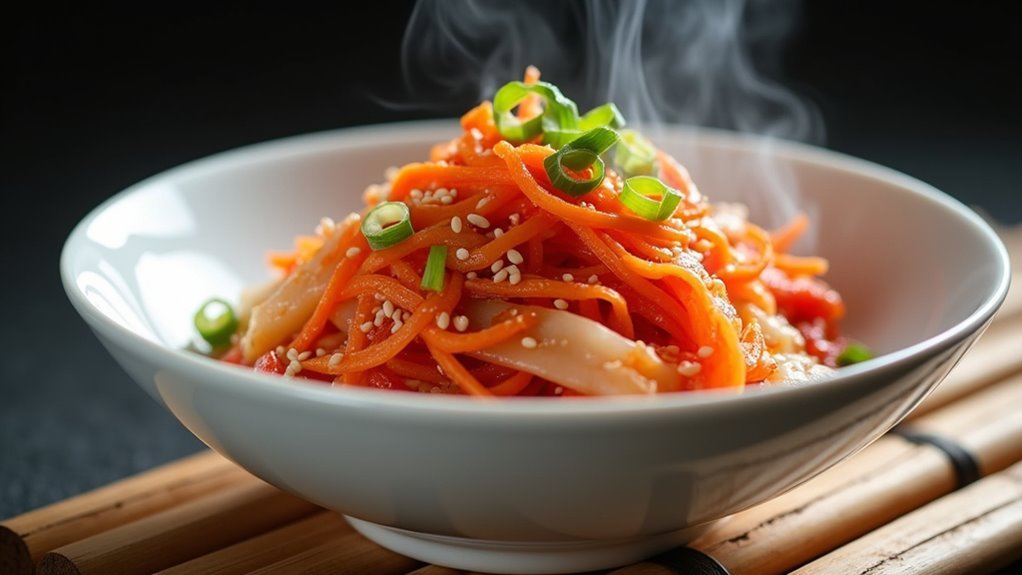
While sauerkraut offers excellent benefits for gut health, kimchi takes fermented vegetables to the next level with its complex blend of Napa cabbage, Korean chili peppers, garlic, and ginger.
This traditional Korean condiment contains powerful lactic acid bacteria, particularly L. mesenteroides, which can help reduce inflammation associated with IBD. The fermented process creates beneficial probiotics that balance your gut bacteria and promote digestive health.
You’ll find kimchi’s rich probiotic content may alleviate colitis symptoms by supporting your microbiome. The typical two-day fermentation period allows these health-promoting bacteria to develop fully.
However, if you have high blood pressure, consume kimchi moderately due to its sodium content. Adding this flavorful fermented vegetable to your meals provides both taste and potential IBD relief.
Fermented Beets and Root Vegetables for IBD Management
You can harness the anti-inflammatory power of fermented beets and root vegetables to manage your IBD symptoms effectively.
The fermentation process transforms these nutrient-dense vegetables into probiotic powerhouses that support your gut microbiome while retaining essential compounds like betalains.
These cultured root vegetables won’t just provide beneficial bacteria—they’ll also deliver the fiber and antioxidants your digestive system needs to reduce inflammation and improve stool consistency.
Beet Fermentation Process
Before you can harness the gut-healing benefits of fermented beets, understanding the fermentation process guarantees you’ll create a probiotic-rich food that supports IBD management.
The beet fermentation process is straightforward and transforms ordinary root vegetables into powerful gut allies. You’ll create an environment where beneficial bacteria flourish while harmful pathogens can’t survive.
Here’s what you need to know:
- Salt brine creation – Mix salt and water to create the perfect medium for beneficial bacteria to thrive.
- Beneficial bacteria cultivation – The fermentation environment encourages gut-friendly microorganisms to multiply naturally.
- Pathogen inhibition – Salt concentration prevents harmful bacteria from contaminating your fermented vegetables.
This simple process enhances your beets’ probiotic content while preserving their natural nitrates and antioxidants, creating an ideal food for IBD symptom relief.
Root Vegetable Probiotics
Building on this fermentation foundation, fermented beets stand out among root vegetables as exceptional probiotic powerhouses for IBD management.
You’ll find that these cultured vegetables deliver beneficial bacteria directly to your gut, where they can reduce inflammation and support digestive healing. The fermentation process makes root vegetables like beets, carrots, and turnips more digestible while amplifying their nutritional value.
When you consume fermented root vegetables regularly, you’re promoting a balanced gut microbiome that’s essential for managing IBD symptoms.
These probiotics work alongside natural prebiotics found in the vegetables, creating a favorable environment for beneficial bacteria growth. You’ll notice improved digestive comfort as these fermented foods help alleviate common IBD-related inflammation and support your overall gut health.
IBD Symptom Relief
While traditional treatments for IBD often focus on symptom suppression, fermented beets and root vegetables offer a natural approach that targets the underlying gut imbalance contributing to your condition.
When you incorporate these cultured vegetables into your diet, you’ll experience significant improvements in your IBD symptoms through multiple mechanisms:
- Enhanced nutrient absorption – The fermentation process increases bioavailability of essential nutrients, supporting your gut’s healing capacity.
- Increased SCFA production – These beneficial compounds directly reduce inflammation and strengthen your intestinal barrier.
- Balanced microbiome – Probiotics from fermented root vegetables restore healthy bacterial populations that crowd out harmful microorganisms.
You’ll find that consistent consumption of these fermented foods creates a foundation for long-term gut health management, offering sustainable relief from IBD symptoms while nourishing your digestive system naturally.
Cultured Cucumber and Pickle Benefits for Digestive Relief
When you’re dealing with IBD symptoms, cultured cucumbers and pickles can offer significant digestive relief through their enhanced probiotic content. The fermentation process generates beneficial bacteria like Lactobacillus, which reduces inflammation and supports your digestive health.
Unlike probiotic yogurt, salt-fermented pickles contain live cultures that directly contribute to restoring your gut microbiota balance.
You’ll benefit from the vitamins and minerals these fermented vegetables provide, including Vitamin K and potassium, which support gut function during flare-ups. Regular consumption can improve gut permeability and reduce bloating – common IBD symptoms that disrupt your daily life.
Choose salt-fermented pickles over vinegar-pickled varieties to guarantee you’re getting those essential live cultures that promote ideal digestive healing.
Fermented Mixed Vegetable Blends for Probiotic Diversity

Fermented mixed vegetable blends take probiotic diversity to the next level by combining multiple vegetables like cabbage, carrots, radishes, beets, and garlic in a single fermented preparation.
When you consume these blends, you’re getting a wider spectrum of beneficial bacteria strains than single-vegetable ferments can provide.
The fermentation process enhances nutrient bioavailability, making probiotics more accessible to your digestive system. This diversity helps restore your gut microbiome balance, which is essential for managing IBD symptoms.
Key benefits you’ll experience include:
- Enhanced immune response modulation through Lactobacillus and Bifidobacterium strains
- Improved gut barrier function that reduces inflammation
- Increased production of anti-inflammatory short-chain fatty acids
Regular consumption of these fermented blends can greatly support your IBD relief efforts while promoting overall digestive health.
Preparing Homemade Cultured Vegetables Safely
Although store-bought cultured vegetables offer convenience, preparing them at home gives you complete control over ingredients and fermentation conditions while ensuring peak therapeutic benefit for your IBD management.
Start by sterilizing all equipment and containers to prevent harmful contamination that could compromise your fermented vegetables’ safety and probiotic content.
Create your brine using filtered water and sea salt, which establishes the ideal environment for beneficial bacteria to flourish while blocking dangerous microbes.
Leave one inch of headspace in jars to accommodate bubbling and expansion during fermentation.
Store your fermenting vegetables in a cool, dark location away from direct sunlight.
Monitor progress by checking for bubbling after three days and tasting after five days to achieve peak sourness and maximum probiotics.
Incorporating Fermented Vegetables Into Your IBD Diet Plan
Since you’ve mastered the art of creating probiotic-rich fermented vegetables at home, you’re ready to strategically integrate these therapeutic foods into your daily IBD management routine.
Start with small portions to gauge your body’s response. Begin with just one tablespoon of sauerkraut daily, gradually increasing as your digestive system adapts. This approach prevents potential gastrointestinal discomfort while allowing beneficial lactic acid bacteria to establish themselves.
Consider these incorporation strategies:
- Add fermented vegetables as side dishes during meals when symptoms are stable
- Mix small amounts into salads or grain bowls for enhanced flavor and gut benefits
- Consume them between flare-ups to maintain beneficial bacteria populations
These good sources of probiotics work best when consumed consistently.
Monitor your symptoms carefully, adjusting portions based on your individual tolerance levels and current IBD activity.
Frequently Asked Questions
What Fermented Foods Are Good for IBD?
You’ll benefit from eating kimchi, kefir, sauerkraut, and yogurt for IBD relief. These fermented foods contain probiotics like Lactobacillus that reduce inflammation, improve digestion, and help restore your gut microbiome balance effectively.
What Vegetables Are Good for Inflammatory Bowel Disease?
You’ll benefit from eating soft, cooked vegetables like carrots, squash, and sweet potatoes. They’re easier to digest and less likely to trigger flare-ups than raw, high-fiber vegetables during active IBD symptoms.
What Fermented Foods Are Good for Inflammation?
You’ll find kimchi, sauerkraut, and kefir are excellent anti-inflammatory fermented foods. They’re packed with probiotics that reduce gut inflammation, produce beneficial short-chain fatty acids, and help restore your microbiome balance naturally.
Does Kefir Help With IBD?
Yes, kefir can help with your IBD symptoms. Studies show drinking 400 mL twice daily reduces abdominal pain and bloating in Crohn’s disease by providing beneficial probiotics that restore gut balance.


