

Fermented vegetables heal your gut by introducing live probiotics like Lactobacillus and Bifidobacterium that colonize your intestines and restore beneficial bacterial balance. These probiotics produce short-chain fatty acids including butyrate, acetate, and propionate that fuel your gut lining, reduce inflammation, and strengthen your intestinal barrier. You’ll experience enhanced microbial diversity that crowds out harmful bacteria while repairing damage from processed foods and medications. The therapeutic compounds in naturally fermented foods transform your digestive wellness through proven biological mechanisms.
The Science Behind Fermentation and Gut Microbiome Balance

When you consume fermented vegetables, you’re introducing live probiotics into your digestive system that actively enhance your gut’s microbial diversity and restore balance to your microbiome.
The fermentation process creates beneficial bacteria that colonize your intestines, increasing overall microbial populations and supporting ideal gut health.
These probiotics stimulate butyrate-producing bacteria, which reduce inflammation and strengthen your intestinal barrier.
As fermented vegetables move through your digestive tract, they promote the production of short-chain fatty acids like acetate and propionate. These compounds fuel your gut lining and support immune function.
Research shows that regular consumption of fermented foods increases fecal metabolite diversity, indicating improved microbiome functionality.
This enhanced bacterial ecosystem helps modulate immune responses while reducing inflammatory markers throughout your body.
How Probiotics in Fermented Vegetables Restore Digestive Health
When you consume fermented vegetables, the live probiotics like Lactobacillus and Bifidobacterium actively colonize your gut, establishing a robust population of beneficial bacteria that crowds out harmful microorganisms.
These probiotics work to reduce inflammation by stimulating butyrate-producing bacteria and increasing short-chain fatty acids like acetate and propionate, which directly combat inflammatory proteins in your digestive system.
You’ll experience enhanced microbiome diversity as these beneficial strains multiply and create an ideal environment for various healthy bacterial species to thrive.
Beneficial Bacteria Colonization Process
As you consume fermented vegetables, the live probiotics they contain begin colonizing your digestive tract and actively restoring microbial balance that’s often disrupted by modern diets and medications.
These beneficial bacteria establish themselves throughout your gut microbiome, creating a foundation for improved digestive health. When you regularly eat lacto-fermented vegetables, you’re introducing diverse microbial strains that stimulate butyrate-producing bacteria, leading to increased microbial diversity within your system.
This colonization process generates short-chain fatty acids like acetate and propionate, which reduce inflammation and support metabolic functions.
The incoming probiotics help restore balance by counteracting harmful effects from processed foods and antibiotics. As beneficial bacteria populations expand, they enhance your digestive function while reducing your risk of gastrointestinal disorders through improved microbial ecosystem stability.
Inflammation Reduction Mechanisms
The probiotics in fermented vegetables actively combat inflammation through multiple biochemical pathways that restore your digestive system’s natural balance. When you consume these foods regularly, beneficial bacteria like Lactobacillus and Bifidobacterium increase microbial diversity in your gut, directly improving immune function.
Clinical trials demonstrate that larger servings of fermented vegetables decrease immune cell activation and reduce inflammatory proteins such as interleukin 6, which contributes to chronic conditions.
These probiotics stimulate production of short-chain fatty acids including butyrate, acetate, and propionate. These compounds lower your gut’s pH, creating an environment where beneficial bacteria thrive while harmful pathogens can’t survive.
Enhanced gut health from fermented vegetables increases fecal metabolites that support anti-inflammatory responses throughout your body, effectively breaking the cycle of chronic inflammation.
Microbiome Diversity Enhancement
Beyond reducing inflammation, fermented vegetables dramatically reshape your gut’s bacterial landscape by introducing diverse probiotic strains that compete with harmful microbes for resources and space.
These beneficial bacteria, including Lactobacillus and Bifidobacterium, enhance gut microbiome diversity while promoting butyrate-producing bacteria growth. You’ll experience increased short-chain fatty acids production, particularly acetate and propionate, which strengthen your intestinal walls and modulate immune responses.
Regular consumption creates measurable changes in your fecal metabolites, indicating improved metabolic functions throughout your digestive system.
This enhanced diversity helps reduce symptoms associated with gastrointestinal disorders while supporting overall digestive health. The probiotics from fermented vegetables establish a more resilient gut environment that better maintains balance against harmful bacteria, ultimately transforming your microbiome composition for peak wellness.
Short-Chain Fatty Acids: The Healing Compounds Fermented Foods Produce
When you eat fermented vegetables, the beneficial bacteria don’t just sit in your gut—they actively produce powerful healing compounds called short-chain fatty acids (SCFAs).
These remarkable molecules work as your body’s internal repair system, directly nourishing your colon cells while reducing inflammation throughout your digestive tract.
You’ll discover how understanding and maximizing SCFA production can transform your gut health and overall well-being.
What Are SCFAs?
Powerhouses of gut healing, short-chain fatty acids (SCFAs) are remarkable compounds that your beneficial gut bacteria produce when they feast on dietary fibers from fermented vegetables.
During the fermentation process, these microorganisms create three primary short-chain fatty acids: acetate, propionate, and butyrate. Each SCFA serves unique functions in promoting gut health and digestive health.
Butyrate stands out as the most vital compound, directly fueling your colonocytes while exhibiting potent anti-inflammatory properties. These SCFAs strengthen your gut barrier, regulate immune responses, and reduce inflammation throughout your digestive system.
Research shows that higher SCFA levels correlate with increased microbial diversity, indicating a thriving gut ecosystem. When you consume fermented foods regularly, you’re fundamentally feeding these beneficial bacteria, encouraging them to produce more healing compounds that transform your overall digestive wellness.
SCFA Gut Benefits
Although these microscopic compounds work quietly behind the scenes, SCFAs deliver profound healing benefits that revolutionize your gut health from the cellular level up. They energize your colon cells while strengthening your gut barrier’s integrity, creating a fortress against harmful invaders.
When you consume fermented vegetables regularly, you’re boosting SCFA production that directly combats inflammation throughout your digestive system. This powerful anti-inflammatory action helps alleviate symptoms of gastrointestinal disorders like irritable bowel syndrome and inflammatory bowel disease.
SCFAs enhance your gut microbiome’s diversity and functionality, creating a thriving bacterial ecosystem. Butyrate specifically calms your immune response by inhibiting inflammatory proteins.
Beyond digestive benefits, these compounds improve your metabolic health by enhancing insulin sensitivity and supporting weight management goals.
Boosting SCFA Production
Your body’s ability to produce these beneficial SCFAs depends largely on feeding the right bacteria the nutrients they crave.
Fermented vegetables provide the perfect fuel through their fermentation process, delivering prebiotics that beneficial gut bacteria transform into powerful healing compounds like butyrate.
When you consistently consume lacto-fermented foods, you’re actively boosting your SCFA production through these mechanisms:
- Enhanced microbial diversity – Creates a richer microbial environment for ideal fermentation
- Stimulated butyrate-producing bacteria – Directly feeds specialized strains that generate healing SCFAs
- Improved metabolic functions – Supports energy production and cellular repair processes
- Strengthened immune function – Enhances your body’s defense systems while promoting better nutrient absorption
This targeted approach transforms your gut health by maximizing the therapeutic potential of naturally occurring SCFAs.
Reducing Inflammation Through Naturally Fermented Vegetable Consumption
When you incorporate naturally fermented vegetables into your diet, you’re actively combating inflammation at the cellular level through powerful microbial mechanisms.
These fermented vegetables enhance your gut health by increasing microbial diversity, which directly correlates with improved immune responses and reduced inflammatory markers.
Research demonstrates that consuming fermented foods decreases 19 inflammatory proteins, including interleukin 6, which contributes to chronic conditions.
Your gut microbiome responds by producing more butyrate-producing bacteria, essential for maintaining ideal digestive health.
Additionally, you’ll experience enhanced production of beneficial short-chain fatty acids like acetate and propionate.
These compounds work synergistically to support your gut barrier function while reducing systemic inflammation.
Regular consumption effectively alters your immune status, leading to less immune cell activation and creating a protective anti-inflammatory environment throughout your body.
Strengthening the Intestinal Barrier With Traditional Fermented Foods

When you consume traditional fermented foods like kimchi and sauerkraut, you’re actively enhancing your gut’s microbiome diversity, which creates a stronger foundation for intestinal barrier function.
These probiotic-rich foods help reduce inflammatory proteins that can weaken your gut lining while simultaneously promoting the production of beneficial compounds that repair damaged barrier tissue.
You’ll find that regular consumption of fermented vegetables supports your intestinal wall’s ability to maintain proper permeability and protect against harmful substances entering your bloodstream.
Microbiome Diversity Enhancement
Although modern diets often lack the microbial richness our ancestors enjoyed, traditional fermented vegetables offer a powerful pathway to restoring gut microbiome diversity. The fermentation process introduces beneficial probiotics that enhance microbial diversity by outcompeting harmful bacteria in your digestive system.
When you regularly consume fermented vegetables, you’ll experience these key health benefits:
- Stimulation of butyrate-producing bacteria that strengthen your intestinal barrier and reduce inflammation
- Increased production of short-chain fatty acids like acetate and propionate for immune regulation
- Enhanced digestive function that lowers your risk of gastrointestinal disorders
- Improved fecal metabolite diversity reflecting better gut microbiome functionality
This microbial enhancement protects you against irritable bowel syndrome and functional constipation.
Inflammatory Protein Reduction
Beyond supporting microbial diversity, fermented vegetables deliver a powerful anti-inflammatory punch that directly reduces harmful proteins circulating in your body. Studies show you’ll experience decreased levels of inflammatory proteins like interleukin 6 when you consume fermented vegetables regularly. These beneficial probiotics strengthen your intestinal barrier, helping prevent leaky gut syndrome while enhancing overall gut health.
| Benefit | Impact |
|---|---|
| Reduced inflammatory proteins | 19 proteins decreased vs. high-fiber diet |
| Less immune cell activation | Calmer immune response |
| Enhanced butyrate-producing bacteria | Stronger intestinal lining |
| Improved microbial diversity | Better inflammation control |
The probiotics from fermented vegetables stimulate butyrate-producing bacteria growth, which plays a critical role in reducing intestinal inflammation and maintaining ideal gut health throughout your digestive system.
Gut Barrier Repair
While inflammation subsides through probiotic action, traditional fermented foods like kimchi and sauerkraut simultaneously work to rebuild and fortify your intestinal barrier from the ground up.
These fermented vegetables deliver targeted probiotics that strengthen your gut barrier through multiple mechanisms:
- Enhanced SCFA Production – Beneficial bacteria produce short-chain fatty acids like butyrate, directly repairing intestinal barrier integrity.
- Increased Microbial Diversity – Regular consumption expands your gut’s bacterial ecosystem, improving overall barrier function.
- Pathogen Defense – Probiotics actively combat harmful microorganisms that compromise gut barrier health.
- Leaky Gut Prevention – Clinical studies show lacto-fermented vegetables reduce gut permeability issues.
Your intestinal barrier becomes more resilient as these beneficial bacteria establish themselves, creating a protective foundation that prevents inflammation and maintains digestive wellness.
Microbial Diversity Enhancement From Regular Fermented Vegetable Intake
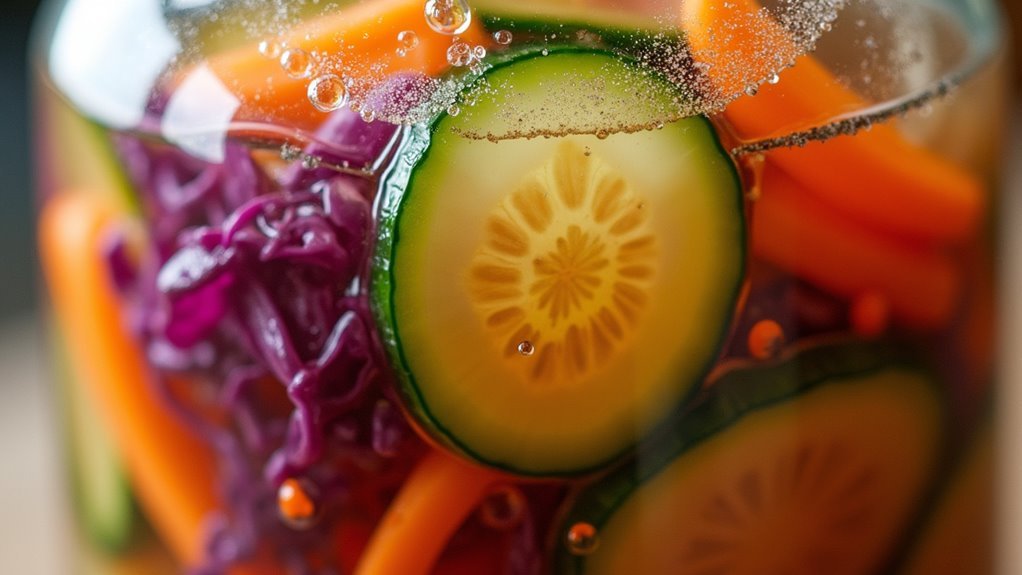
When you consume lacto-fermented vegetables regularly, you’re directly feeding beneficial bacteria that enhance your gut’s microbial diversity—a cornerstone of digestive health.
Regular consumption of these foods increases the variety of microorganisms in your intestines, creating a more robust and resilient microbiome. Studies show that eating fermented vegetables at least five times weekly dramatically improves your gut’s metabolic functions and bacterial richness.
This enhanced microbial diversity triggers increased production of short-chain fatty acids like butyrate, acetate, and propionate. These compounds reduce inflammation throughout your digestive tract while strengthening your intestinal barrier.
Your improved microbiome from consistent fermented vegetable intake correlates with better overall health outcomes, potentially alleviating conditions linked to bacterial imbalances and supporting ideal gut health long-term.
Butyrate Production and Its Role in Gut Lining Repair
Among the short-chain fatty acids produced by your gut bacteria, butyrate stands out as the primary fuel source for colonocytes—the cells that line your colon.
When you consume lacto-fermented vegetables, you’re stimulating beneficial bacteria that produce this vital compound through fermentation processes.
Butyrate directly supports your gut barrier function by:
- Energizing colonocytes to maintain strong gut lining integrity
- Reducing inflammation linked to inflammatory bowel disease and digestive disorders
- Preventing leaky gut syndrome by strengthening intestinal walls
- Enhancing microbiome diversity for peak gut health
This powerful SCFA acts as your gut’s repair mechanism, healing damaged tissue and maintaining the protective barrier between your intestines and bloodstream.
Regular consumption of fermented vegetables guarantees consistent butyrate production for ongoing gut lining repair.
Traditional Fermentation Methods That Maximize Healing Benefits
Since ancient civilizations first discovered fermentation thousands of years ago, traditional fermentation methods have consistently produced the most therapeutic benefits for gut health.
When you choose lacto-fermentation, you’re using the same fermentation process using live bacteria that transforms vegetables into powerhouse foods. This method relies on beneficial Lactobacillus bacteria to create the ideal environment for probiotics to flourish.
Traditional fermentation methods maximize the nutritional benefits by breaking down compounds that block essential nutrients absorption. You’ll get increased bioavailability of B vitamins and minerals while supporting a healthy gut microbiome.
The benefits of fermented foods extend beyond basic nutrition—they stimulate short-chain fatty acid production, delivering powerful anti-inflammatory properties that help repair your gut lining and reduce harmful bacteria naturally.
Comparing Store-Bought vs. Naturally Fermented Vegetables for Gut Health
Although store-bought and naturally fermented vegetables might look similar on your plate, they deliver vastly different benefits for your gut health.
Store-bought varieties often use vinegar-based pickling methods that lack the essential live cultures your digestive system craves. Meanwhile, naturally fermented vegetables undergo a traditional fermentation process that creates abundant probiotics.
Here’s how to identify naturally fermented options that maximize health benefits:
- Look for “naturally fermented” labels on packaging
- Check for visible bubbles in jars indicating active cultures
- Choose refrigerated products over shelf-stable ones
- Consider homemade versions for highest probiotic content
Regular consumption of naturally fermented vegetables increases diversity of gut bacteria, supporting improved digestive health and reduced inflammation that store-bought alternatives simply can’t match.
Building a Therapeutic Fermented Vegetable Protocol for Digestive Recovery
Understanding which fermented vegetables to choose sets the foundation for creating a structured approach to digestive healing.
You’ll want to establish a therapeutic protocol that maximizes the probiotics and short-chain fatty acids essential for gut health recovery.
Start with 2-3 tablespoons of naturally fermented vegetables daily, focusing on varieties that enhance microbial diversity.
Begin your gut healing journey with 2-3 tablespoons of diverse fermented vegetables daily to maximize therapeutic benefits.
Sauerkraut, kimchi, and fermented carrots offer robust probiotic profiles that support your immune system while reducing inflammation.
Gradually increase portions over 2-3 weeks, allowing your digestive system to adapt.
Time your fermented foods intake with meals to optimize therapeutic potential.
The beneficial bacteria will work synergistically with your natural digestive processes, promoting faster digestive recovery and sustained gut barrier integrity for long-term wellness.
Frequently Asked Questions
Are Fermented Vegetables Good for Your Gut?
Yes, fermented vegetables are excellent for your gut. They’re packed with probiotics that boost beneficial bacteria, increase short-chain fatty acid production, reduce inflammation, and improve your overall digestive health considerably.
How Long Does It Take to Heal Your Gut With Fermented Foods?
You’ll notice gut improvements within days of eating fermented foods regularly. Significant microbiome changes occur after one week, while ideal healing with enhanced bacterial diversity requires consistent consumption over several weeks to months.
How Does Fermentation Improve Gut Health?
Fermentation breaks down complex carbohydrates and reduces phytates, making nutrients more bioavailable. You’ll introduce beneficial probiotics that diversify your gut microbiome and stimulate butyrate production, strengthening your gut barrier.
What Happens When You First Start Eating Fermented Foods?
When you first start eating fermented foods, you’ll likely experience gas and bloating as your gut adjusts to new probiotics. Your beneficial bacteria will increase, improving microbial diversity and supporting healthier digestion.


