

Fermented cabbage boosts your digestive enzymes in three powerful ways. First, probiotic bacteria like Lactobacillus strains colonize your gut and stimulate natural enzyme production pathways, training your digestive system for better efficiency. Second, lactic acid fermentation creates an ideal pH of 3.5-4.5, enhancing protease and amylase activity for improved protein and carbohydrate breakdown. Third, the fermentation process pre-digests nutrients, reducing your gut’s workload while maximizing absorption. Discover how this digestive powerhouse transforms your gastrointestinal health below.
Probiotic Bacteria Enhance Natural Enzyme Production

While your digestive system naturally produces enzymes, the probiotic bacteria in fermented cabbage greatly boost this process. These beneficial bacteria, particularly Lactobacillus strains, actively stimulate your body’s natural enzyme production pathways.
When you consume fermented cabbage, the probiotic bacteria colonize your gut and enhance the secretion of digestive enzymes that break down carbohydrates, proteins, and fats.
The fermentation process creates an advantageous environment where these enzymes work more efficiently. Your gut health improves as beneficial bacteria establish themselves, leading to better nutrient absorption throughout your digestive tract.
Regular consumption trains your digestive system to produce its own enzymes more effectively, creating a sustainable cycle that continues to improve digestion long after you’ve eaten the fermented cabbage.
Lactic Acid Fermentation Creates Optimal Ph for Enzyme Activity
Beyond stimulating enzyme production, fermented cabbage creates the ideal acidic environment for these enzymes to function at their peak.
Lactic acid fermentation lowers the pH to an optimal range of 3.5-4.5, considerably boosting enzyme activity throughout your digestive system.
This acidic sweet spot transforms how your body processes nutrients:
- Enhanced protein breakdown – Protease enzymes thrive in fermented cabbage’s acidic conditions, efficiently breaking down proteins into absorbable amino acids
- Improved carbohydrate digestion – Amylase activity increases considerably, helping you extract more energy from carbohydrates
- Superior nutrient absorption – The optimal pH maximizes bioavailability of vitamins and minerals
Your digestive enzymes work harder and smarter in this acidic environment.
The enhanced enzymatic activity means you’ll absorb more nutrients from every meal, making fermented cabbage a powerful digestive ally.
Pre-Digested Nutrients Reduce Digestive Workload
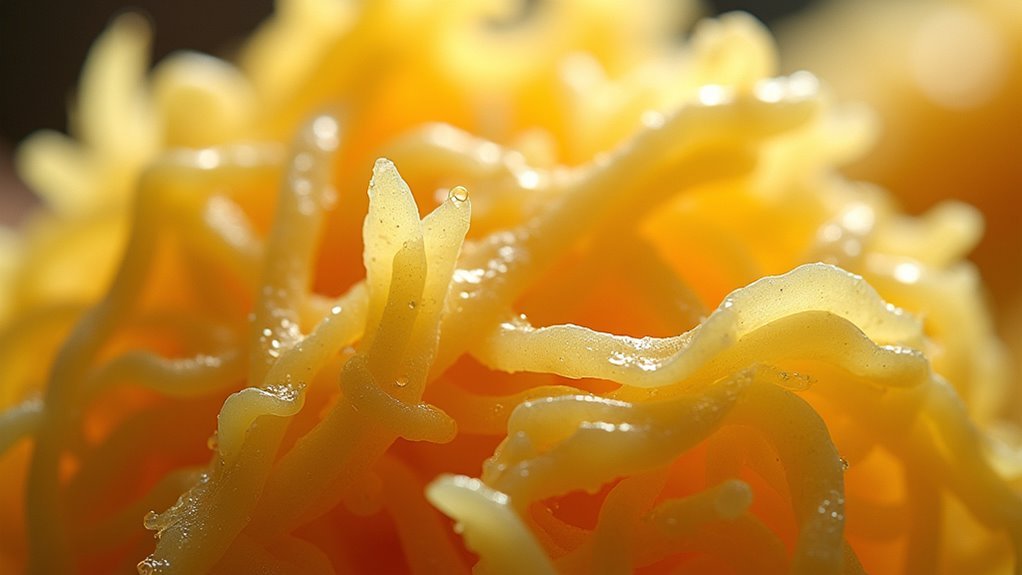
Since fermentation fundamentally performs the first stage of digestion before food even reaches your mouth, your digestive system can work more efficiently with less strain.
When you consume fermented foods like sauerkraut, you’re getting pre-digested nutrients that require minimal processing effort. The lacto-fermentation process breaks down complex carbohydrates and fibers into simpler forms while beneficial bacteria produce digestive enzymes that pre-digest proteins and fats.
These probiotics don’t just enhance nutrient absorption—they actively reduce your gut’s workload by handling digestion beforehand. This efficiency translates to improved digestion and fewer symptoms of gastrointestinal discomfort.
Probiotics work as digestive assistants, pre-processing nutrients to minimize gut strain and boost absorption efficiency while reducing discomfort.
Your body can focus energy on absorption rather than breaking down nutrients, making fermented cabbage an ideal choice for digestive wellness.
Frequently Asked Questions
Why Do I Feel Better After Eating Sauerkraut?
You’re feeling better because sauerkraut’s probiotics boost your gut’s beneficial bacteria, while its digestive enzymes help you break down food more efficiently, reducing bloating and improving nutrient absorption throughout your system.
How Do You Increase Digestive Enzymes in Your Gut?
You can increase digestive enzymes by eating probiotic-rich foods, staying hydrated, chewing thoroughly, managing stress, getting adequate sleep, exercising regularly, and avoiding processed foods that strain your digestive system.
Does Cabbage Have Digestive Enzymes?
Yes, you’ll find that cabbage contains digestive enzymes like myrosinase, which breaks down beneficial compounds. When you ferment cabbage, you’re actually increasing these enzymes considerably, making it much easier to digest.
Can You Eat Fermented Cabbage Every Day?
You can eat fermented cabbage daily since it’ll enhance your digestive health through probiotics and fiber. However, you should monitor your sodium intake due to its high salt content, especially with dietary restrictions.


