
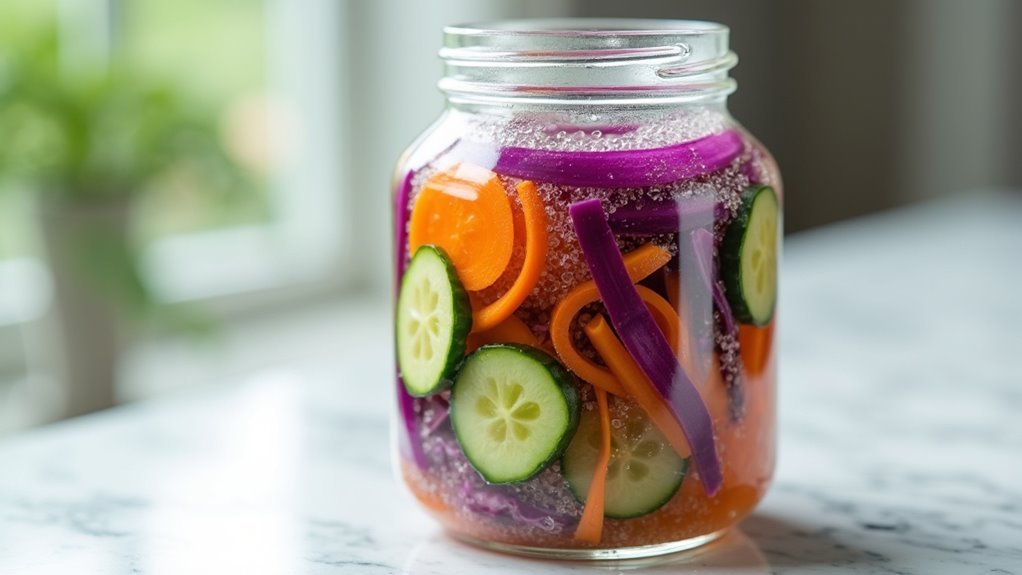
You can naturally heal IBS symptoms by incorporating probiotic vegetables like sauerkraut, kimchi, and fermented pickles into your diet. These fermented foods introduce beneficial bacteria such as Lactobacillus and Bifidobacterium that restore your gut microbiome balance and reduce inflammation. Start with small servings of one tablespoon, gradually increasing to 1/4-1/2 cup daily. Consume these probiotic-rich vegetables 3-5 times weekly for at least four weeks to experience significant improvements in bloating and abdominal pain through enhanced digestive harmony.
Understanding IBS and Its Impact on Digestive Health
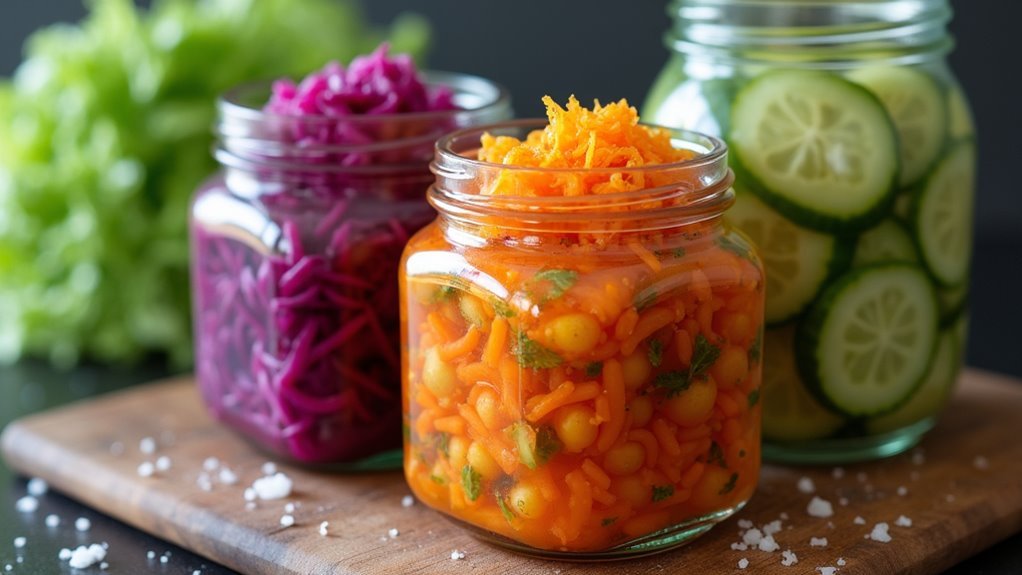
While millions of people worldwide struggle with digestive discomfort, Irritable Bowel Syndrome (IBS) stands out as one of the most common and challenging gastrointestinal disorders, affecting between 7–21% of the global population.
You’re likely experiencing symptoms like abdominal pain, bloating, diarrhea, or constipation if you have IBS. The condition’s exact cause remains unknown, but it’s closely linked to disrupted gut flora caused by diet, stress, and infections.
IBS symptoms include abdominal pain, bloating, and digestive irregularities, with causes linked to gut flora disruption from diet and stress.
Your digestive health depends heavily on maintaining balanced intestinal microbiota. If you have IBS, you typically have lower levels of beneficial bacteria like Lactobacillus and Bifidobacterium.
This imbalance greatly impacts your overall well-being. Fortunately, incorporating probiotics into your diet can help restore gut balance and improve your digestive health naturally.
The Science Behind Probiotic Vegetables and Gut Bacteria
When you consume probiotic vegetables like sauerkraut and kimchi, you’re introducing beneficial bacterial strains such as Lactobacillus and Bifidobacterium that actively work to restore your gut microbiota balance.
These live bacteria don’t just populate your intestines—they produce anti-inflammatory compounds that can reduce the chronic inflammation often associated with IBS symptoms.
Your gut’s bacterial ecosystem becomes more diverse and stable as these probiotic strains crowd out harmful bacteria and strengthen your intestinal barrier function.
Bacterial Strain Mechanisms
As probiotic vegetables undergo fermentation, they develop powerful bacterial ecosystems that directly target the root causes of IBS symptoms.
These beneficial bacterial strain populations work through multiple mechanisms to restore your digestive balance.
Specific probiotics like Lactobacillus plantarum actively combat the inflammation and pain that characterize your IBS symptoms.
Here’s how these bacterial mechanisms work:
- SCFA Production – Lactobacillus and Bifidobacterium strains produce short-chain fatty acids that reduce gut inflammation and promote healing.
- Barrier Strengthening – These bacteria enhance your intestinal wall integrity, preventing harmful substances from triggering IBS flare-ups.
- Pain Reduction – Targeted strains directly address abdominal pain and bloating through specialized metabolic processes.
- Gut-Brain Modulation – Beneficial bacteria produce neurotransmitters that help manage stress-related IBS triggers.
Gut Microbiota Balance
Because your gut houses trillions of microorganisms that form a complex ecosystem, maintaining the right balance between beneficial and harmful bacteria becomes essential for managing IBS symptoms effectively.
When your gut microbiota balance is disrupted, it directly contributes to the uncomfortable symptoms you experience, including bloating, gas, and abdominal pain.
Probiotic vegetables like sauerkraut and kimchi deliver specific bacterial strains that actively restore this delicate equilibrium.
The probiotics for IBS found in these fermented foods work by inhibiting harmful bacteria while reducing inflammation throughout your digestive tract.
Research demonstrates that Lactobacillus and Bifidobacterium strains enhance your intestinal barrier function and improve nutrient absorption.
These beneficial bacteria create an environment where your gut can heal naturally, leading to significant symptom improvements over time.
Anti-inflammatory Probiotic Effects
Since inflammation plays a central role in IBS symptom development, the anti-inflammatory properties of probiotic vegetables offer powerful therapeutic benefits for your digestive health.
These fermented foods contain specific bacterial strains that actively combat gut inflammation while strengthening your intestinal barrier function.
The anti-inflammatory effects of probiotics from fermented vegetables work through multiple mechanisms:
- Cytokine regulation – Lactobacillus and Bifidobacterium strains reduce pro-inflammatory cytokine production
- Gut barrier enhancement – Probiotics strengthen intestinal wall integrity, preventing inflammatory triggers
- Harmful bacteria inhibition – Beneficial bacteria crowd out pathogenic microorganisms that cause inflammation
- Immune system modulation – Probiotic strains help balance your immune response in the digestive tract
This thorough anti-inflammatory action explains why consuming sauerkraut and kimchi can greatly improve your IBS symptoms, including reduced bloating, abdominal pain, and irregular bowel movements.
How Fermented Foods Support Intestinal Microbiome Balance
When you consume fermented foods like sauerkraut, kimchi, and yogurt, you’re introducing live probiotics directly into your digestive system, where they work to restore balance to your intestinal microbiome. These beneficial bacteria, particularly Lactobacillus and Bifidobacterium strains, are typically depleted in IBS sufferers.
| Fermented Food | Key Probiotic Strain | IBS Benefit |
|---|---|---|
| Sauerkraut | Lactobacillus plantarum | Reduces bloating |
| Kimchi | Lactobacillus brevis | Decreases inflammation |
| Kefir | Bifidobacterium longum | Improves gut barrier |
| Miso | Lactobacillus acidophilus | Enhances digestion |
| Tempeh | Bacillus subtilis | Supports immune function |
Regular consumption diversifies your gut flora, strengthening your intestinal barrier function and reducing inflammation. This enhanced microbiome balance directly translates to fewer IBS symptoms like abdominal pain and digestive discomfort, making fermented foods essential for your gut health recovery.
Top Probiotic Vegetables for IBS Symptom Relief
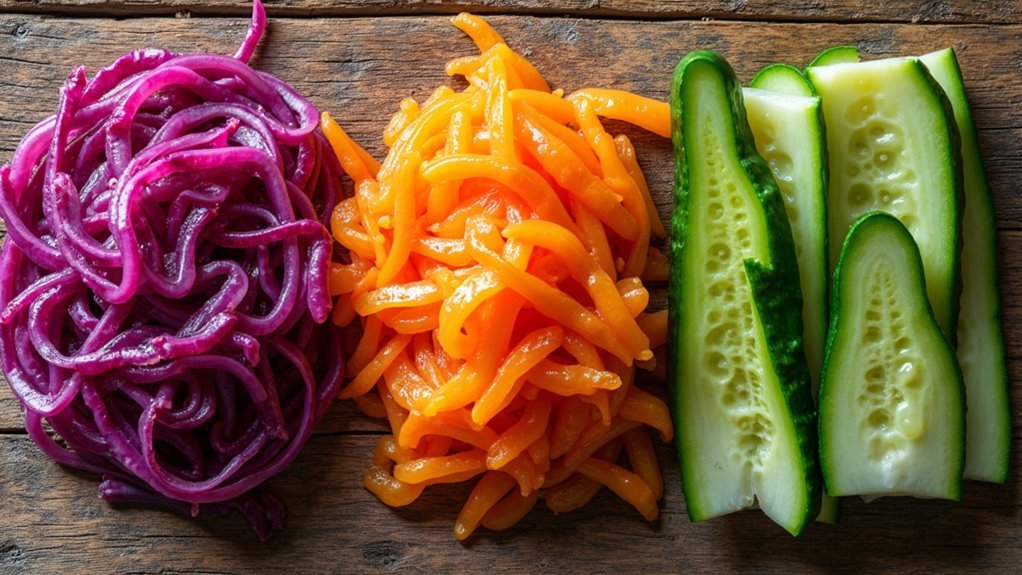
Building on this foundation of microbiome restoration, certain probiotic vegetables stand out as particularly effective for managing IBS symptoms. These fermented powerhouses deliver beneficial good bacteria directly to your digestive system while providing essential nutrients your gut needs to heal.
The top probiotic vegetables for IBS relief include:
- Sauerkraut – Rich in Lactobacillus plantarum, which specifically reduces abdominal pain and bloating.
- Kimchi – Contains diverse bacterial strains that restore gut flora balance and improve digestion.
- Fermented pickles – Provide digestive enzymes and probiotics that enhance nutrient absorption.
- Fermented beets – Deliver fiber and beneficial bacteria that promote regular bowel movements.
You’ll find these probiotic vegetables offer enhanced digestibility through fermentation, making nutrients more bioavailable while supporting your microbiome’s diversity and resilience.
Kimchi: Korean Fermented Cabbage for Digestive Healing
You’ll discover that kimchi’s powerful Lactobacillus strains work actively to restore your gut flora balance while delivering essential probiotics directly to your digestive system.
The fermentation process transforms ordinary napa cabbage into a nutrient-dense superfood that increases vitamin bioavailability and creates prebiotic fibers your gut bacteria crave.
Kimchi’s anti-inflammatory ingredients like garlic and ginger can greatly reduce your intestinal inflammation and provide the symptomatic relief you need from IBS discomfort.
Kimchi’s Probiotic Strains
Although kimchi might seem like just another spicy side dish, this traditional Korean fermented cabbage packs a powerful punch of beneficial bacteria that can transform your digestive health.
The probiotics in kimchi specifically target IBS symptoms through specialized bacterial strains that restore your gut’s natural balance.
The key probiotic strains in kimchi include:
- Lactobacillus plantarum – Reduces bloating and abdominal pain while improving overall digestive function
- Lactobacillus brevis – Enhances immune response and helps manage stress-related gastrointestinal issues
- Leuconostoc mesenteroides – Supports bowel regularity and reduces intestinal inflammation
- Weissella species – Strengthens gut barrier function and promotes beneficial bacteria growth
These strains work synergistically with kimchi’s prebiotic fibers, creating an ideal environment for sustained digestive healing and long-term IBS symptom relief.
Anti-Inflammatory Cabbage Benefits
When chronic inflammation wreaks havoc on your digestive system, kimchi’s fermented cabbage provides targeted relief through powerful anti-inflammatory compounds that directly combat IBS-related gut inflammation.
The fermentation process transforms ordinary cabbage into a therapeutic food that actively reduces gastrointestinal inflammation while delivering beneficial probiotics to your gut.
You’ll experience significant health benefits as kimchi’s anti-inflammatory properties work alongside its probiotic content to heal your digestive tract.
The fermented cabbage contains enhanced bioactive compounds that weren’t present in the raw vegetable, making it particularly effective for soothing inflamed intestinal tissues.
Regular kimchi consumption helps decrease bloating and abdominal pain by addressing inflammation at its source.
This dual-action approach—combining anti-inflammatory effects with probiotic restoration—creates an ideal environment for digestive healing and long-term IBS symptom management.
Fermentation Process Advantages
The fermentation process that creates kimchi’s anti-inflammatory compounds also produces several additional advantages that specifically target IBS symptoms.
During fermentation, beneficial bacteria transform raw cabbage into a powerful digestive healing food that goes beyond basic probiotic benefits.
The fermentation process enhances kimchi’s therapeutic potential through:
- Increased vitamin absorption – Fermentation boosts vitamins A, B, and C levels, supporting overall gut health and strengthening your intestinal barrier function.
- Enhanced probiotic diversity – Multiple Lactobacillus strains develop naturally, creating a more extensive approach to restoring your gut flora balance.
- Prebiotic fiber development – Fermentation creates specialized fibers that feed beneficial bacteria, promoting sustained digestive improvement.
- Reduced inflammation markers – The process generates compounds that actively combat IBS-related inflammation while improving bowel movement frequency.
Sauerkraut’s Role in Reducing Abdominal Pain and Bloating
Since sauerkraut contains high concentrations of beneficial Lactobacillus strains, it directly targets the gut flora imbalances that trigger your IBS symptoms.
These probiotics work by restoring healthy bacteria populations in your digestive system, which greatly reduces both abdominal pain frequency and severity. You’ll notice less cramping as the live bacteria improve your digestion efficiency and decrease harmful gas production that causes bloating.
The fermentation process enhances sauerkraut’s nutritional value, adding vitamins C and K that further support your gut health.
The fermentation process naturally boosts sauerkraut’s vitamin C and K content, providing additional digestive support for optimal gut function.
Research consistently shows that regular sauerkraut consumption leads to measurable symptom improvements within just weeks.
As a low-cost, safe treatment option, you can easily incorporate this fermented vegetable into your daily meals to naturally manage your IBS discomfort without relying solely on medications.
Fermented Pickles and Their Anti-Inflammatory Properties
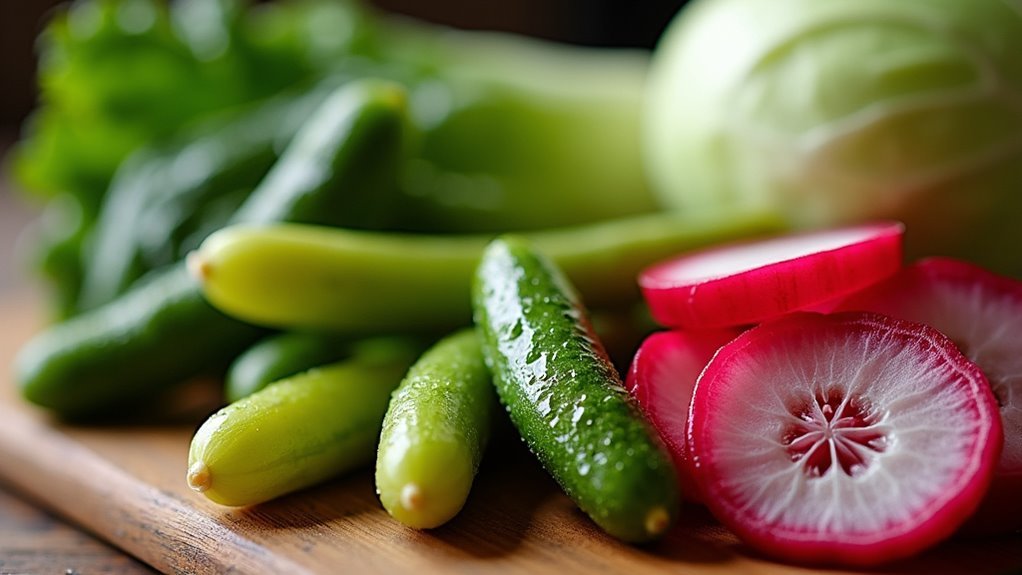
You’ll find that fermented pickles undergo a natural transformation process that greatly amplifies their anti-inflammatory benefits for your digestive system.
The fermentation breaks down compounds in cucumbers while introducing beneficial bacteria that actively combat inflammation in your gut lining.
This process creates a powerful combination of probiotics and anti-inflammatory compounds that can help reduce the painful swelling and irritation common in IBS.
Pickle Fermentation Process
When cucumbers undergo fermentation in a saltwater brine, they transform into powerful probiotic foods that can greatly benefit your digestive health. This natural process encourages beneficial bacteria like Lactobacillus to flourish, producing lactic acid that preserves the pickles while creating gut-healing compounds.
The fermentation process delivers multiple benefits for IBS management:
- Probiotic Development – Beneficial bacteria multiply during fermentation, creating live cultures that restore your gut flora balance.
- Lactic Acid Production – This natural acid helps preserve the pickles while supporting healthy digestion.
- Enhanced Anti-inflammatory Properties – Fermented pickles reduce gut inflammation that’s often linked to abdominal pain.
- Increased Fiber Content – The process maintains dietary fiber that regulates bowel movements and improves overall digestive function.
Reducing Gut Inflammation
Chronic inflammation in your digestive tract creates a cascade of uncomfortable IBS symptoms, but fermented pickles offer a natural solution through their powerful anti-inflammatory compounds.
When you consume these probiotic-rich vegetables, you’re introducing beneficial bacteria that actively restore your gut’s microbial balance. The fermentation process produces lactic acid, which directly targets gut inflammation while inhibiting harmful bacterial growth.
These probiotics strengthen your intestinal lining and increase microbiota diversity, leading to improved immune function throughout your digestive system.
You’ll notice reduced bloating and abdominal pain as the anti-inflammatory effects take hold. Regular consumption helps maintain this protective barrier against IBS flare-ups.
Miso and Tempeh: Plant-Based Probiotics for Gut Health
While many people reach for dairy-based probiotics to support their digestive health, miso and tempeh offer powerful plant-based alternatives that can greatly benefit those managing IBS symptoms.
These fermented soybean products contain beneficial bacteria, particularly Lactobacillus, which helps balance your gut microbiota and reduce bloating and abdominal pain.
- Miso’s probiotic content actively restores microbial balance often disrupted in IBS patients.
- Tempeh provides essential nutrients including vitamins and protein while supporting digestive wellness.
- Regular consumption of these fermented foods may decrease IBS flare-up frequency.
- Enhanced gut flora diversity leads to improved symptom relief and better quality of life.
Incorporating miso and tempeh into your balanced diet creates a foundation for sustained digestive health improvement.
The Fiber Connection: How Vegetables Enhance Probiotic Benefits
Beyond the probiotic power of fermented foods like miso and tempeh, the fiber content in vegetables creates a synergistic effect that amplifies digestive benefits for IBS management.
When you consume fiber-rich vegetables like carrots and peas, you’re providing essential fuel for beneficial gut bacteria, making probiotics more effective. This dietary fiber promotes regular bowel movements and alleviates constipation, a troublesome IBS symptom you’ve likely experienced.
Fermented vegetables offer dual benefits—they contain live probiotics while retaining their fiber content, helping reduce bloating and gas.
Fermented vegetables deliver a powerful one-two punch: live probiotics plus natural fiber to combat uncomfortable IBS symptoms.
You’ll find that increasing your vegetable fiber intake decreases IBS flare-ups by supporting balanced gut microbiota. Eating diverse fiber-rich vegetables cultivates a more varied microbiome, leading to better digestive health and significant symptom relief.
Optimal Serving Sizes and Frequency for Maximum Relief
Three key factors determine how effectively probiotic vegetables can manage your IBS symptoms: serving size, frequency, and gradual introduction.
You’ll want to consume probiotic-rich fermented vegetables like sauerkraut and kimchi in specific amounts to maximize relief without triggering discomfort.
Here’s your ideal consumption strategy:
- Start small: Begin with 1 tablespoon portions and gradually increase to prevent digestive upset.
- Target serving sizes: Aim for 1/4 to 1/2 cup daily once you’ve adjusted to smaller amounts.
- Maintain consistency: Consume fermented vegetables 3-5 times per week for sustained gut health benefits.
- Commit long-term: Continue this routine for at least 4 weeks to experience noticeable improvements in bloating and abdominal pain.
Incorporating variety in your fermented vegetables ensures diverse probiotic strains for enhanced symptom relief.
Combining Probiotic Vegetables With Other Natural IBS Treatments
When you pair probiotic vegetables with complementary natural treatments, you’ll create a powerful synergy that targets multiple IBS triggers simultaneously. Adding peppermint oil and ginger to your routine enhances the antispasmodic benefits of fermented sauerkraut and kimchi, reducing abdominal pain while beneficial bacteria restore gut balance.
| Natural Treatment | Synergistic Effect with Probiotic Vegetables |
|---|---|
| Fiber-rich fruits/grains | Enhanced bowel regularity and digestive health |
| Prebiotic foods (garlic/onions) | Increased beneficial bacteria growth |
| Stress management techniques | Reduced IBS flare-up frequency |
Your digestive health improves considerably when you combine probiotic vegetables with prebiotic foods, creating a synbiotic effect that promotes ideal gut function. This thorough approach addresses IBS symptoms more effectively than using single treatments alone.
Creating Your Personal Fermented Vegetable Treatment Plan
Since each person’s digestive system responds differently to probiotic vegetables, you’ll need to develop a customized treatment plan that identifies your ideal fermented foods and serving sizes.
Start building your personalized approach by testing probiotic-rich options like sauerkraut and kimchi in small portions. Monitor how your body reacts to different varieties, as each contains unique bacterial strains that may address specific IBS symptoms differently.
- Begin with quarter-cup servings of one fermented vegetable type, increasing gradually over two weeks.
- Maintain a detailed food diary tracking symptoms, timing, and specific vegetables consumed.
- Rotate between different probiotic-rich varieties weekly to identify your most effective options.
- Combine successful fermented vegetables with increased fiber and hydration for enhanced digestive support.
This systematic approach helps you create an effective, personalized treatment strategy.
Frequently Asked Questions
Can You Heal IBS With Probiotics?
You can’t completely heal IBS with probiotics, but they’ll likely improve your symptoms. Specific strains like L. plantarum reduce abdominal pain and bloating. You’ll need at least four weeks to assess their effectiveness.
How Can I Heal My IBS Naturally?
You can naturally heal IBS by incorporating probiotic-rich vegetables like sauerkraut and kimchi into your diet. They’ll restore beneficial gut bacteria, reduce inflammation, and improve digestion while alleviating abdominal pain and bloating symptoms.
Are Fermented Vegetables Good for IBS?
Yes, fermented vegetables are excellent for IBS. You’ll benefit from their probiotics, which restore gut bacteria balance, reduce bloating, and improve digestion. They’re easier to digest and provide anti-inflammatory benefits that naturally heal symptoms.
What Is the Best Vegetable for IBS?
You’ll find sauerkraut’s the best vegetable for IBS since it’s packed with probiotics that restore gut balance and reduce bloating. It’s easily digestible and contains beneficial bacteria that’ll improve your overall digestive health naturally.


