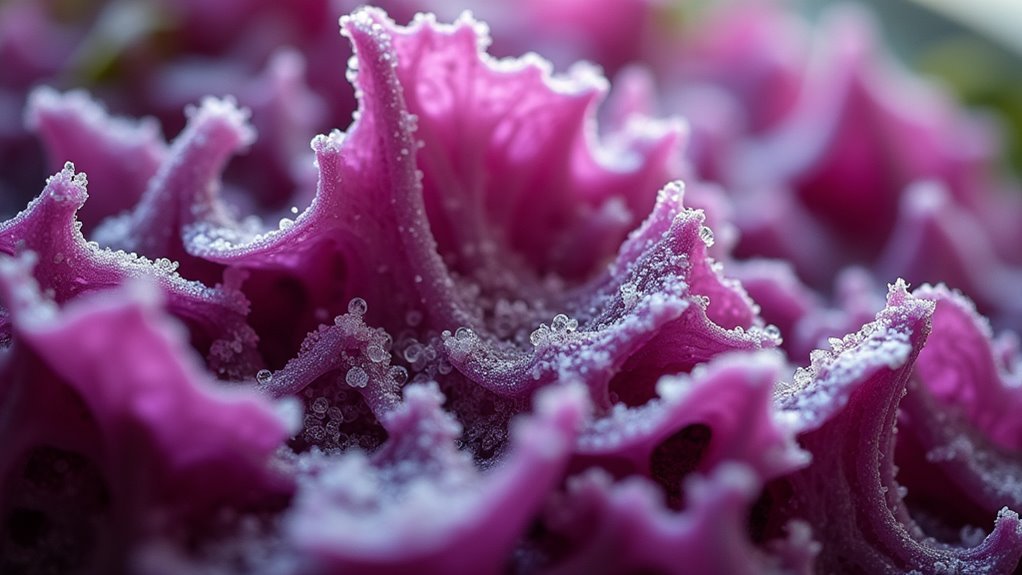
Fermented vegetables heal your leaky gut by introducing live probiotics that restore your microbiome balance and strengthen your intestinal barrier. These beneficial bacteria produce short-chain fatty acids that repair damaged tight junctions while outcompeting harmful pathogens for space and resources. The fermentation process also enhances nutrient bioavailability, giving your gut lining the building blocks it needs for tissue regeneration. Understanding the specific mechanisms and choosing the right fermented foods will maximize your healing potential.
Understanding Leaky Gut Syndrome and Its Impact on Health
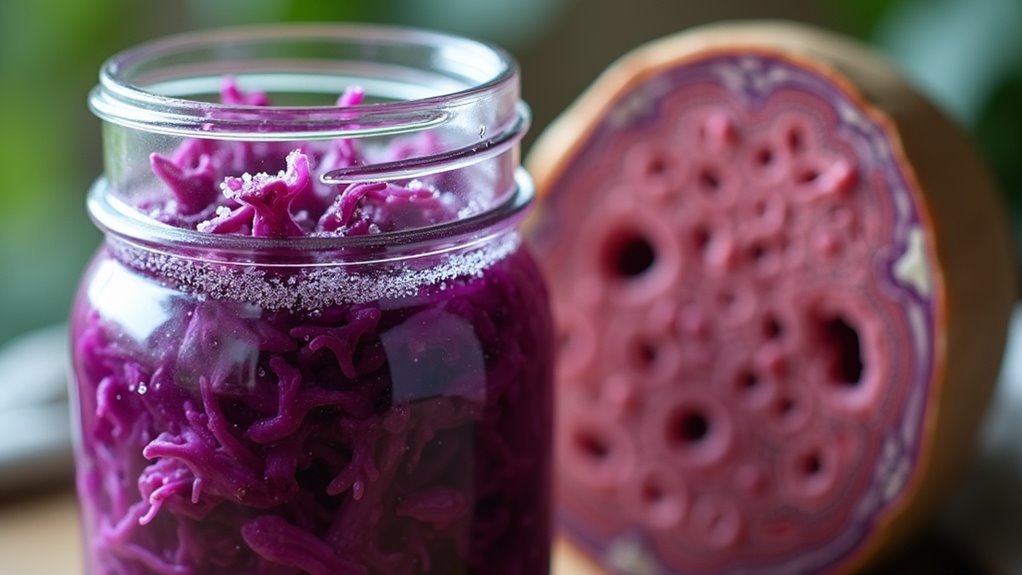
When your gut lining becomes compromised, leaky gut syndrome develops as the tight junctions that normally act as gatekeepers deteriorate, allowing harmful toxins and undigested food particles to slip through into your bloodstream.
When tight junctions deteriorate, harmful toxins and undigested particles breach your gut lining and enter your bloodstream.
This breach triggers widespread inflammation throughout your body, manifesting as bloating, gas, food sensitivities, and chronic fatigue that can derail your daily life.
Your gut microbiome plays an essential role in preventing this damage. When beneficial bacteria populations decline, your intestinal barrier weakens considerably.
Research shows elevated zonulin levels correlate with increased gut permeability and reduced healthy bacteria concentrations.
Strategic dietary changes, particularly incorporating fermented vegetables rich in probiotics, can restore your gut health by replenishing beneficial bacteria that strengthen intestinal walls and reduce inflammation naturally.
The Science Behind Fermentation and Probiotic Development
As beneficial bacteria and yeasts consume sugars in vegetables, fermentation transforms ordinary produce into probiotic powerhouses that directly combat leaky gut syndrome.
This natural process creates live microorganisms that restore your gut microbiota balance while enhancing nutrient absorption.
The fermentation process delivers multiple healing mechanisms:
- Probiotic multiplication – Beneficial bacteria colonies expand exponentially, overwhelming harmful pathogens in your digestive system.
- Enhanced bioavailability – Fermentation pre-digests nutrients, making them easier for your compromised gut to absorb.
- SCFA production – Short-chain fatty acids strengthen your intestinal barrier and reduce inflammation.
- Increased microbial diversity – Different bacterial strains work synergistically to improve overall digestive health.
You’re fundamentally consuming a targeted therapeutic intervention that addresses leaky gut syndrome at the cellular level through natural biological processes.
How Fermented Vegetables Restore Gut Microbiome Balance
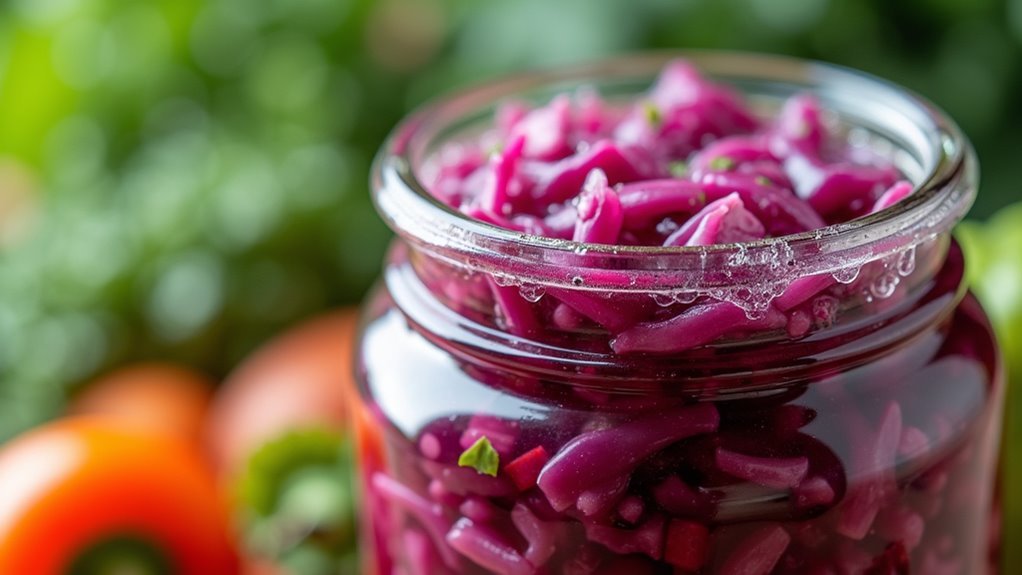
Your gut microbiome depends on a delicate ecosystem where beneficial bacteria must outnumber harmful pathogens to maintain ideal digestive health.
When you consume fermented vegetables, you’re introducing live probiotics that actively restore this vital balance. These beneficial microorganisms increase your gut’s microbial diversity, which directly strengthens immune function and reduces inflammation associated with leaky gut syndrome.
The probiotics in fermented vegetables don’t just add good bacteria—they actively outcompete harmful pathogens for resources and space in your digestive tract.
This competitive advantage creates a healthier gut environment that supports proper nutrient absorption. As your microbiome becomes more balanced, your gut barrier function improves considerably, preventing the increased intestinal permeability that characterizes leaky gut syndrome and promoting lasting digestive health.
Key Mechanisms of Intestinal Barrier Repair Through Fermentation
Since fermented vegetables trigger several distinct biological pathways that directly rebuild your intestinal barrier, understanding these mechanisms reveals why they’re so effective against leaky gut syndrome.
The probiotics in fermented vegetables work through these key repair mechanisms:
- SCFA Production – Fermentation creates butyrate and other short-chain fatty acids that strengthen your intestinal barrier walls and reduce gut permeability directly.
- Inflammation Control – These probiotics modulate your immune response, lowering inflammatory markers like interleukin-6 that damage barrier function.
- Enhanced Nutrient Bioavailability – Fermentation increases absorption of vitamins and minerals essential for intestinal tissue repair and regeneration.
- Microbiome Restoration – Beneficial bacteria establish protective colonies that crowd out harmful pathogens, creating ideal conditions for gut health recovery.
Best Fermented Vegetables for Optimal Gut Healing
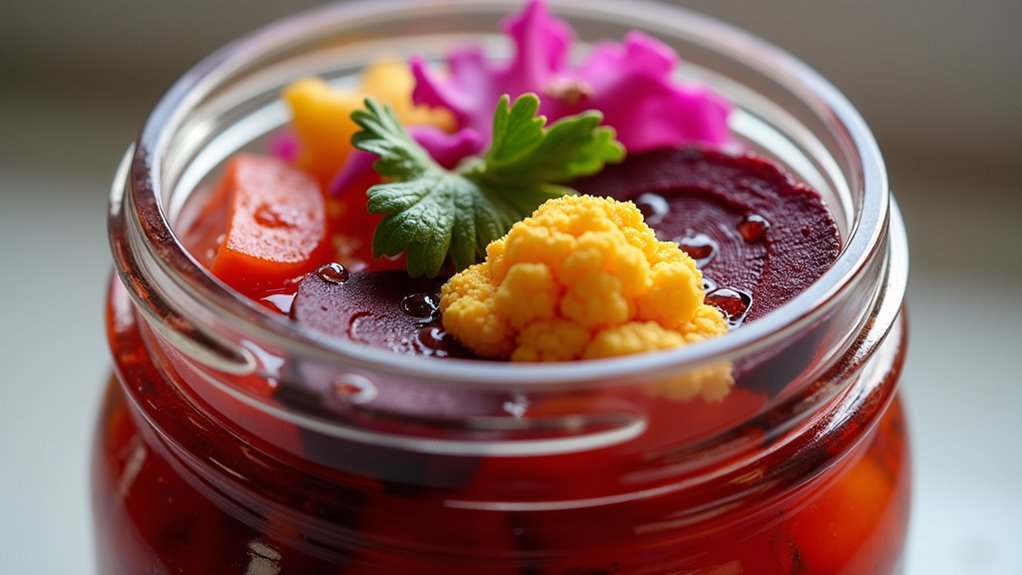
Three powerhouse fermented vegetables stand out as the most effective options for healing leaky gut: sauerkraut, kimchi, and fermented beets.
Sauerkraut delivers high concentrations of probiotics, particularly Lactobacillus strains that strengthen your intestinal barrier and reduce digestive discomfort.
Kimchi combines multiple vegetables with spices, creating diverse probiotic cultures that boost microbial diversity more effectively than single-strain supplements.
Fermented beets provide unique nitrates alongside beneficial bacteria, enhancing both gut health and circulation.
You’ll maximize health benefits by rotating between these fermented vegetables daily.
Each variety offers distinct probiotic profiles that target different aspects of leaky gut repair.
Start with small portions to allow your digestive system to adapt, then gradually increase intake.
This approach optimizes nutrient absorption while minimizing potential initial bloating as your gut microbiome rebalances.
Frequently Asked Questions
Do Fermented Foods Heal Leaky Gut?
You’ll find fermented foods can help heal leaky gut by increasing beneficial gut bacteria, reducing inflammation, and strengthening your intestinal barrier through probiotics and short-chain fatty acids they produce.
How Do Fermented Foods Heal the Gut?
You’ll restore your gut’s bacterial balance when you consume fermented foods. They’ll strengthen your intestinal barrier by regulating zonulin protein, reducing inflammation, and enhancing nutrient absorption while increasing beneficial microorganism diversity.
Is It OK to Eat Fermented Vegetables Everyday?
You can safely eat fermented vegetables daily since they’ll consistently supply beneficial probiotics that support gut health. However, you should monitor your body’s response and consult your healthcare provider if you experience adverse effects.
What Vegetables Heal Leaky Gut?
You’ll benefit from eating cabbage, carrots, beets, and radishes when fermented. These vegetables become powerful gut healers through fermentation, providing probiotics and nutrients that repair your intestinal lining and reduce inflammation effectively.


