

You’ll discover that leafy greens like spinach, kale, and Swiss chard act as nature’s powerful medicine, packed with essential vitamins A, C, K, and folate that support immune function, brain health, and tissue repair. These nutrient-dense vegetables provide antioxidants that combat inflammation, while their fiber content promotes digestive wellness and helps your body recover from surgery or illness. The minerals iron, calcium, and magnesium enhance metabolism and muscle function, making these greens essential for ideal healing and long-term health benefits you can access.
The Nutritional Powerhouse: Essential Vitamins and Minerals in Leafy Greens

While many people view leafy greens as mere salad fillers, these vibrant vegetables pack an extraordinary nutritional punch that rivals any supplement on the market.
You’re getting vitamin A for healthy skin and robust immune function, plus vitamin K that’s essential for proper blood clotting and strong bones. Folate supports your brain’s neurotransmitter production, sharpening mental clarity and cognitive performance.
Leafy greens deliver vitamin A for immunity, vitamin K for bone strength, and folate for enhanced brain function and mental sharpness.
You’ll also receive vitamin C’s powerful antioxidant benefits, which boost collagen production for tissue repair while strengthening your immune response.
The mineral content is equally impressive – iron energizes your metabolism, calcium fortifies your bones, and magnesium optimizes muscle function.
These nutrients work synergistically, transforming simple greens into nature’s most thorough multivitamin that your body can actually absorb and utilize effectively.
Top Healing Leafy Greens and Their Unique Health Properties
You’ll discover that certain leafy greens excel as brain-boosting powerhouses, with kale and spinach leading the charge through their folate content that enhances neurotransmitter production and mood regulation.
These same greens, along with others like Swiss chard, also serve as digestive support champions by providing potassium that maintains ideal fluid balance and reduces uncomfortable bloating.
When you incorporate these specific varieties into your daily routine, you’re targeting both cognitive function and digestive wellness with nature’s most concentrated healing foods.
Brain-Boosting Green Powerhouses
When you reach for a handful of spinach or kale, you’re grabbing some of nature’s most potent brain medicine. Green leafy vegetables deliver extraordinary brain power through their concentrated nutrient profiles, potentially making you feel 11 years younger cognitively.
These powerhouses boost cognitive function through three key mechanisms:
- Folate production – Supports neurotransmitter synthesis for enhanced memory retention
- Antioxidants defense – Vitamins A, C, and E combat oxidative stress protecting against neurodegenerative diseases
- Mood enhancement – Magnesium and folate regulate hormones tied to mental well-being
Carotenoids in collard greens and Swiss chard provide anti-inflammatory protection against cognitive decline.
Meanwhile, potassium regulates blood pressure, improving circulation to your brain. You’re fundamentally feeding your mind premium fuel with every bite.
Digestive Support Champions
Your digestive system craves the fiber-rich foundation that leafy greens provide, transforming uncomfortable bloating and irregular bowel movements into smooth, effortless digestion.
Spinach and kale deliver essential fiber that promotes regular bowel movements while preventing constipation. You’ll benefit from their potassium content, which maintains ideal fluid balance and reduces bloating for enhanced digestive comfort.
These digestive support champions pack magnesium that guarantees proper muscle function, alleviating cramps and discomfort throughout your digestive tract.
Swiss chard and collard greens contain powerful phytonutrients that cultivate a thriving gut microbiome, directly improving your overall gut health.
The antioxidants in leafy greens, including vitamins A, C, and E, combat oxidative stress within your digestive system, creating the balanced, healthy environment your body needs for ideal digestion.
How Leafy Greens Support Post-Surgery Recovery and Tissue Repair

When you’re recovering from surgery, your body demands specific nutrients to rebuild damaged tissues and restore your health.
Leafy greens deliver essential vitamins A, C, E, and K that directly accelerate your tissue repair process while strengthening your immune system during this vulnerable time.
These powerhouse nutrients work together to enhance blood clotting, reduce inflammation, and give your body the building blocks it needs for ideal healing.
Essential Nutrients for Healing
Since your body demands extra nutritional support during post-surgery recovery, leafy greens deliver a powerhouse of essential nutrients that directly fuel the healing process.
These vitamin-rich vegetables contain vitamins A, C, E, and K, which work together to repair damaged tissues and strengthen your immune system when you need it most.
Here’s how key nutrients accelerate your recovery:
- Folate produces neurotransmitters that regulate mood and reduce stress
- Potassium maintains fluid balance and prevents uncomfortable bloating
- Fiber promotes healthy digestion and prevents medication-induced constipation
The antioxidants in leafy greens combat oxidative stress and inflammation throughout your body, while essential vitamins rebuild cellular structures.
Vitamins Accelerate Tissue Repair
Beyond providing general nutritional support, specific vitamins in leafy greens directly target and accelerate the tissue repair process your body desperately needs after surgery.
Vitamin A rebuilds damaged tissue and skin around incision sites, while vitamin K guarantees proper blood clotting for effective wound healing. You’ll find both nutrients abundantly in kale and spinach.
Vitamin C drives collagen synthesis, repairing tendons and ligaments damaged during surgical procedures. This protein rebuilding process determines how quickly you’ll regain strength and mobility.
Folate works at the cellular level, regenerating new cells to replace those lost during surgical trauma.
These vitamins don’t work in isolation—they create a synergistic effect that transforms leafy greens into powerful medicine for tissue repair and recovery.
Antioxidants in Dark Leafy Greens: Fighting Inflammation and Disease
As you bite into a handful of fresh spinach or kale, you’re consuming some of nature’s most powerful antioxidants that actively combat oxidative stress and inflammation throughout your body.
These dark leafy greens pack vitamins A, C, and E alongside carotenoids that directly target chronic diseases.
Dark leafy greens deliver a powerful combination of vitamins A, C, and E plus carotenoids that actively fight chronic disease.
Your body receives three key health benefits from these nutrient powerhouses:
- Free radical neutralization – Flavonoids and phenolic acids prevent cellular damage that leads to disease progression
- Enhanced inflammatory response – Natural compounds protect against autoimmune diseases and chronic inflammatory conditions
- Disease risk reduction – Regular consumption lowers your chances of developing cardiovascular diseases, diabetes, and obesity
You’re fundamentally eating medicine when you choose dark leafy greens, giving your body essential tools to fight inflammation and prevent serious health conditions naturally.
Maximizing Nutrient Absorption: Raw vs. Cooked Leafy Green Preparation
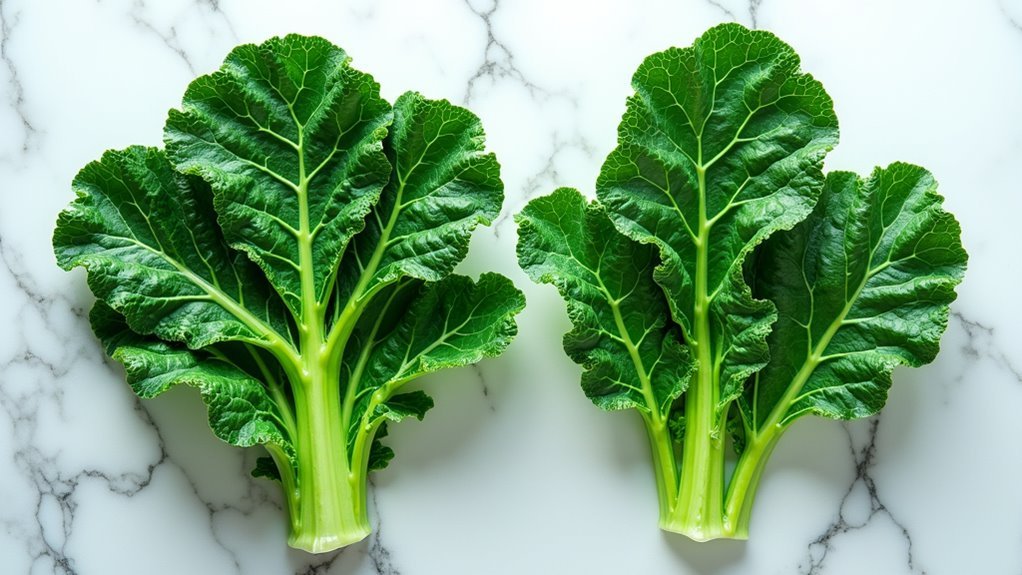
While you’ve discovered the incredible antioxidant power of dark leafy greens, how you prepare them dramatically affects which nutrients your body can actually absorb and use.
Raw leafy greens preserve maximum vitamin C, folate, and certain phytonutrients, making them perfect for salads and smoothies. However, cooking enhances nutrient absorption of carotenoids and vitamins A and K.
Steaming spinach and kale reduces oxalates that block calcium absorption while preserving water-soluble vitamins. Light cooking also increases iron and calcium availability for better blood and bone health.
Here’s your winning strategy: combine both raw and cooked preparations, and always pair leafy greens with healthy fats like olive oil or avocado to maximize fat-soluble vitamin absorption.
Leafy Greens for Digestive Health and Gut Healing
Optimizing nutrient absorption sets the foundation, but leafy greens offer even more profound benefits for your digestive system’s health and recovery.
These nutrient-dense powerhouses actively support gut healing through their rich vitamin content and powerful antioxidants that promote healthy inflammatory responses.
Your digestive health improves considerably when you incorporate leafy greens regularly:
- Fiber promotes regularity – High fiber content alleviates constipation and supports smooth bowel movements, especially vital after surgery or during digestive distress.
- Essential minerals restore balance – Magnesium and potassium enhance fluid balance, reducing bloating while improving overall gut function.
- Vitamins strengthen immunity – Vitamins A, C, and K bolster your immune system and repair gut lining damage.
Additionally, leafy greens foster a balanced gut microbiome, ensuring ideal digestion and nutrient absorption for long-term wellness.
Daily Serving Recommendations and Practical Ways to Increase Intake
Though digestive healing sets the stage for better health, maximizing these benefits requires meeting specific daily intake targets and finding creative ways to incorporate more leafy greens into your routine.
You’ll want to aim for 2-3 cups daily to achieve ideal health benefits from these nutritional powerhouse vegetables rich in vitamins A, C, and K, plus fiber.
Incorporate variety by rotating spinach, kale, and Swiss chard throughout your week, as each offers unique nutrient profiles.
Easily add them to your daily diet through smoothies, salads, soups, and stir-fries. Use dark greens as salad bases or wrap alternatives to replace higher-calorie ingredients.
Light cooking methods like steaming or sautéing enhance fat-soluble vitamin absorption while creating delicious, healthy meals.
Superfood Green Supplements vs. Whole Food Sources
As demand for convenient nutrition grows, many people find themselves choosing between superfood green supplements and whole food sources to meet their daily leafy green requirements. Superfood green supplements like Vitamineral Green™ offer concentrated antioxidants and nutrients in convenient forms, making them ideal for busy lifestyles.
However, whole food sources provide advantages that supplements can’t replicate.
Whole foods deliver natural synergies and complete nutritional profiles that even the most advanced supplements struggle to match.
Consider these key differences:
- Bioavailability: Whole foods contain complementary compounds that enhance nutrient absorption more effectively than isolated supplement forms.
- Complete nutrition: Kale and spinach deliver dietary fiber alongside vitamins, supporting digestive health and creating satiety.
- Balanced diet integration: Fresh greens encourage mindful eating habits while supplements serve specific nutritional gaps.
You’ll benefit most by prioritizing whole food sources while using supplements strategically for convenience or targeted needs.
Frequently Asked Questions
Does Balance of Nature Actually Work?
Balance of Nature’s effectiveness varies among users. You’ll find mixed reviews – some experience improved energy and digestion, while others notice no changes. Limited scientific studies mean you can’t guarantee results for your specific situation.
How Many Balance of Nature Pills Do You Take a Day?
You should take nine Balance of Nature pills daily – three Fruits, three Veggies, and three Fiber capsules. You can take them all together or spread throughout the day with water.
How Much Is the Balance of Nature per Month?
You’ll pay around $69.95 monthly for Balance of Nature’s regular pricing, but you can reduce costs to approximately $59.95 with their subscription service, plus they offer promotional discounts for new customers.
What Leafy Greens Have the Most Vitamins?
You’ll find the most vitamins in kale, spinach, and Swiss chard. They’re packed with vitamins A, C, K, and B vitamins, plus essential minerals like potassium and magnesium for ideal health.


